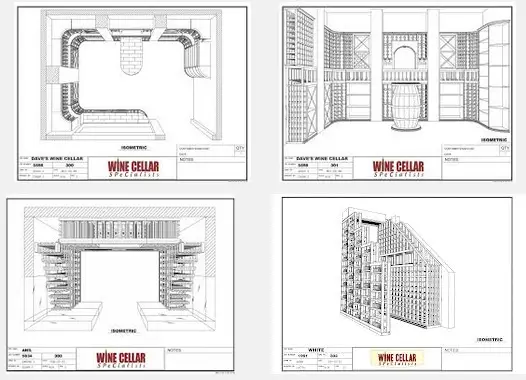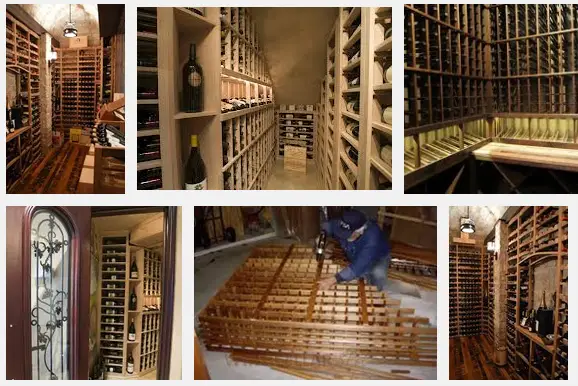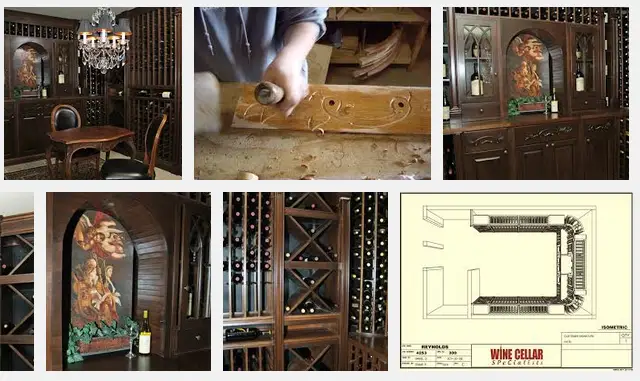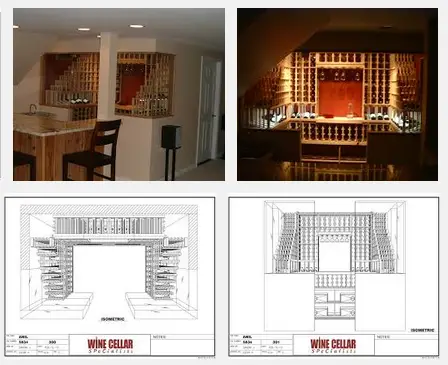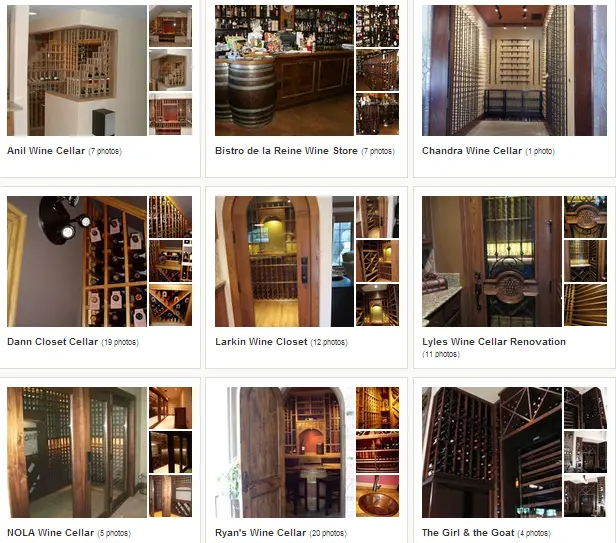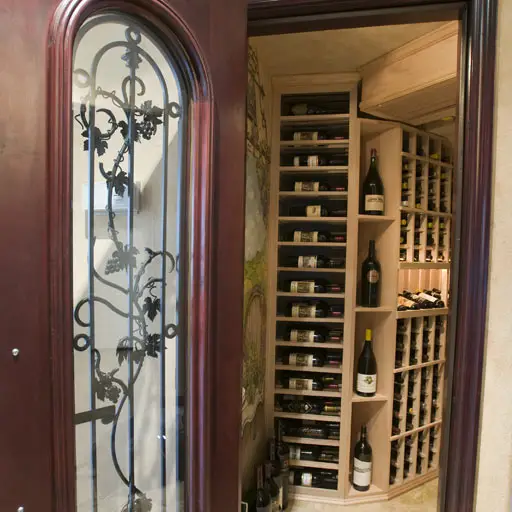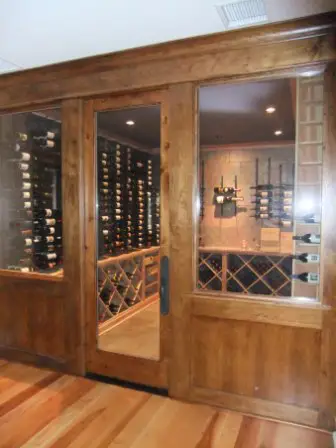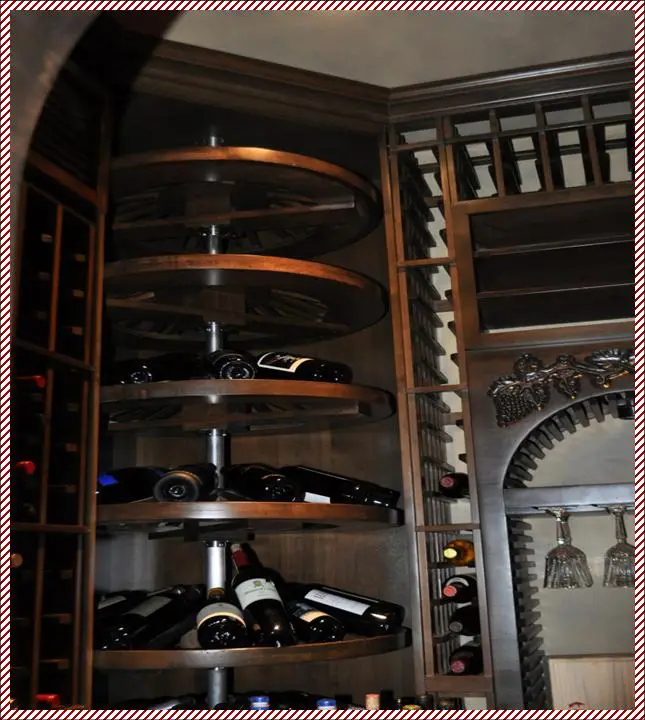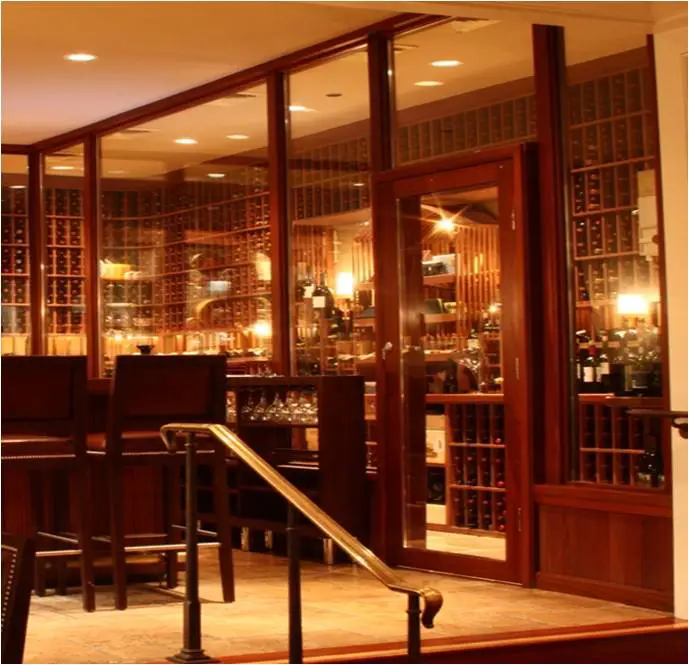
Wine Cellar SPeCialists Dallas Texas is the recent winner of Houzz’s 2013 “Best of Remodeling” Customer Satisfaction award. The Best of Houzz 2013 award is based on reviews and ratings conducted by Houzz’s more than 11 million monthly users.
The Best of Houzz 2013 award recognizes professionals who come up with unique and inspiring home designs, provide excellent customer service, and timely delivery of high quality results.
There are two categories to Houzz’s Best of Houzz awards: Customer Satisfaction and Design. The winners for the Customer Satisfaction category are rated by homeowners, based on their working experience with remodelers and designers. The works of Design awardees were favored by millions of Houzz users and were added to their personal ideabooks via the Houzz website or mobile apps.
The Houzz platform showcases different works of various top notch professionals like Wine Cellar SPeCialists Dallas in 360-degree imaging. These visuals give homeowners an opportunity to evaluate and determine which home improvement professionals best meet their design objectives. The platform also allows homeowners to interact directly with design professionals.
Best of Houzz 2013 is considered as the benchmark for exceptional renovation and interior decoration of residential structures. Professional images found on personal ideabooks of Houzzers (or Houzz users) serve as strong artistic influences and set a creative trend in the field of remodeling and design around the world.
A closer inspection of Houzz ideabooks will reveal the latest thing in residential decorating: a garage being converted into a home office or playspace; open showers with plenty of natural light and glass doors; outdoor spaces that are equipped with fireplaces and firepits; installing intricate wall treatments on entryways; and laundry rooms that feature stained glass and bold wallpapers to give the space a homey feel.
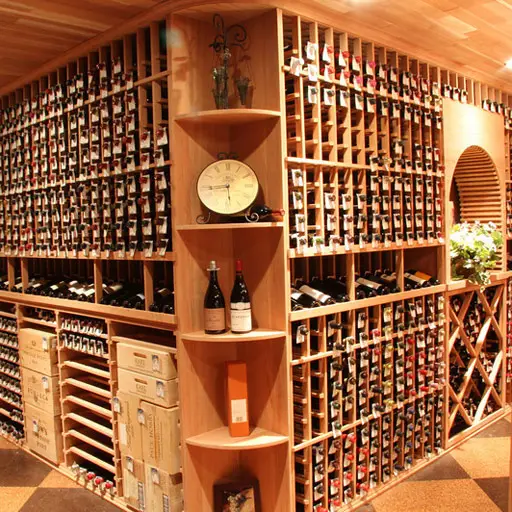
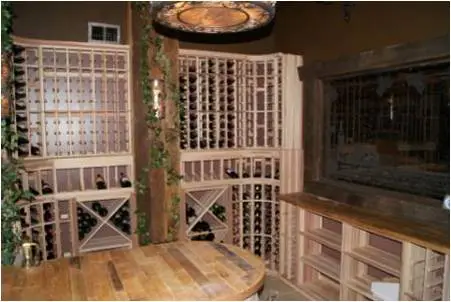
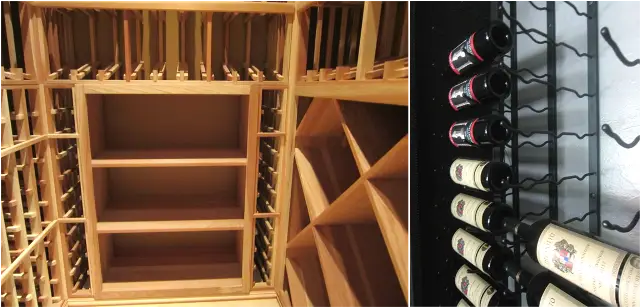
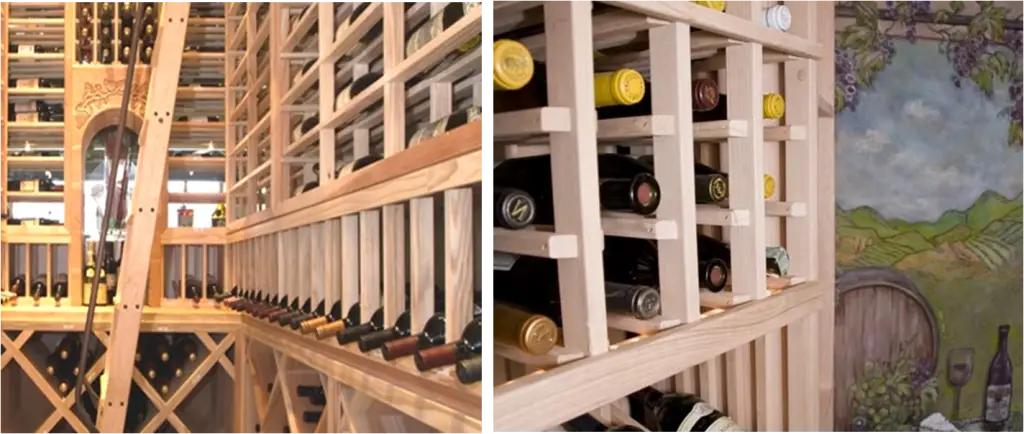
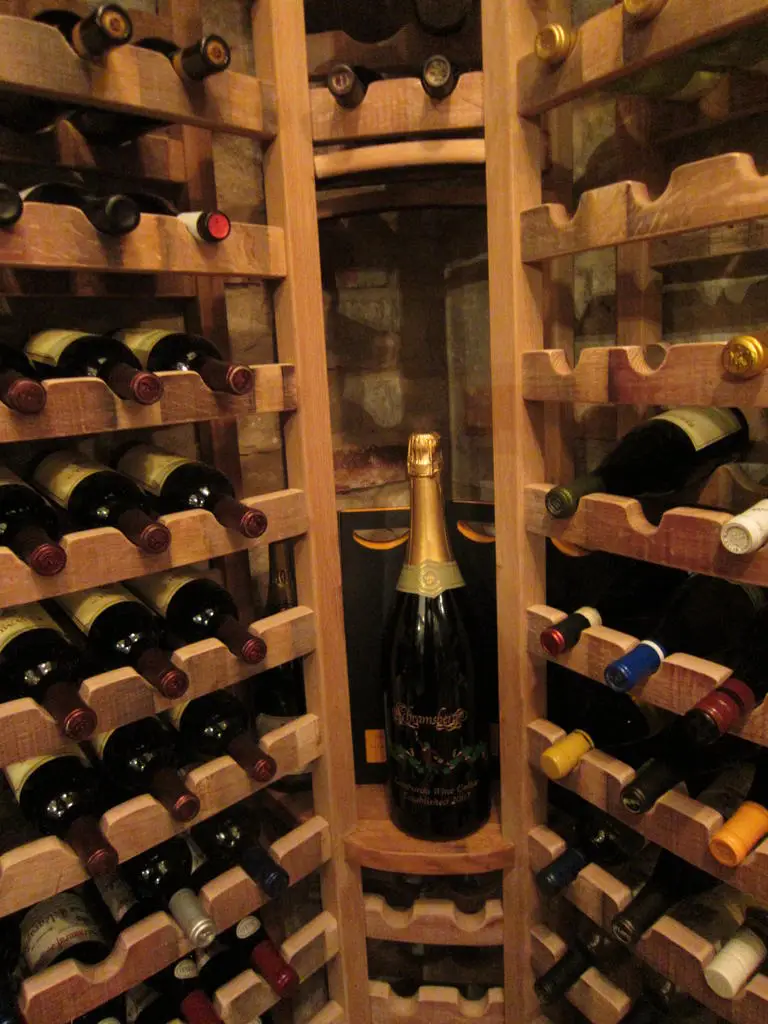
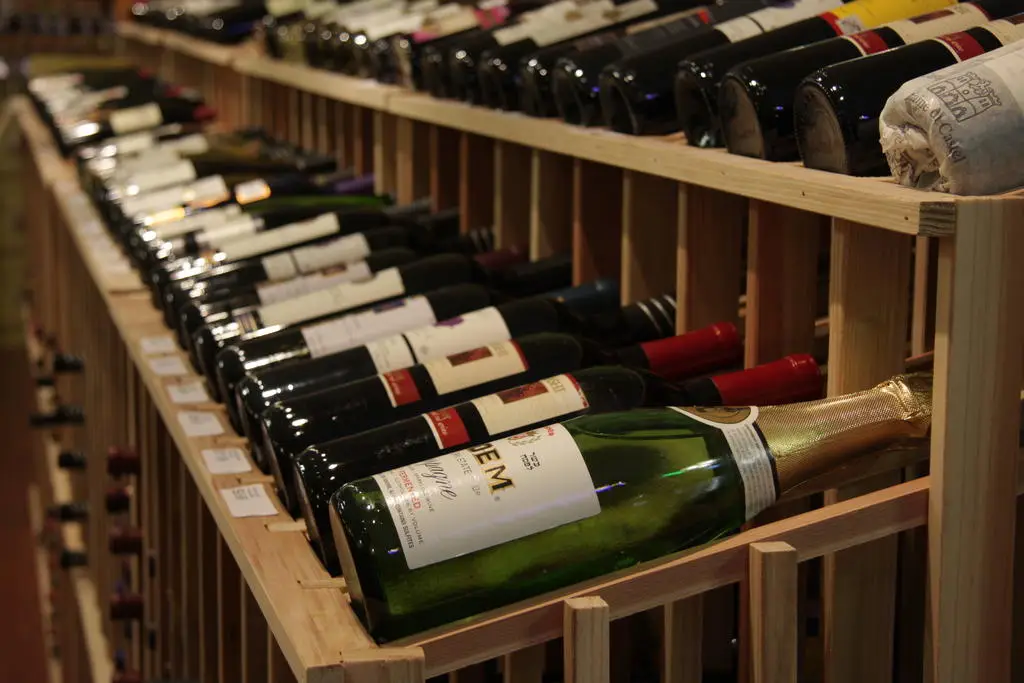
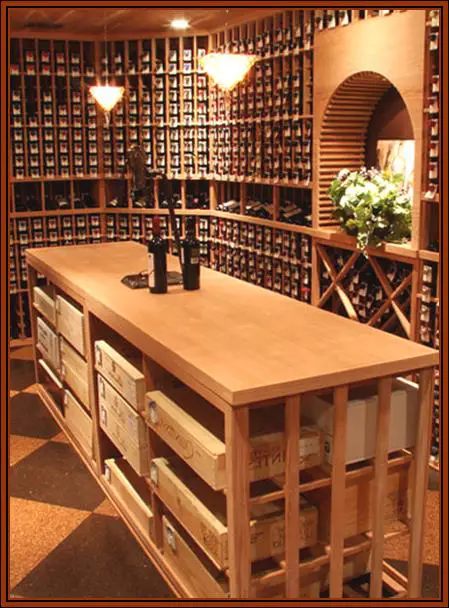
Wine Cellar SPeCialists Dallas is owned and founded by Nancy Noga. The company specializes in wine cellar design and wine cellar construction for residential and commercial properties. Wine Cellar SPeCialists Dallas provides design and consultation services, construction of custom wine racks, and installation of climate control wine cellar refrigeration, flooring, and cellar doors.
The company has years of experience in the custom wine cellars industry. Wine Cellar SPeCialists Dallas is committed to providing exceptional service and results to their clients. As a testament to their professional diligence, they have reaped awards and accolades over the years for their exquisite wine cellar design. Winning the Best of Houzz 2013 award is another added achievement under their belt.
Houzz was founded in 2009. It is an online photo database of more than one million professional images that aims to guide homeowners in building, renovating, and decorating their properties. They released an iPhone/iPad app as well as an Android version of the software. To date, Houzz has a list of 1.5 million residential remodeling professionals that can help transform dreams into reality which makes Wine Cellar SPeCialist one in 1.5 million!
Although there are various ways of storing your wine collection, wine cellars are considered the best storage solution. The controlled, secure environment of a wine cellar protects wines from the negative influences of light, temperature, and humidity. Storing wines under the right conditions is vital to preserving their taste and flavor over time.
In order for a wine cellar to achieve its maximum potential, there are several elements that need to be considered prior to its actual construction. First is to determine the size and location of the wine cellar. The size of your wine cellar depends on its intended purpose. Will it be solely used for wine storage or will it also serve as a venue for wine tasting parties?
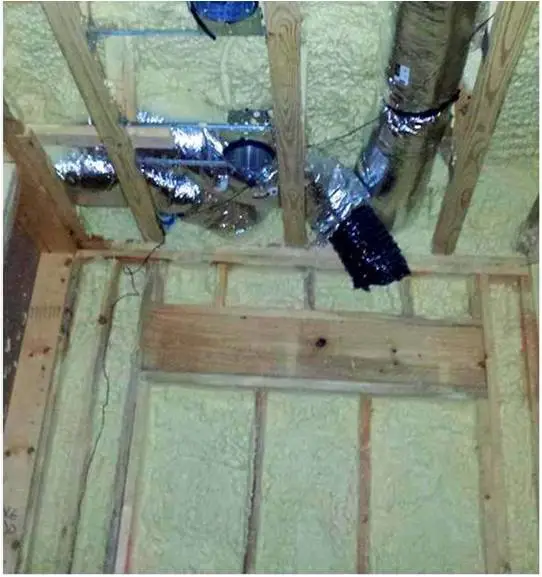
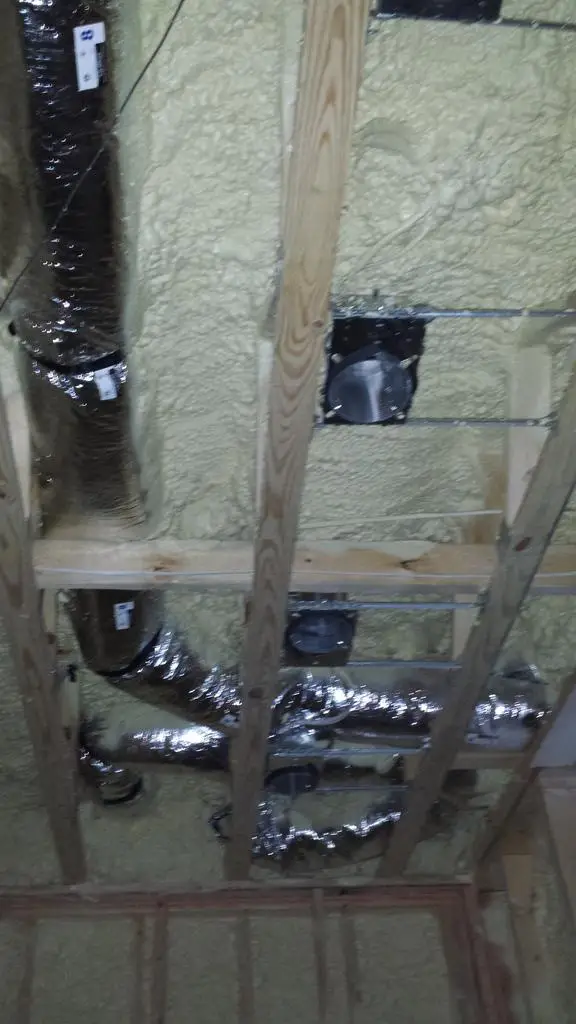
Finding the perfect location for your wine cellar is also essential as this will help you decide which type of wine cellar refrigeration unit to install. Most home wine cellars are constructed above ground; hence, they require efficient insulation and vapor barriers to maintain the required climate conditions.
The next element to consider is the storage capacity of your wine cellar. Consider the number of wine bottles you currently have in your inventory and how many bottles you intend to add in the future. A ballpark estimate of your wine collection will also help you determine the type of racking system to install.
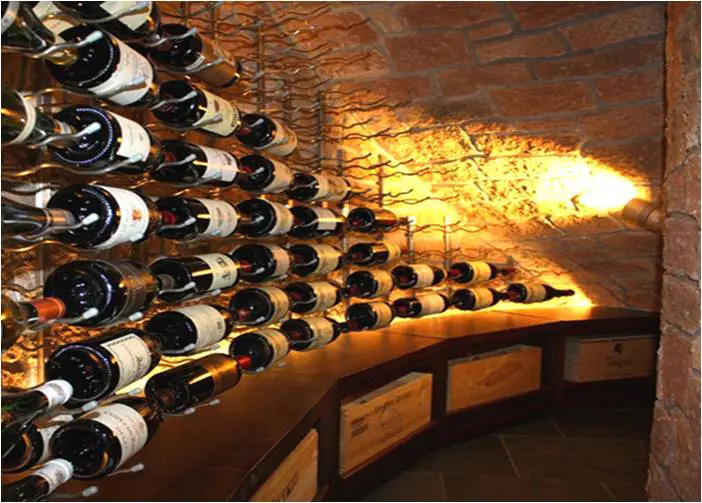
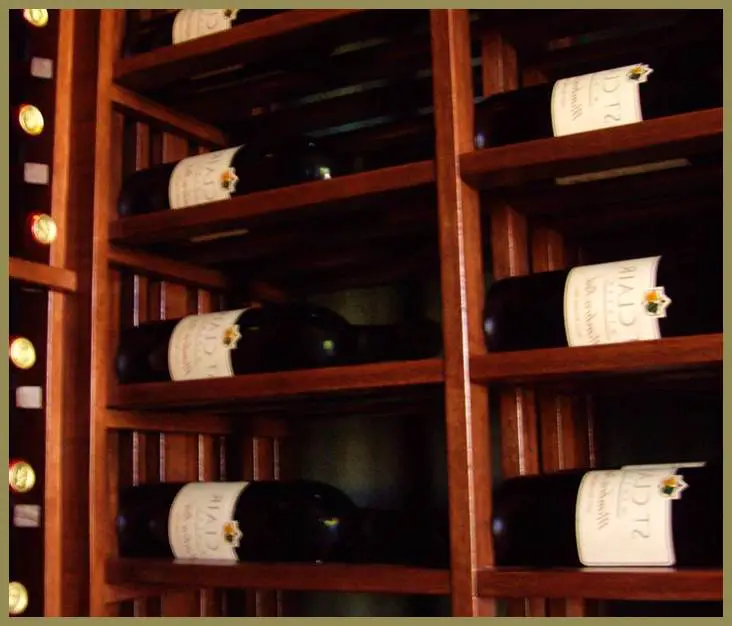
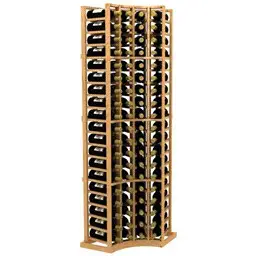
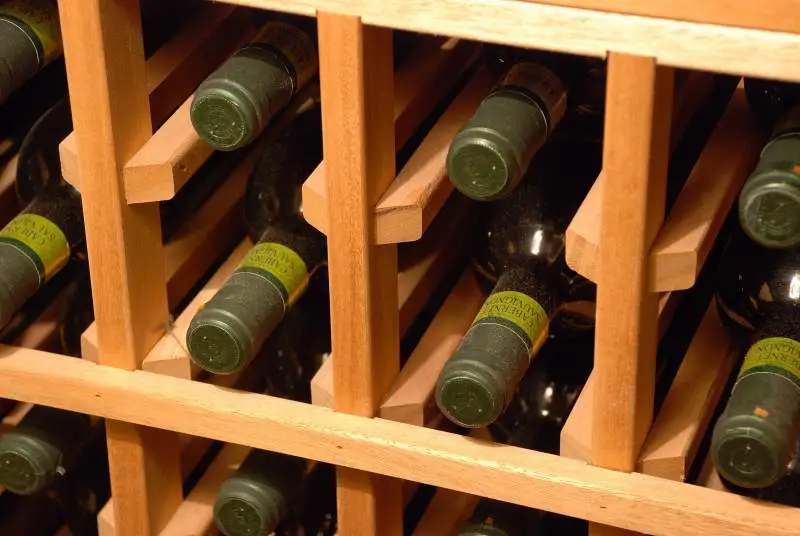
Wine racks are an important aspect of cellaring wines. Racking systems are designed to store wine bottles at an angle that keeps the cork in constant contact with the wine. Storage racks are available in different sizes and styles that can suit various needs and requirements.
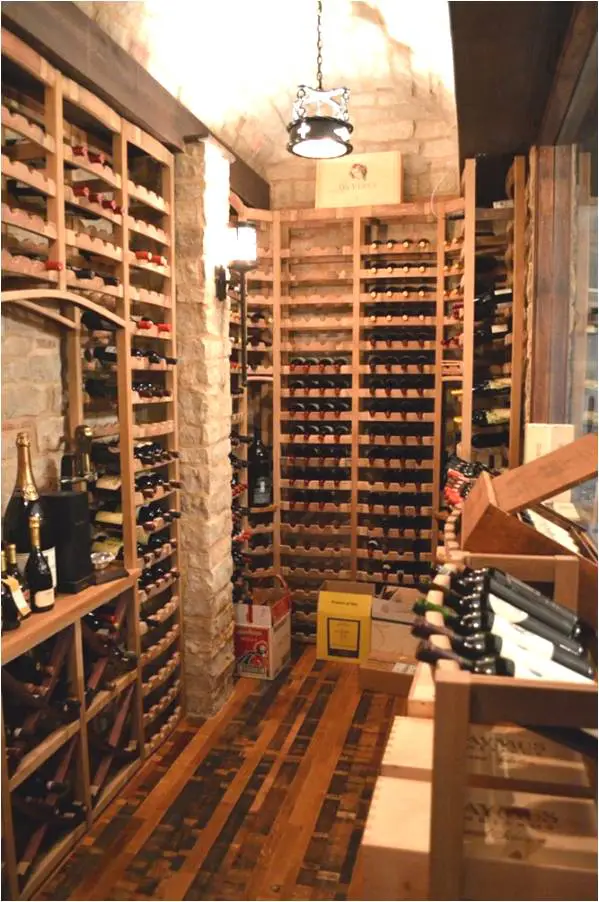
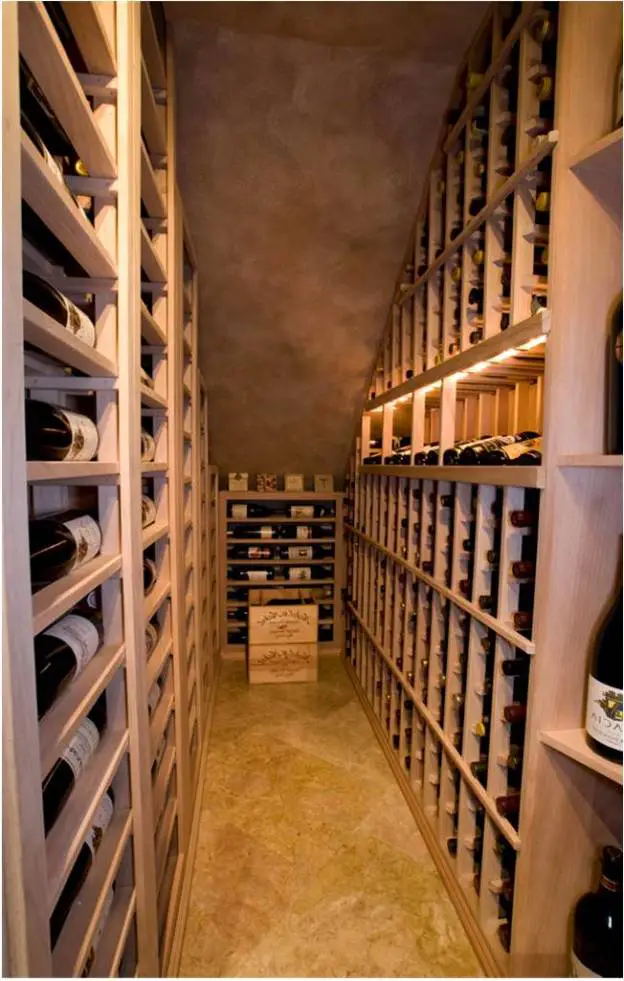
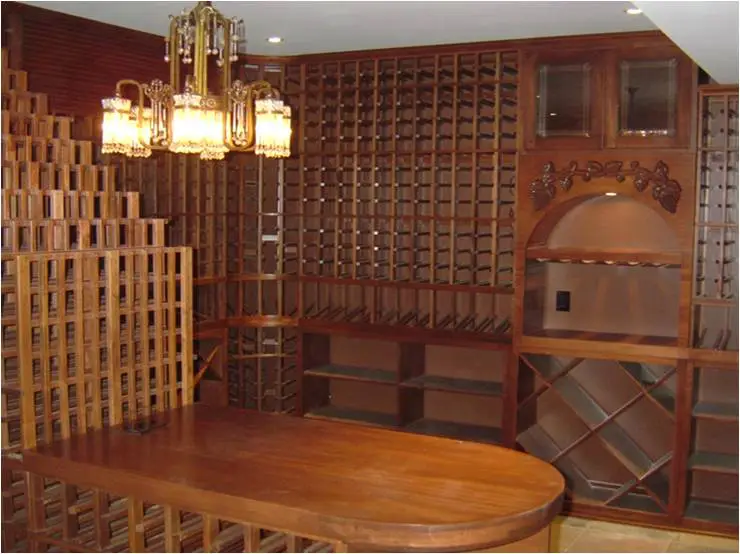
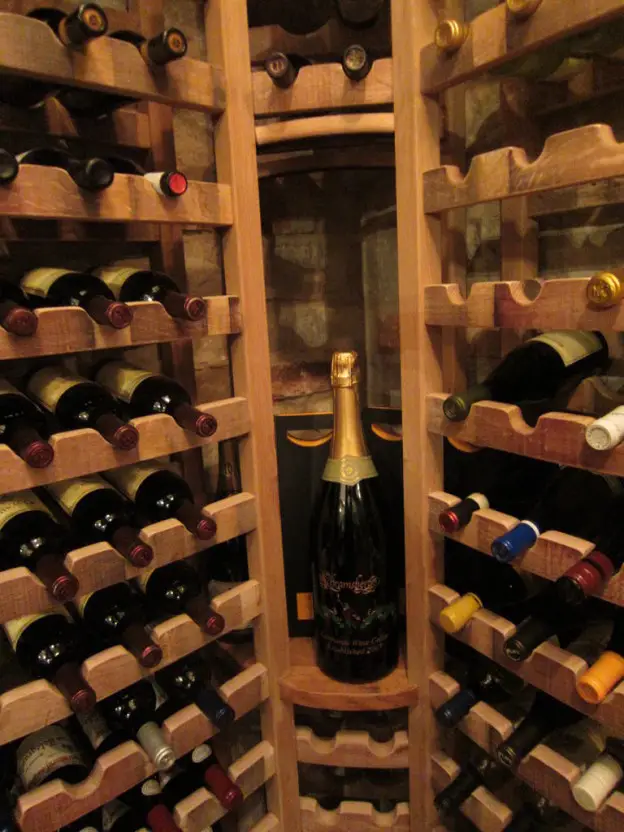
Although most wine racks come in pre-fabricated designs for easy installation, there is also an option to have them custom built. Custom wine racks are specifically built to fit your wine cellar, taking into account the architectural structure and constraints of your storage space. Custom racking systems may be an expensive storage solution, but will nevertheless provide a unique flair to your wine cellar.
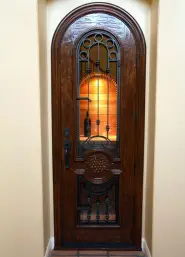
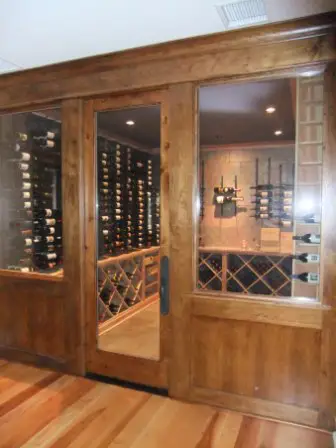
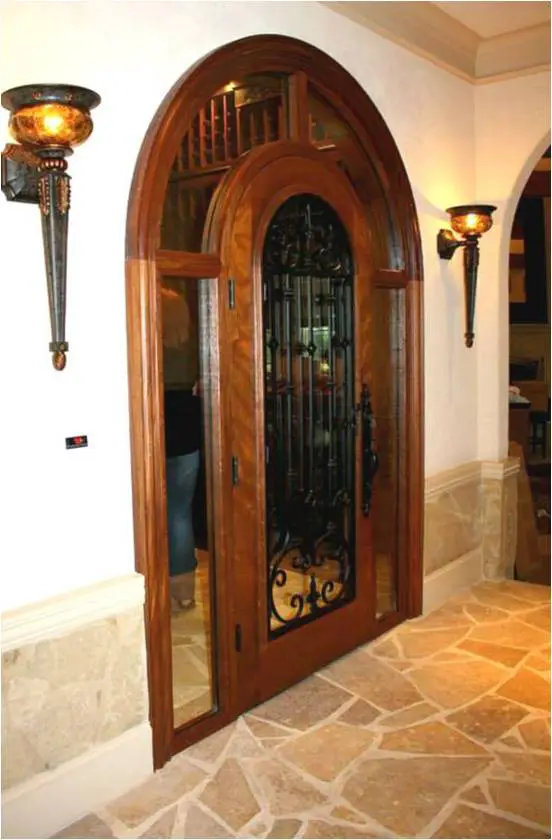
Another element to consider is the kind of door for your wine cellar. Since cellar doors serve as the entryway to your wine enclave, it should be functional and aesthetically pleasing at the same time. Wine cellar doors are made out of wood, glass, and wrought iron. These doors need to have an airtight seal to help keep the correct level of temperature and humidity inside the wine cellar.
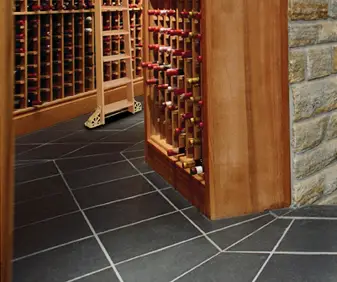
Choosing the proper flooring material for your wine cellar is equally important. The flooring surface must be strong and durable to withstand the combined weight of the racking systems and cabinetry. Wood, cork, tile, stone, and recycled wine barrels are common materials used in wine cellar flooring.
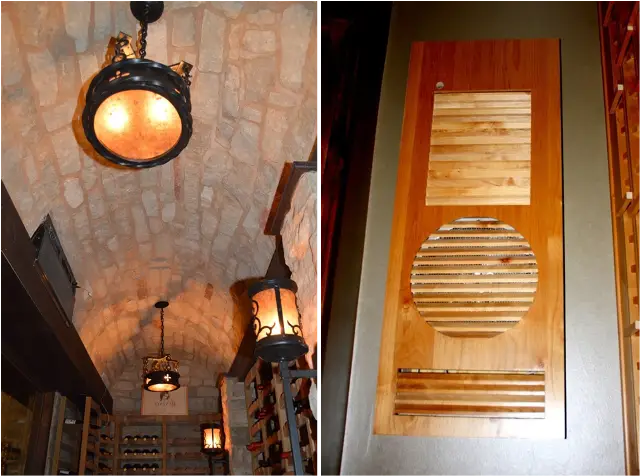
The last element to consider is the lighting system. Lighting elements allow you to highlight and feature your favorite wine labels. LED based lighting solutions are most appropriate for wine cellar use since they emit less heat compared to regular light bulbs.
There are benefits to installing dimmer switches and light timers in your wine cellar. Dimmer switches allow you to control the level of brightness in your wine storage room. Light timers are energy savers and they prevent continuous light exposure.
Consult a professional wine cellar expert when venturing into a wine cellar project. Custom Wine Cellars SPecialists have the expertise and knowledge in designing, constructing, and installing wine cellars. They will work closely with clients throughout the entire process – from conceptualization to construction.

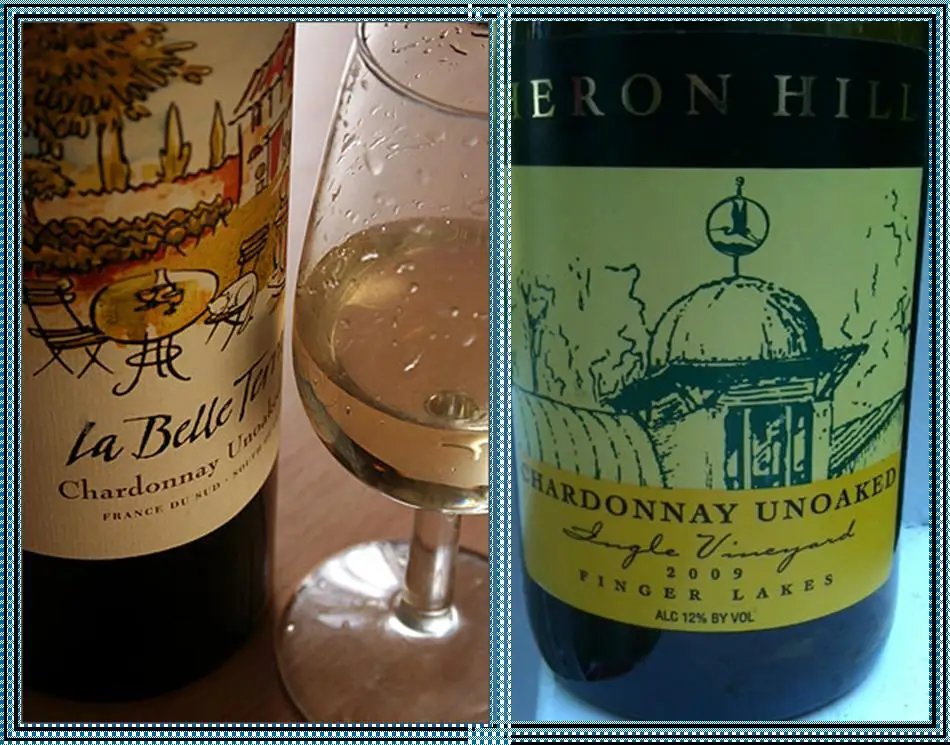
Unoaked wines are widely produced by many winemakers and are present in almost every residential wine cellar.
Many people choose to collect wines because for them, wine is already a part of their lives and it makes any wine drinking experience more enjoyable. Increased knowledge of wines is important, whether you are just starting a wine collection or you already have a large number of wines stored in your residential wine cellar.
One of the most interesting topics in the wine world is about unoaked wines. Many people might be wondering what unoaked wines are and their characteristics. This article will discuss unoaked wines, particularly Chardonnay.
Traditionally, wines are allowed to ferment in wine oak barrels, which create the flavors and bouquet of the finished wine. Oak barrels help balance the tannins in wine, enhance the texture and add a little spice and some sweet vanillin characters to the wine.
The wine making process has evolved so much as time has gone by. Some winemakers even deviated from tradition to discover “naked” wines.
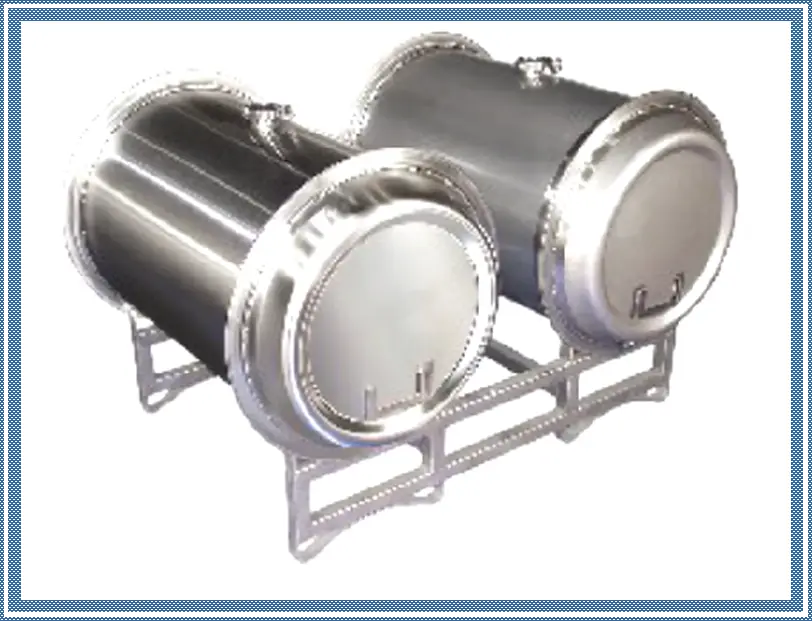
“Naked wine” is a term for unoaked wine, or wine that has never been aged inside an oak barrel. Production of unoaked wines involves a cost effective process using a stainless barrel instead of the more traditional oak barrel. Steel aging brings out the true flavor, without the influence of oak barrels.
In unoaked wines, the natural flavors of grapes and elements of the soil from which they are grown are emphasized. Unoaked wine is perfect as a table or dessert wine because of its light flavor. It is perfect for people who cannot drink wine with high tannin content.
If wine is unoaked, the tannin level is lowered, making the wine bearable to drink. Many consumers enjoy a lighter and fruitier wine without the influence of the oak barrels, which is why unoaked wines are widely produced by many winemakers and are present in almost every wine cellar.
We cannot deny that unoaked wines are gaining popularity in the US. One of the most popular non-oaked wines in the US, especially in California, is the unoaked Chardonnay, which was originally popularized by Chablis.
When Chardonnay is fermented and aged in steel wine barrels, it is unoaked or un-wooded. Unoaked Chardonnay has light and delicate flavors, making it more versatile in food pairing compared to oaked Chardonnay.
The true characteristics and crisp fruit flavor of wine will emerge if it is not fermented or aged in oak barrels, which is why some winemakers choose not to oak wines. There’s nothing better than ending a stressful day with a glass of unoaked Chardonnay from your home wine cellar.
Residential custom wine cellars are a place for you as an avid wine collector, to display your wine collection as well as to store and age your wines over time. As your wine collection grows your wine cellar is likely to have a mix of wines from different regions, wines that you will want to age over the longer term and some that will be intended to be consumed over a much shorter period.
As part of the management of your wine cellar there are many factors that can influence the preservation and aging of wine. In this article we are going to discuss the role different types of cork can play in this process.
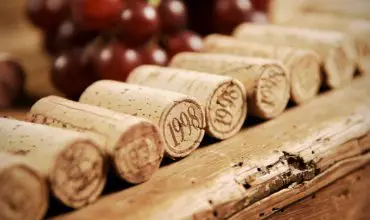
Cork is used in a variety of products, the most common of which being the wine cork. It is considered the most suitable material for bottle stoppers on wine bottles because of its structure and component materials. The mechanical and physical properties that make cork the most preferred wine bottle closure include resiliency, low density, impermeability, flexibility, temperature and age stability, adherence and biodegradability.
Wine cork is essential to the graceful aging of wines in your wine cellar. It prevents oxygen from spoiling the wine in subsequent storage.
In order for cork to serve its purpose in wine storage, wines should be positioned in wine racks the right way. It is also essential to use the ideal wine cellar cooling units to ensure that the right humidity level in the wine cellar is maintained. This will prevent the cork from drying out and shrinking, thus reducing the possibility of oxidation, which causes wine spoilage.
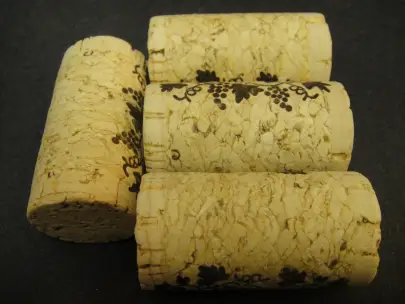
There are different types of wine corks used by winemakers. The most well-known are the natural wine corks. These wine corks are derived from the best quality cork oak periderm or bark and are washed, carefully inspected for flaws, sterilized and printed.
Natural wine corks enable wine to mature slowly because they are able to seal it for a considerable length of time. They are most suitable for bold red wines intended for long term storage.
Corks which are popular for their affordability are agglomerated wine corks. They are low cost because they are made from clean natural cork grains. These grains are formed into dense corks by mixing them with food grade glue. They assure good sealing for wines intended to be stored from 12-18 months.
Another type of wine cork that fits ice wine bottles with a narrow neck is the ice wine natural cork. These corks are smaller than natural wine corks and are specifically sized to withstand high sugar content.
Pore-filled natural wine corks are called colmated wine corks. Their pores, or, lenticels, are preserved carefully with cork dust or cork grains. These grains are gathered and attached to the lenticels of colmated cork stoppers by using rubber glues (FDA authorized) or natural resin glues.
Synthetic wine corks are considered to provide a good seal to wines since they don’t harbor bacteria, which is why some wineries prefer to use this type of cork. The advantage of synthetic wine corks is their availability to be manufactured in different colors, thus allowing flexibility in packaging.
Double disc corks, also known as 1+1 corks or twin pop corks, are a combination of natural corks and agglomerated corks. The main advantage of this type of cork is the consistency in quality, density, price and function which make double disc corks widely used in bottling commercial wines.
When selecting wine for long term preservation and aging of your wines in your custom wine cellar, take into account the type of cork that was used to seal the wine and when making this decision. Wines that have been sealed with low-end porous corks are likely to be less suitable for long term storage.
With several types of wine available, pairing wine with food needs careful attention in order to bring out the best in each combination. There are no rules when pairing wines with food, only suggestions. Always keep in mind that the best match is determined by your personal preference. Food can either contradict or complement wines. In your quest to pair wine with food, you must consider several factors for both wine and food.
For some wines, finding the perfect food match can be difficult. However, there are wines which are especially food-friendly, such as Riesling. This wine is often found in the wine cellars of those who want to find ease in choosing the right wine and food pair during dinner parties.
Riesling wines are produced from Riesling grapes, which originate in the Rhine region of Germany. Riesling is characterized by flowery, fruity and fragrant aromas. On the palate, Riesling wines highlight the pear, citrus, apple and peach flavors. They also exhibit mineral flavors, which they tend to get from their native soils.
Any food pairing can be successful if the wine’s intensity, acidity, alcohol and degree of sweetness are taken into consideration. Rieslings are known for their out-going character or versatility when it comes to food pairing. Rieslings are sweet, crisp, light bodied and have balance of sugar and acidity, as well as relatively low alcohol content.
The high acidity in Riesling wines increases saliva production in the mouth, causing you to want to eat more. German Rieslings that have high acidity go well with saucy dishes and fatty foods. This is why they can be paired with an array of foods such as appetizers, pork, poultry and mild fish. Riesling is also prefect for contrasting dishes such as sweet and spicy. Dry Riesling wine matches well with chicken and seafood, while sweet varieties go well with desserts.
In Germany, off-dry Rieslings are slightly sweet (classified as Spatlese or Kabinett). They are best paired with salty foods, spicy dishes and sweeter vegetables like corn, sweet potatoes, turnips and yams. Never match red meat with dry or off-dry Riesling, since its flavors can overpower that of the Riesling.
During light summer months, many of us love to have outdoor activities or have picnics with family and friends. We often grill fish and other seafood, which are best served with Riesling.
For wine cellar owners, make sure that you include Rieslings in your collection so that you can serve your guests with a wide range of food and grab a versatile wine.
You can also try pairing Riesling with other foods. Remember that your own palate will still be the biggest factor in a successful matching of wine and food. What matters most is that the pairing should enhance your wine drinking experience.
In the production of sparkling wine in every major wine-producing country in the world, the most important grape varieties used are Pinot Noir, Chardonnay and Pinot Meunier. Different methods are also used by different winemakers depending on their preference and the laws of their region. Sparkling wines are mostly pink, white or red. Sparkling wines’ sweetness varies from bottle to bottle and can be categorized as brut, extra brut, extra dry, sec and demi-sec.
It can be paired with a variety of foods including seafood, poultry and some desserts such as fruit salad, tiramisu and chocolate mousse. It appears fizzy because of the significant levels of carbon dioxide (CO2) in it.
The most popular type of sparkling wine is Champagne which is only produced in the Champagne region of France. The first Champagne was made in the 17th century. It is called spumante in Italy, Sekt in Germany and Austria, cap classique in South Africa and cava in Spain.
So what makes sparkling wine different from other table wines? It is the bubbles and the process used to make it bubbly. Many people love to drink sparkling wine, but only a few know the mystery behind its bubbles.
In the first stage of making sparkling wine, base or still wine (no bubbles) is produced and blended until the desired taste and aroma have been created. During the second fermentation process in sparkling wine production, the bubbles are generated in either a specially designed tank or in the bottle.
The winemaker adds a small amount of sugar and yeast to the blended base wine, which are converted to carbon dioxide trapping millions of bubbles in a very small space. The carbon dioxide is released in the liquid to produce a “sparkle.”
If CO2 is released too fast, the flavor of the sparkling wine fades quickly. In order to preserve the carbon dioxide in the wine, you should not pour the liquid straight into the center of the wine glass. Instead, you should pour it down the side of a glass which is ideally at an angle of 45 degrees.
Storing sparkling wines requires extra care since they are more sensitive to light than other table wines. They should be stored in a wine cellar, wine refrigerator or any location where the temperature is around 45 degrees Fahrenheit.
This will prevent overly aggressive bubbles. Sparkling wines must be placed on the lowest shelf of the wine racks because they are susceptible to heat and light. Since heat rises, wines requiring the lowest temperature should sit at the lowest temperature. Unlike regular bottles of wine they can be stored upright so that the carbon dioxide can form a ring at the neck of the bottle, thus protecting the wine from unwanted air.
Since sparkling wines don’t improve with age, they should be consumed within 1 year of purchase. When you are planning a celebration with your family and friends, keep the sparkling wine in a fridge for a day or two.
The serving temperature affects the rate at which bubbles are released. Sparkling wines should be served chilled, with the temperature between 42-52°F to steadily release bubbles.
When creating this special wine, winemakers have different preferences in sparkling wine style. Some want a more delicate and less flavorful style while others prefer the strong flavors of oak, aged wine or yeast. The 3 key production methods used in the secondary fermentation are traditional method, transfer method and Charmat Method.
Next time you have a celebration, you will feel proud because you know why the sparkling wine in your glass is bubbly. Enjoy every tingly bubble in it!
Besides grapes, there are many other fruits that can be made into surprisingly delicious wines. Wine collectors, often with whole room residential custom wine cellars dedicated to their collections are finding these can make a great addition to the diversity of their collections.
Crops typically used in making fruit wines include apples, plums, raspberries, cherries, peaches, blackberries, pineapples, pears and even watermelons. Should you attempt to make these types of wines yourself it’s important to make sure you pick overripe fruits but avoid those with too many bruises.
Fruit wines can be made from any plant matter capable of being fermented. In order to achieve the desired taste and aroma, some of these products need honey or sugar to be added to them. Fruit wine making involves many of the same techniques used in making grape wines. When made commercially there is a machine that gets rid of the stalks and washes off the bugs etc. and in some wineries juice is separated from the skins through a crusher.
The fruit juice is then put into a fermenting container. Yeast can be found naturally in some fruits (such as grapes) and can also be produced through laboratory processes on other fruits. Yeast consumes the available sugar in juice and converts that sugar into 50% alcohol. The process called Chaptalization helps increase the alcohol content of the finished wine.
The fermentation process then begins. Most winemakers leave the pulp in the juice for the first 7 days to add character and deepen the wine’s color.
In the process of making fruit wines, there are necessary adjustments that must be made to the acidity of the fruit juice, the amount of fruit used per gallon, and the amount of available sugar. Sometimes, tannin or acid must be added to balance the taste, thus producing great tasting fruit wines at the standard you expect for your wine cellar.
The wine-making hydrometer is a device that not only helps determine the amount of sugar in your juice, but the amount of sugar needed to provide the sweetness you want in your wine and the amount of alcohol that sugar can produce as well.
Typically non-grape-based wines cannot be stored for a very long time. Some need to be consumed within 12 months of their production because they lack the natural yeast present in grapes. This potentially limited aging and life span should be taken into account when racking in your wine room. In order to promote further fermentation, phosphorus, nitrogen or potassium must be added.
An example of fruit wine is plum wine, which is famous in Korea and Japan. Other popular fruit wines include pineapple wine, cherry wine, banana wine, raspberry wine and apple wine.
Fruit wines are perfect for any occasion, an excellent addition to your wine rooms‘ selection and can provide unique flavors and aromas. You can even make fruit wines at home by following simple wine making processes.
In wine making, the juice must be extracted from the grapes and you must have the skill, time and fine blend of fruits to make great tasting wines. Pressing is one of the processes involved in wine making, which is the act of applying pressure to grapes or other fruits to separate juice or wine from them and their skins.
Most wineries use a device called the wine press to increase their production per ton. The amount of juice produced from pressing makes up about 30% of the total juice volume from grapes. Before the arrival of modern wine making, winemakers pressed grapes in a large basin using their feet. Take a look below at the different styles of wine presses which help in the production of high quality wines (especially those that deserve to be stored in a functional custom wine cellar).
Basket Press
The first type of wine press was the basket style press which is one of the oldest means of extracting grape juice. Most basket presses are made of wood and are manually operated. The operator of a basket press throws batches of grapes into the basket (or a cylinder of wooden slats), positions the top plate in its proper place and slowly lowers it down until the juice flows from the wooden slats. With enough pressure, the grapes are crushed and the grape juice is extracted from them leaving the skins, stems, seeds, and pulp of the fruit also known as pomace.
The main advantage of the basket press is its ability to reduce the filtering needed for the finished product and to lessen the bitterness caused by seeds and stems. Another benefit of this style of wine press is its affordability.
Bladder Press
The bladder press makes use of household water pressure through a garden hose to expand a bladder located in the center of the press. It has a large cylinder closed at each end, where the fruits are loaded into. As the bladder expands, it pushes and presses the grapes against the sides.
Bladder presses are popular for the high quality wines they can produce. They are also known to be gentler to the grapes compared to basket presses. By using a bladder press, the astringency is reduced because it doesn’t crack the seeds. Other advantages of bladder presses include less physical effort required to operate, they can be moved around easily because of its light weight and they are easy to sanitize.
Horizontal Screw Press
The principle used in a horizontal screw press is the same as that of the basket press. Grapes are squeezed not by bringing down a plate from above but by bringing down plates from either side of a closed cylinder. It can handle far more grapes compared to the basket press and bladder press. Only medium pressure is required in using this device.
Other styles of wine presses which provide lots of benefits to winemakers include the continuous screw press, vertical screw press and pneumatic press. Whichever press you want to use in wine making, make sure that the right amount of pressure is used to produce high quality wines for your wine cellar.
Wine collecting is an interest that is slowly gaining popularity among wine consumers of different social classes. There are two reasons why most people venture into acquiring their own vintages: one is for profit as they can eventually sell their collection down the line, and second is passion for great tasting wines wherein having their own collection allows them to personally enjoy a nice bottle or share it with friends at any given time.
Whatever your purpose is, Wine Cellar SPecialists is here to help you along the way. Here are some tips we’ve gathered for you:
Storing a few bottles is a great way to kick off your collection as you can gradually increase the number of your vintages in the long run. Proper wine storage is of great importance to your wine collection as this can spell the difference between preserving the quality of your vintages and spoilage.
When deciding where to store your wine collection, you should take into account the three factors that can greatly influence the condition of your wines: light, temperature, and humidity.
Bright lights can interfere with the chemical compounds in wines which can alter its quality and taste; hence it is essential to store them in places where they are left untouched by the damaging effects of rays of light.
Temperature and humidity levels should be maintained at 50-55°F and within 60-75% respectively. In addition, keeping your wine in areas free of vibratory motion is a must since the slightest motion can have adverse effects on your wine. Storing your wine collection in an ideal environment ensures that your wine retains its excellent quality and at the same time keeps its label in pristine condition.
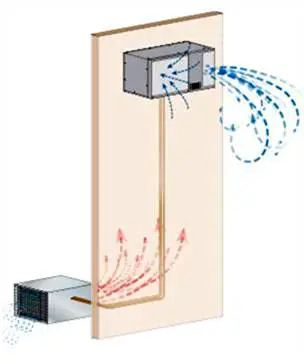
There are several options available for storing your wine collection. Converting your basement or garage into a wine cellar is one of them, and by installing a wine cellar cooling system in the room guarantees that the right temperature and humidity levels are maintained at all times.
If building a wine cellar in your home is not within your budget, then you can invest in a good quality wine cooler. Wine coolers have ample space to store quite a few wine bottles and it can mimic the ideal conditions required for proper wine storage.
Purchasing wine racks is another option. Wine racks are constructed out of wood, metal, or steel. They also come in a myriad of impressive designs that can certainly complement any kitchen or room in your household.
If you want a professional to look after your wine collection, then professional refrigeration is the best choice for you. A wine storage locker can be leased for your convenience and a wine expert is in charge of maintaining your wine bottles, for a price, of course.
The safety of your wine collection should also be taken into account. Keep in mind that the value of your wine increases as it ages, therefore it is imperative to take the necessary precautions for the safekeeping of your vintages. Having your bottles of wine insured is one way of doing that.
Should you decide to expand your wine collection, there are wine retailers and vineyards that often grant buyers a reduced price when acquiring wines in bulk. However, it is recommended that you try one bottle first or, better yet, check out wine reviews online before you make a big purchase.
Furthermore, visiting different vineyards and signing up for their mailing list will avail you of discounts in the future.
Why do I need to “Seal” my wine cellar?
Only this week I was confronted by a builder in Texas who was showing me the room that he was turning into a custom wine cellar for his customer.
He mentioned he knew about adding the correct vapor barrier and insulation. Then, in the next breath, he said “and I am leaving ½” open below the door so that the room gets good air circulation!”
Air circulation coming from the next room in your home into your wine cellar is exactly what you do NOT want.
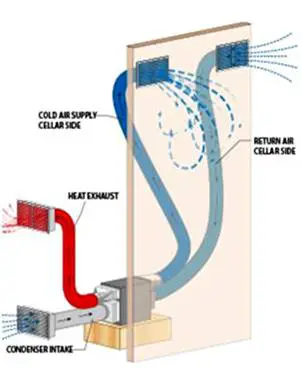
Your wine cellar must be sealed like a package. See How to Build Your Wine Cellar. The reason for the vapor barrier is to insure that the temperature and humidity inside the room, controlled by your wine cellar cooling units, is kept at a lower temperature and a higher humidity than in the rest of your home.
To age and preserve wine properly you need to maintain the very stable temperature of 55 to 60 degrees and 50 to 70 percent humidity inside you wine cellar. Leaving a gap under the door allows the cold air to escape and warm air to enter the room, creating difficulty maintaining the correct temperature and humidity. All air going into our coming out of the room should be going through the wine cellar climate control system you have chosen.
Yes, it is possible to maintain the room’s temperature and humidity with this gap. However, you will need a larger wine cellar cooling unit and your unit will run longer, causing an increase in expense to the homeowner’s electric bill.
The gap under the door is the most often cause of cooling loss in a wine cellar!
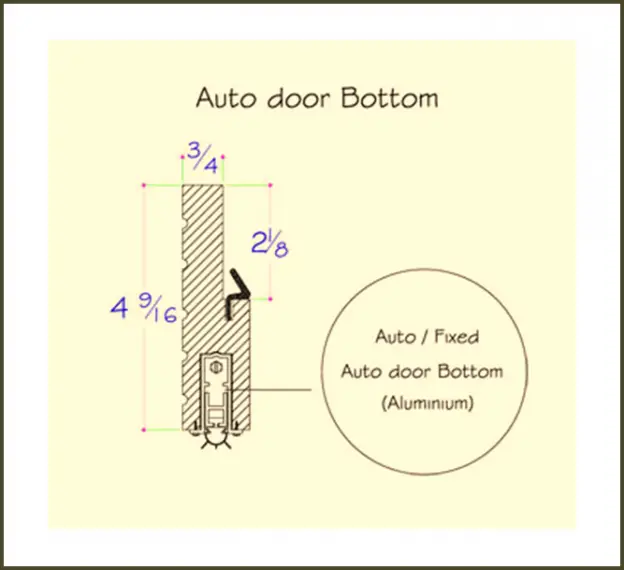
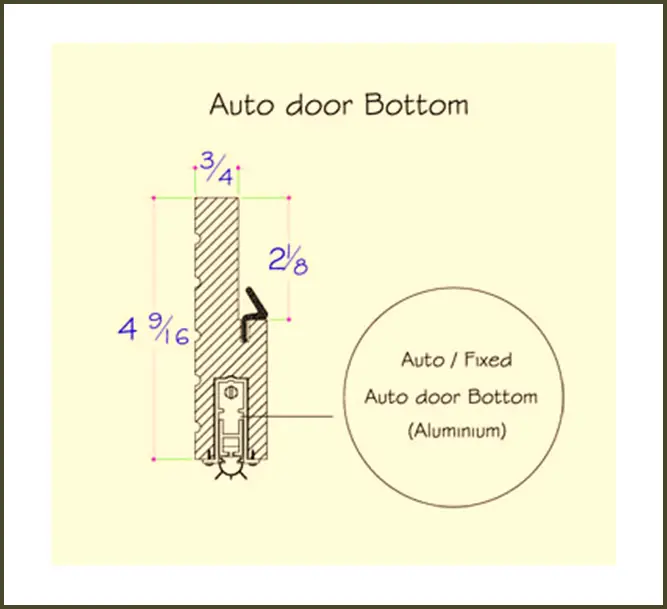
An easy remedy is to install an exterior door with the same weather stripping you would use if the door were to the outside. Another remedy is to install a door with an automatic door bottom. The doors offered by Wine Cellar Specialists have the option of the wood threshold or the automatic door bottom at no additional charge. This is highly recommended.
Wine Cellar Design Basics – Remember:
1. Seal any gaps.
2. A vapor barrier is absolutely necessary.
3. The more insulation, the better.
Want to learn more? See some of our completed wine cellar builders custom wine cellars installed in Texas. Or ready to get started? Simply fill in this wine cellar design request and we will create a design for you FREE of charge and without obligation! Kick off your wine cellar conversion today!
…for Contemporary Wine Displays
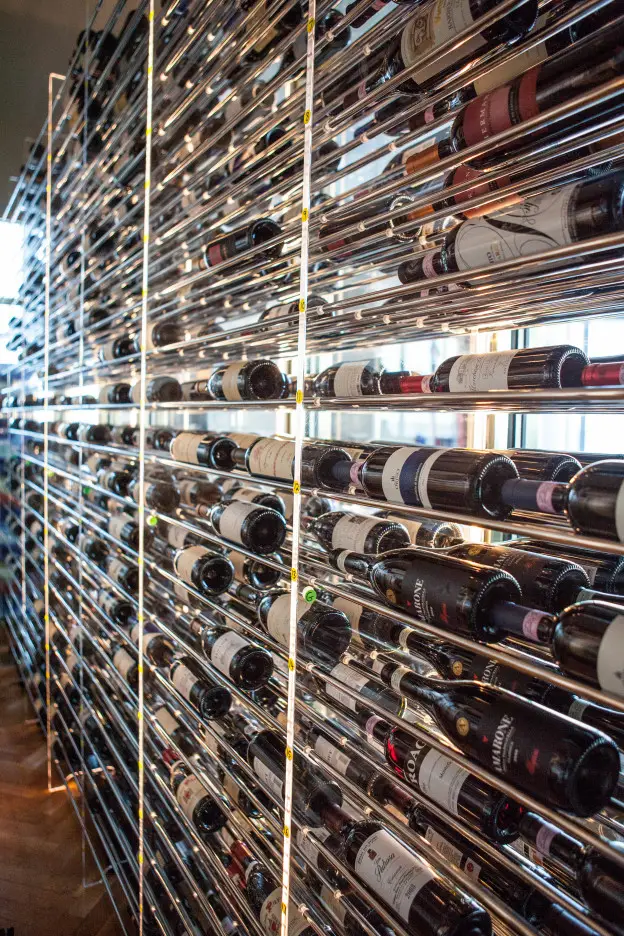
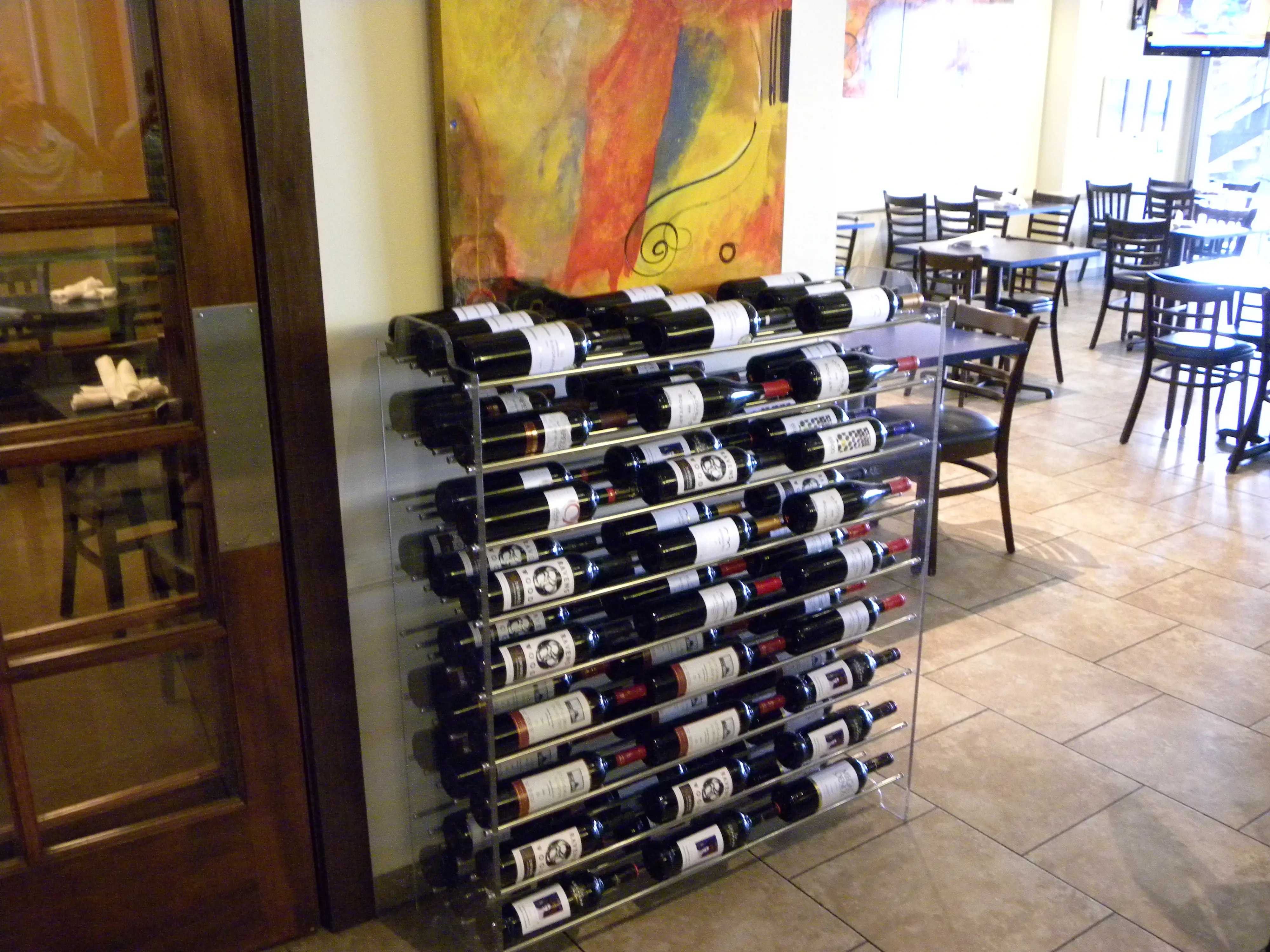
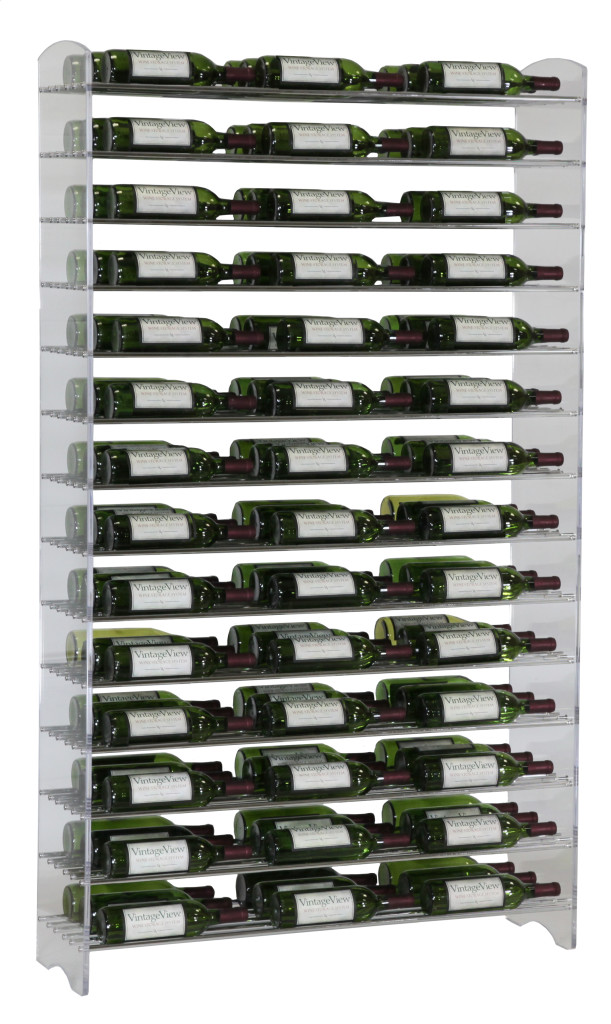
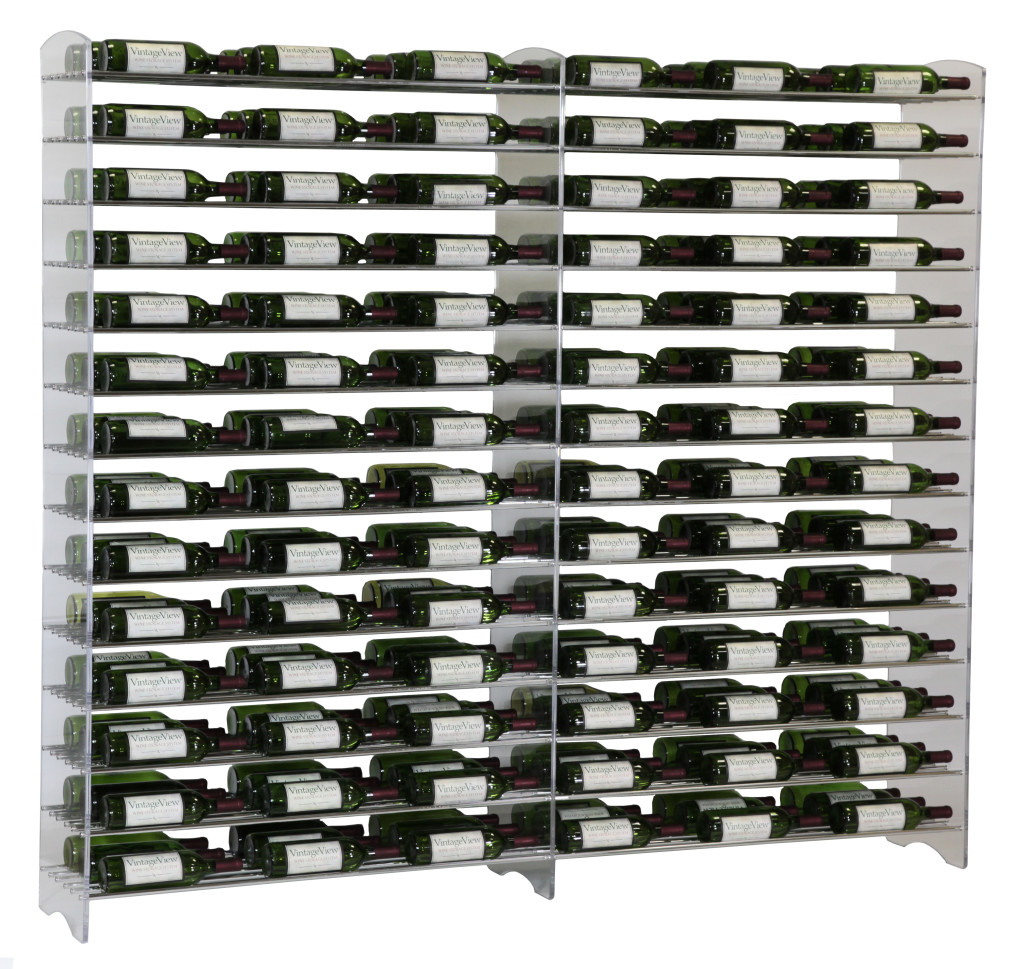
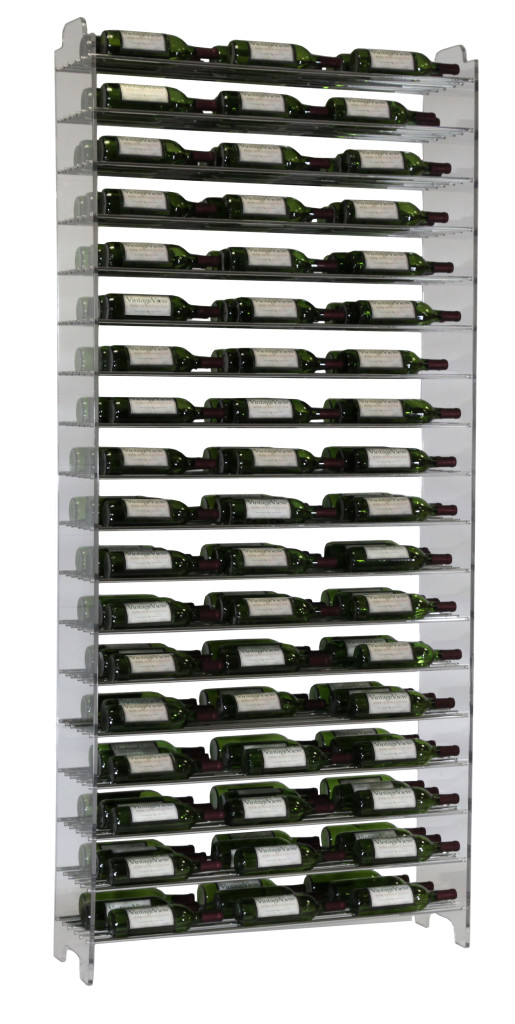
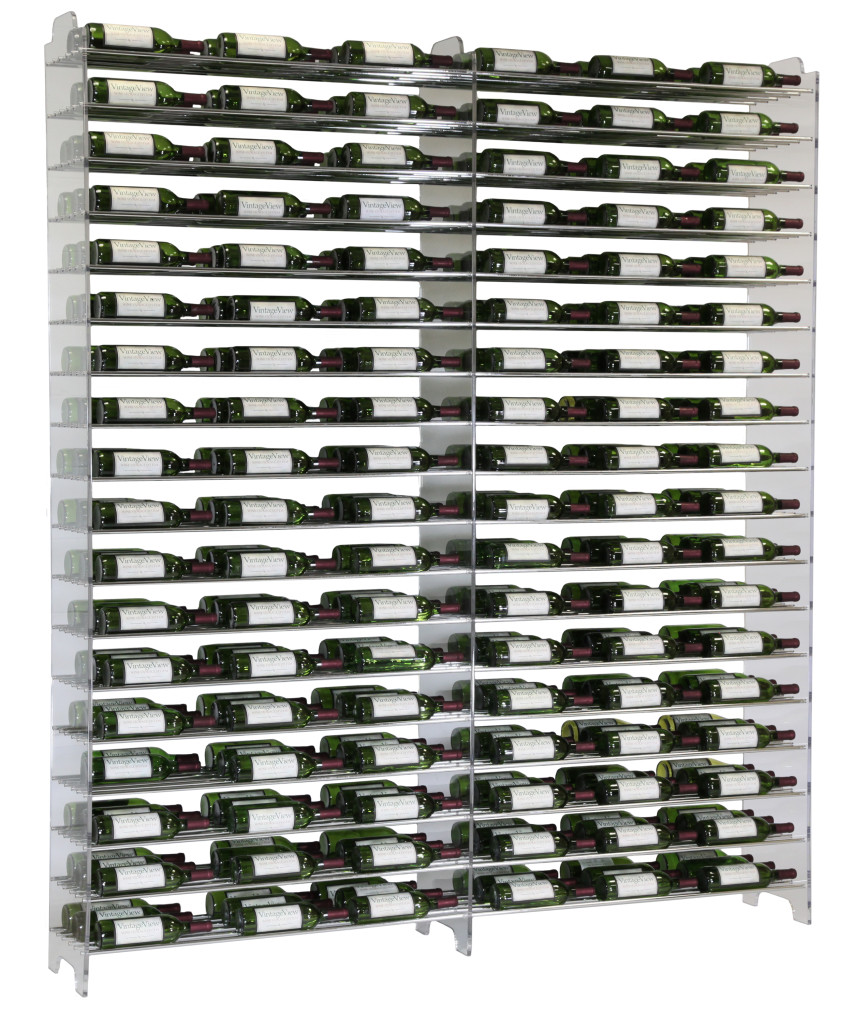
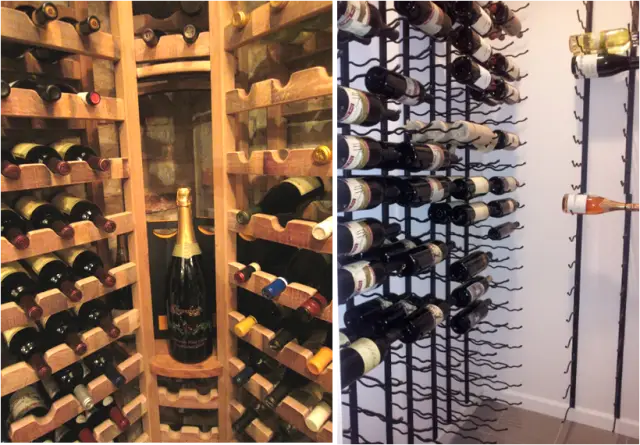
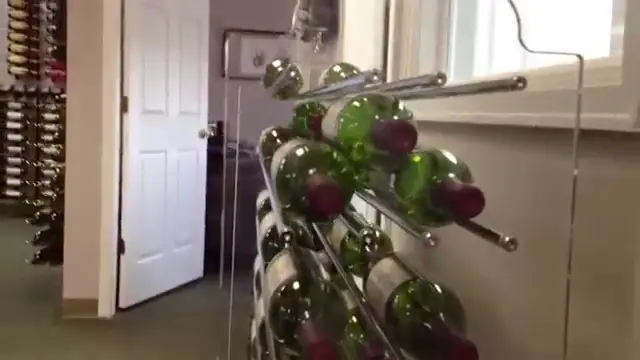
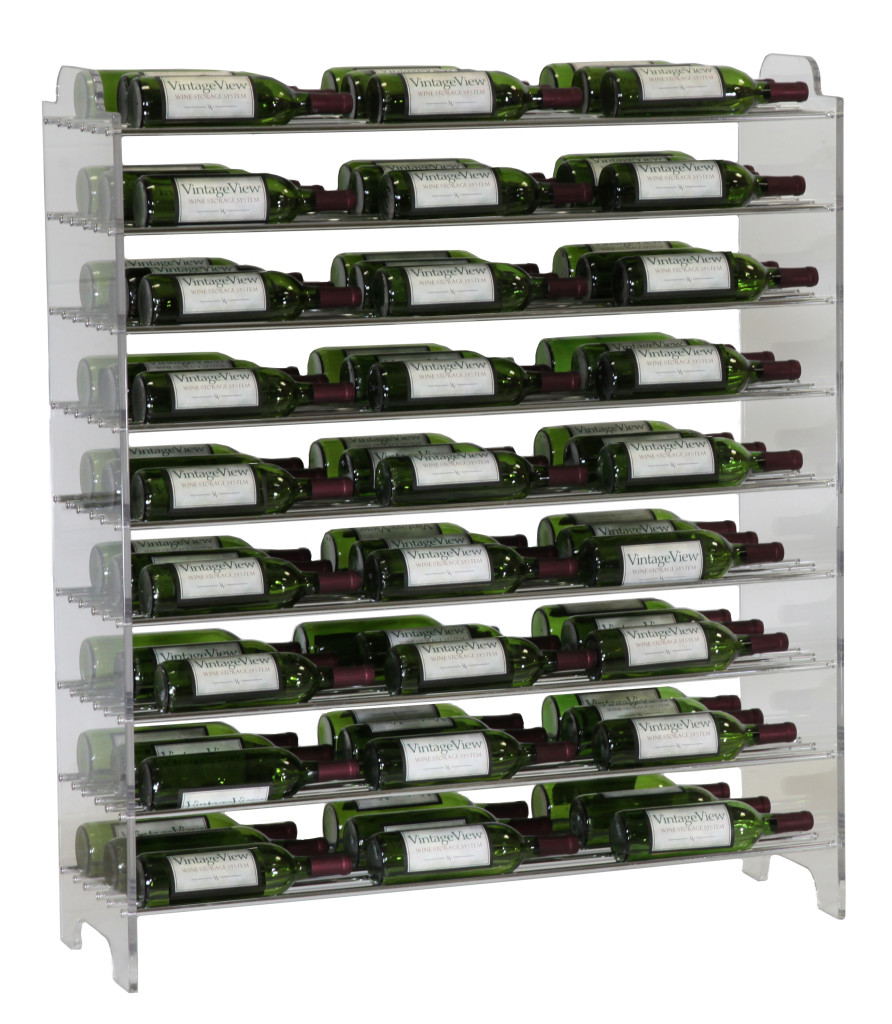
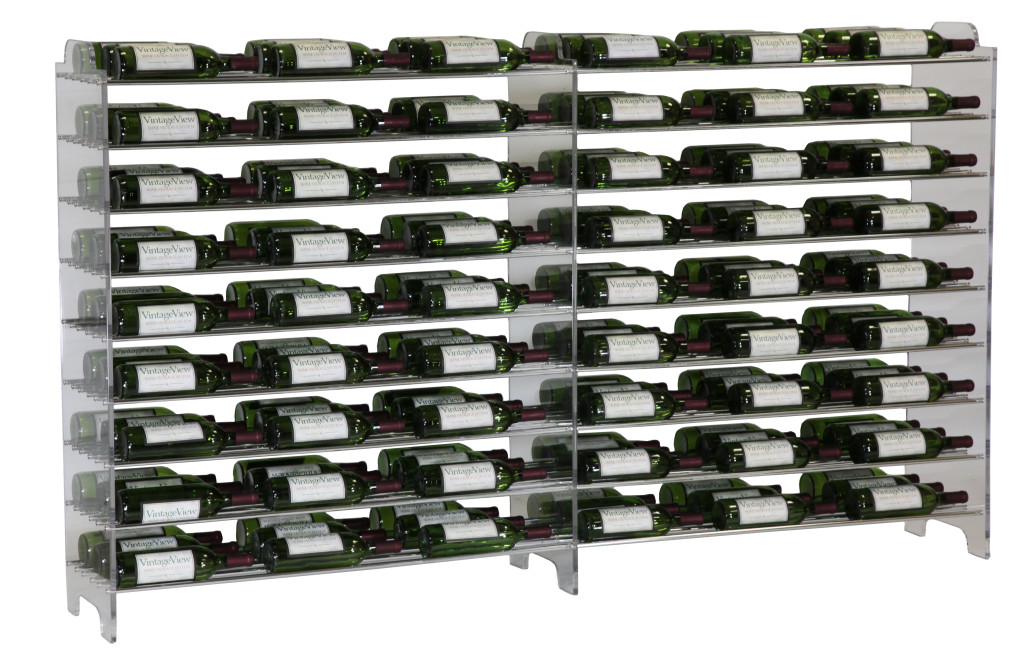
The new ‘Evolution Series‘ wine racks from Vintage View have arrived. These new racks can be custom made to almost any width and or height. For example, you could have them fit one, two, three or four bottles wide and reach 7 or 8 ft. in height…..up to 10 ft
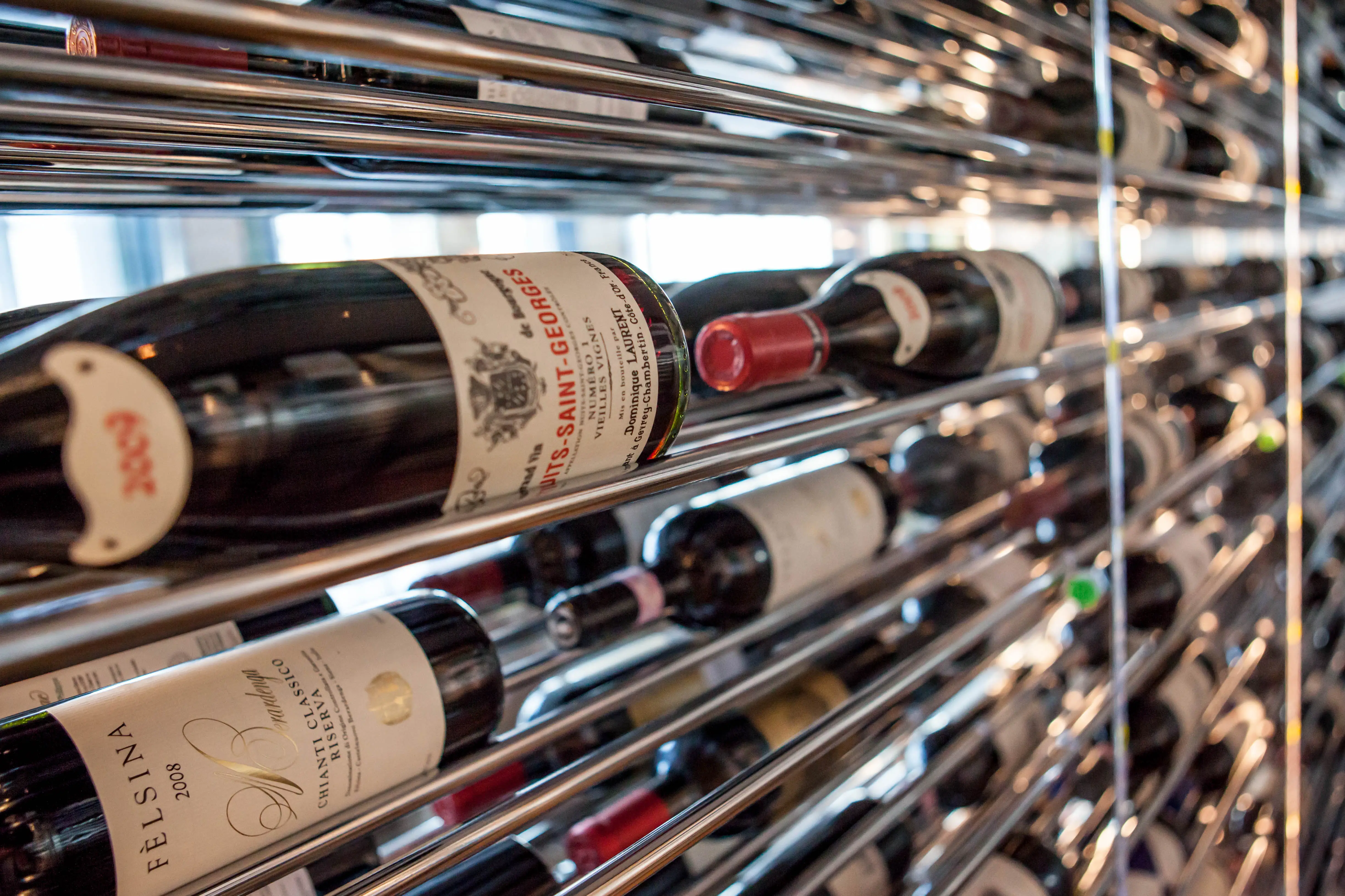
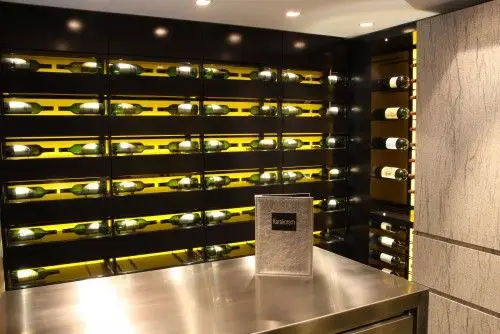
The ends of these Wine Racks can be made in steel with a powder coated finish (in nearly any color) or chrome plated if under 8’ high. They can also be made of acrylic in clear, frosted, or colored. The tubes or rails the bottles rest on are chrome plated steel. These wine racks are potentially ideal for Wine Stores, Residential Custom Wine Cellars, Commercial Wine Displays and indeed anyone wanting to create a wine cellar that has a very contemporary look.
These racks are now available in custom sizes.
Once these wine racks are formally launched they will come in standard sizes, right not though we can take orders for pretty much any size.
For details or to get a price quote for your custom Evolution Series wine racks call 1-866-646-7089
As custom wine cellar design and construction specialists, we frequently come across businesses that offer services that we believe are likely to be of particular interest to our clients and customers who have had built or have an interest in custom wine cellars, commercial wine racks, wine displays and wine generally. If fact we have often been asked to provide a list or a recommendation. To that end we have created a Custom Wine Cellars Related Business Listings page.
Please note – Custom Wine Cellars Related Business Listing Disclaimer
The businesses listed at the link above are a mix of companies that we like, do business with ourselves, have been recommended to us or are just simply aware of. A businesses listed on our “Custom Wine Cellars Related Business Listings” page should not be construed as a personal or business recommendation. They are simply there for your convenience and as a way for us to share information with you.
We may or may not have commercial relationships with these companies. We may or may not receive affiliate commissions as a result of your following the links and ultimately purchasing a product or services from them. We can say that if there is an affiliate relationship, it will in no way affect the pricing you receive from that company.
Our criteria for listing a business is that in our opinion we believe the business is relevant to the wine industry and of potential interest to wine lovers, collectors and owners of wine related businesses.
If you are interested in having your business listed, simply email your request to WineCellarBuilders@CustomWineCellarsLosAngeles.com and put “Wine Cellar Specialists – Wine Industry Business Listings” in the title, don’t forget to include a link to your website! We reserve the right to accept or refuse a listing at our discretion.
Need products that match products from the old Grotto Cellars company? Look no further!
A common question we are asked is, “can we manufacture and supply kit wine racks and even match racking for custom wine cellars consistent with the style and finish of previously purchased products from the late Grotto Cellars”.
The answer is, yes. Our factory has been exclusively manufacturing wine racks for over 10 years and has, for several clients manufactured products that are consistent with the old Grotto Cellars racking solutions.
Grotto custom wine cellars was a company that lead the custom wine cellar and wine rack market for many years before getting into financial difficulty in 2010, eventually filing for bankruptcy towards the end of that year. For people who previously purchased kit or custom wine racks from them it can therefore be a problem to source products that exactly match what they already have.
While Wine Cellar Specialists are in no way affiliated with the old Grotto Cellars company we are familiar with the designs, finishes and styles of their wine rack products.
If you have previously purchased wine rack kits or had a custom wine cellar built by Grotto in the past, and wish to add to your wine racks, or expand your existing wine cellar, by working with us at Wine Cellar Specialists you can be assured of a perfect match!
Simply call us Toll Free at +1 (866) 646-7089 or complete a wine cellar design contact request form and we will be happy to help!
Wine Cellar Floors
Floor Preparation
When thinking about the flooring for custom wine cellars, you should remember that as part of a climate controlled room it must be prepared properly. This is an area that some people make the mistake of ignoring when creating a wine cellar in their home. If the floor in your cellar is above ground, you must add the same vapor barrier and insulation that you do to your walls and ceiling. Remember, the wine room must be wrapped up tight like a package. If your floor is on a cement slab which rests on the ground, you can get away with adding a vapor barrier only to the cement before applying your floor covering.
We recommend a product called Bostic’s MVP4. It is a Moisture Vapor Protection that is applied with a trowel and left to dry before adding your floor on top. It is usually available at your local hardware store. Once the moisture barrier is in place, you can add a plywood base or add your flooring directly on top of the vapor barrier.
Flooring Materials for Custom Wine Cellars
What you use for your actual wine cellar flooring material is up to you, as long as you stay away from anything resembling carpet. Carpet or carpet-like materials can mold or mildew in the higher humidity of a wine cellar. Slate, stone, tiles of many materials are fine in a wine cellar. Be careful of wood flooring unless it has previously been aged in a humid environment.
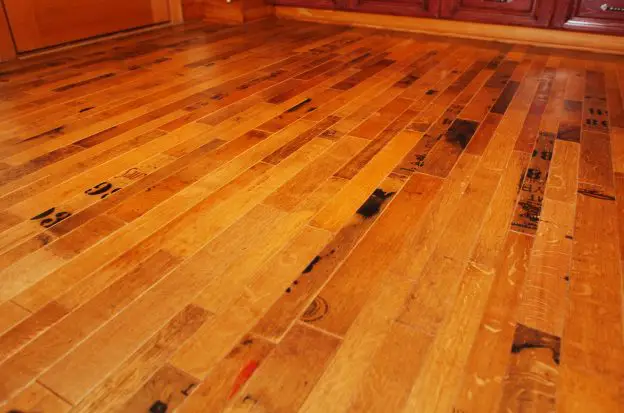
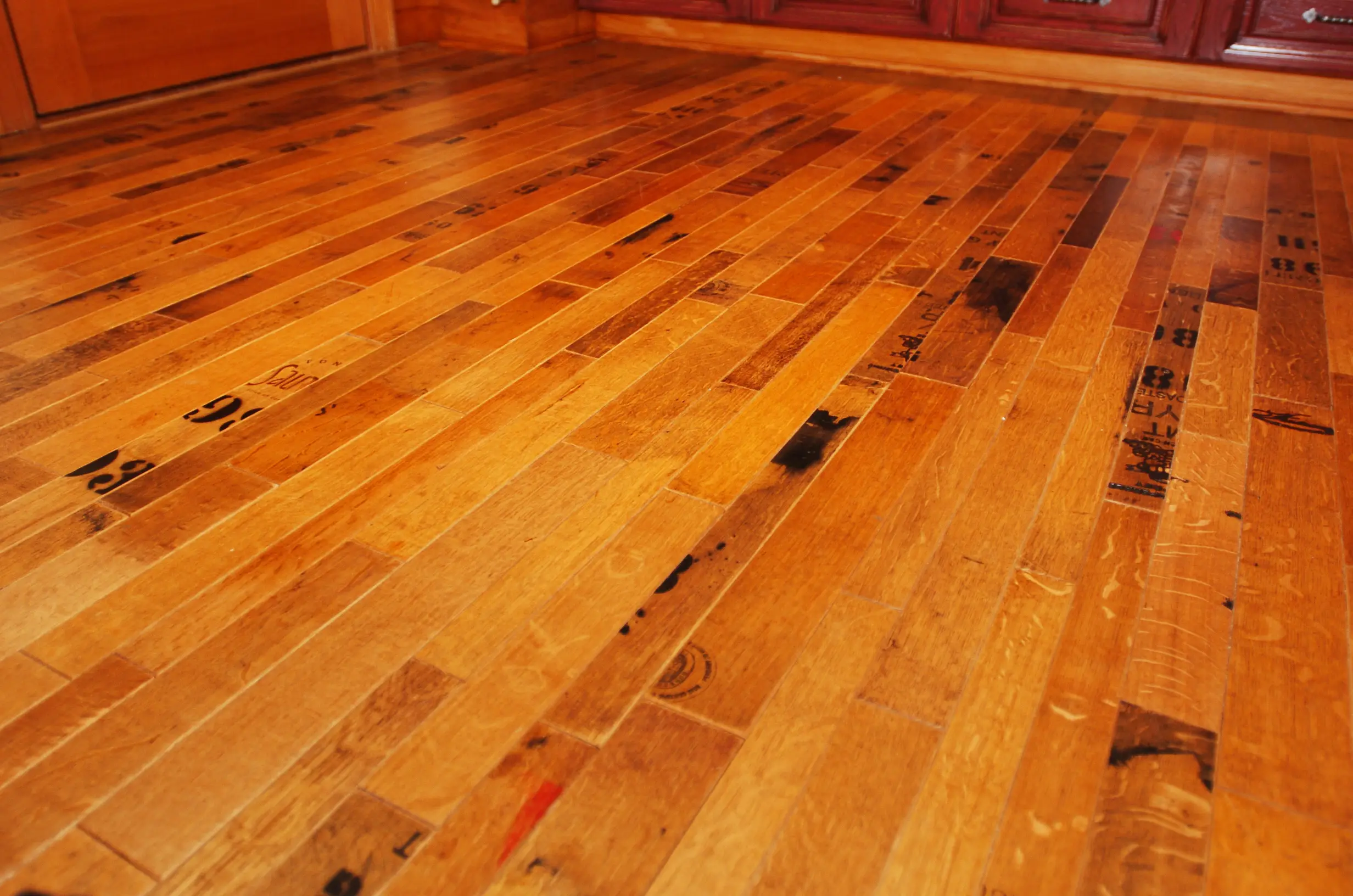
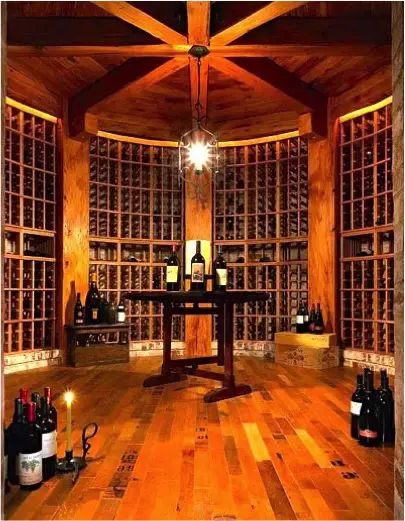
For a particularly special looking custom wine cellar floor reclaimed wine barrel flooring is an excellent choice and becoming more widely used in wine cellars. It is oak and made by master craftsmen from real oak wine barrels that are between 6 and 50 years old. Because these barrels previously held wine, the wood has already been exposed to extreme humidity levels. The barrels are sent through a process that implements a variety of specialized techniques to create an olde world style product line. The flooring can be glued or nailed over an area that has been prepared with a vapor barrier.
Three separate styles are available. The Cooperage flooring is made from the barrel head with all of its patina, cooperage stamps and special markings. The Wine Infusion flooring is made from the inside of the wine barrels where the wood has been naturally stained by the wine during the maturation process. The Stave flooring is created using the outside of the wine barrels. When the outside hoops are removed they leave behind distinctive markings and texture.
The wine barrel flooring is a statement of style and brings the history and aged beauty of wine into the personality of your wine cellar. A real conversation piece, this reclaimed wine barrel product is also available in drop-in ready tabletops and counter-tops.
Cork flooring is another great way to create a wine cellar floor. It is durable and very inexpensive. It is what you call a “floating floor” installation. Cork flooring comes in tongue and groove pieces that snap together and are held in place with a simple molding. Several styles, patterns and colors are available.
Both reclaimed wine barrel flooring and cork flooring are very unique and obvious ways to say “this is my special and unique wine cellar”.
Check out this sneak peek of a new residential custom wine cellars builders project we recently completed in Naperville a location near Chicago Illinois. As Full Service Wine Cellar Builders, Contractors and Installers we love building and designing beautiful custom wine cellars, wine tasting rooms and simple closet conversions like this example job. For the full story, interesting before and after images go to custom wine cellars design Chicago.
Naperville is a smaller city just outside Chicago Illinois. Interestingly it has been voted as a best place to live in the United States several times, even at one time making it to the number two best place to live position. As a smaller U.S. City with a population around 142,000 (2010) it is actually quite an affluent city with numerous corporate headquarters located in the down town area. Surprisingly in a 2010 article, Naperville was named as the wealthiest city in the Midwest! As Custom Wine Cellar Builders it should be no surprise therefore that we maintain a local presence of Wine Cellar Contractors in Naperville, Chicago and Illinois generally.
If you live in one of these areas and are considering converting an unused room into a Wine Tasting Room or Custom Wine Cellar simple call us Toll Free: at (866) 646-7089 or complete a FREE Wine Cellar Designs form and we will create a stunning 3D CAD Design Package tailored to your specific requirements without obligation and completely free of charge.
Check out one of our latest projects in Slidell which is near New Orleans in Louisiana. This Retail Wine Store and Bistro Bar is a great example of what can be done to enhance a Retail Wine Store in to something with character and style. Enjoy the video and visit our Commercial Wine Racks New Orleans Louisiana page.
Part Three – Custom Wine Cellars and your home value and desirability
A wine cellar can add considerable value as both a practical room and unique feature to set you home apart from others. While the primary purpose of building a custom wine cellar should probably be for your own private enjoyment, it can also increase desirability. Upgrades to homes are important to set them apart. Once only found in the very high end home market, stunning custom wine cellars, are amongst the most nascent additions and ‘must haves’ for the luxury homes mid-market. They are particularly appreciated in large homes situated in upscale neighborhoods.
3. Am I interested in my wine cellar increasing the value of my home or business?
A room with wine racks is a place to store wine bottles for a limited period of time. A climate controlled wine cellar with a Wine Cellar Refrigeration System is a place to store your wine collection for future enjoyment or investment. This type of wine cellar is also a good investment in your home or business…increasing the market value of your property.
If you are still unsure whether to add a cooling system to your wine cellar but want to get started with your project, at the very least, prepare the room for the future climate control possibility. Add the proper amount of insulation and a vapor barrier in the walls, floor, and ceiling. (See How To Build Your Wine Cellar)
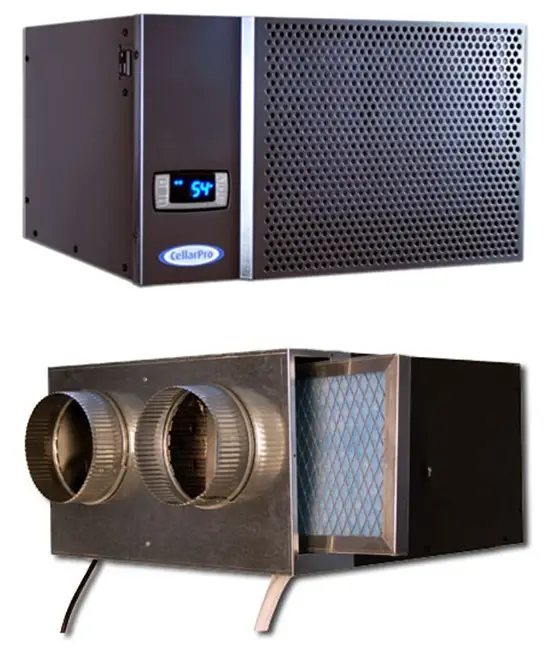
Do your homework or consult a Wine Cellar Specialist to suggest the best method of cooling your space. Then, add the necessary electrical and drain lines when preparing your walls so that your room is ready, if cooling is added at a later time.
Part Two – Wine Cellar Refrigeration
Many times we hear this question, “Do I need to add a refrigeration unit or climate control system to my custom wine cellar?” In order to make a decision about this, there are several things you should think about. This is the second of three blog posts where we will attempt to answer this question.
1. Do I plan on storing my wines for more than 6 months?
If you plan on drinking all of your wines within 6 months of purchase, you may not need a cooled wine storage environment. However, if you want to invest in several bottles of a favorite wine for the future or have wine investment in mind, a climate controlled room with a Wine Cellar Refrigeration System is a necessity.
Your wine can age 2 to 8 times faster at 73 degrees than at 55 degrees. OR three years at 73 degrees can be the equivalent of 6 to 24 years at 55 degrees. Wine reacts differently at different temperatures. There are good and bad reactions to different temperatures. At higher temperatures, the rates of bad reactions increase more dramatically than the rate of good reactions.

Humidity is also a factor. Most homes maintain a humidity of around 20-30%, though this can vary enormously in different regions. In order to maintain the separation of your home’s humidity and the humidity needed in your wine cellar, the room must be prepared properly and a climate controlled system installed. With too low a humidity, the corks can dry out and air seep into the bottles, destroying your wines. With too high a humidity, the labels could fall off and mold and/or mildew could occur.
This could be disastrous, imagine a group of you special most loved vintage wines, after one or more years of anticipation, spoiled! Simply due to improper storage conditions.
Part One – Wine Cellar Refrigeration
Many times hear this question, “Do I need to add a cooling unit or climate control system to my wine cellar?” In order to make a decision about this, there are several things you should think about. This is the first of three blog posts where we will attempt to answer this question.
1. What is the ambient temperature of the areas surrounding my wine cellar?
If your wine cellar is below ground level, in a basement, you are more likely to have a cooler environment than an above ground cellar would have. Knowing the year round temperature and humidity is important. If you are attempting to build a “passive” wine cellar (a wine cellar with no climate control), you need to make sure both the temperature and humidity are consistent and within the required limits year round.
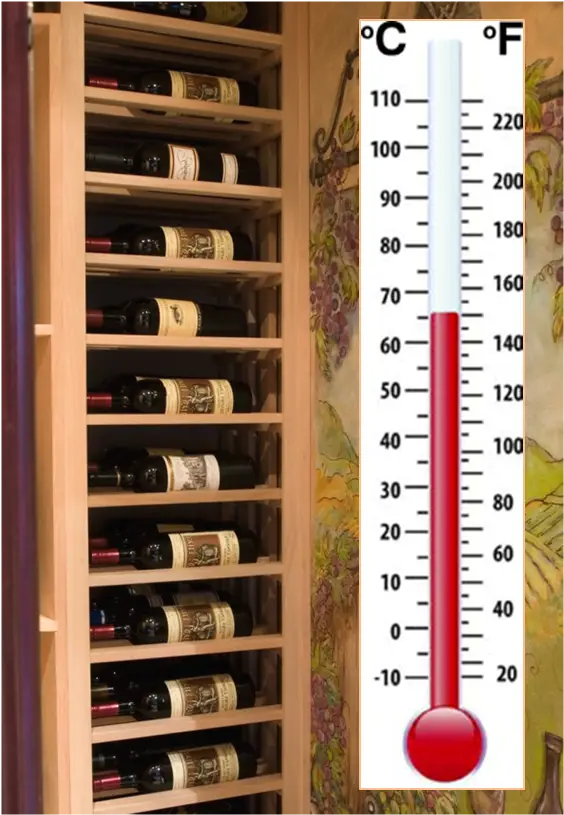
The temperature in a wine cellar should stay between 55-60 degrees and the humidity should range from about 50-75%. Fluctuations in temperature and humidity are one of the biggest factors that can destroy your wine collection. If your environment does not lend itself to a passive cellar, you may want to consider climate control, technically described as a wine cellar refrigeration system.
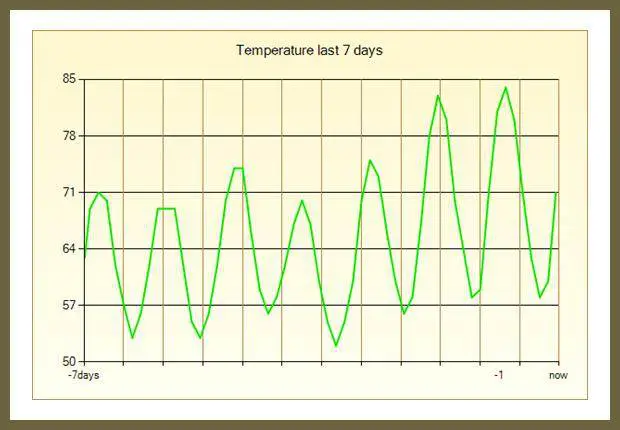
Natural seasonal and in particular, day / night cycles generate surprising variations in temperature. These often vary more than most people realize. Wine Cellar Refrigeration may be vital to the long term stability of your wine collection.
Check out our new page for this project that tells the full story and detail behind our recent Custom Wine Cellar Closet Dallas Texas conversion. You can also enjoy a sneak peek of the project by watching the video below.
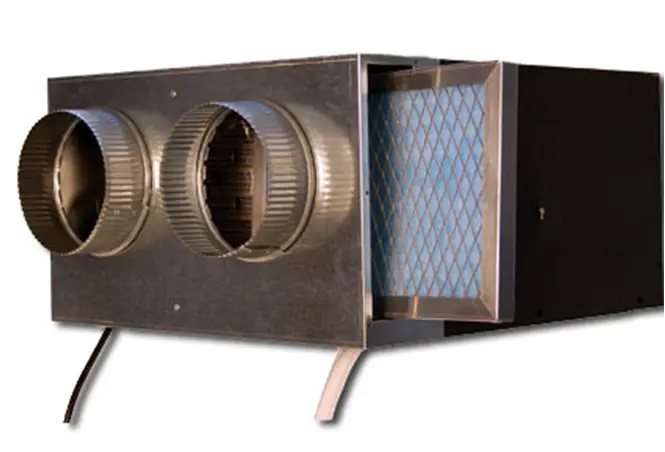
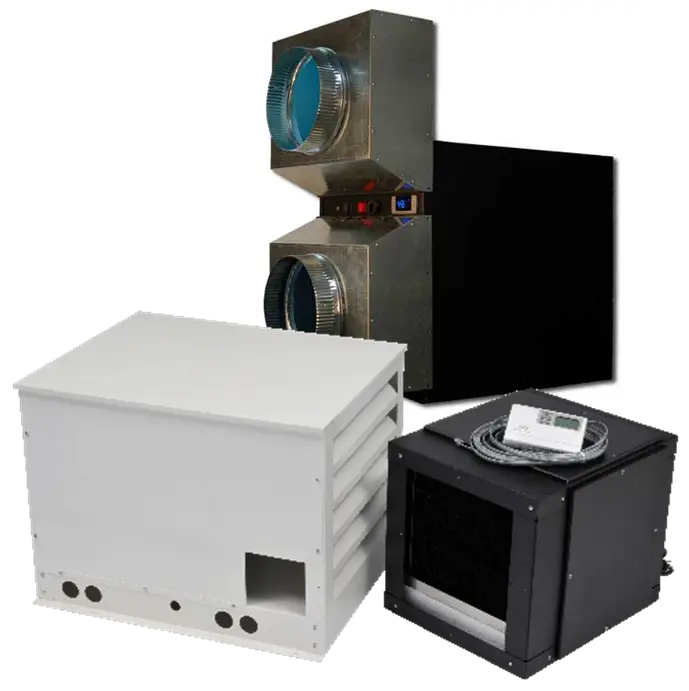
Wine Cellar Cooling Systems by US Cellar Systems
See other similar projects such as the Johns Residential Wine Room Dallas Texas or the Commercial Wine Racks Bistro Wine Store