

 Dallas
  Dallas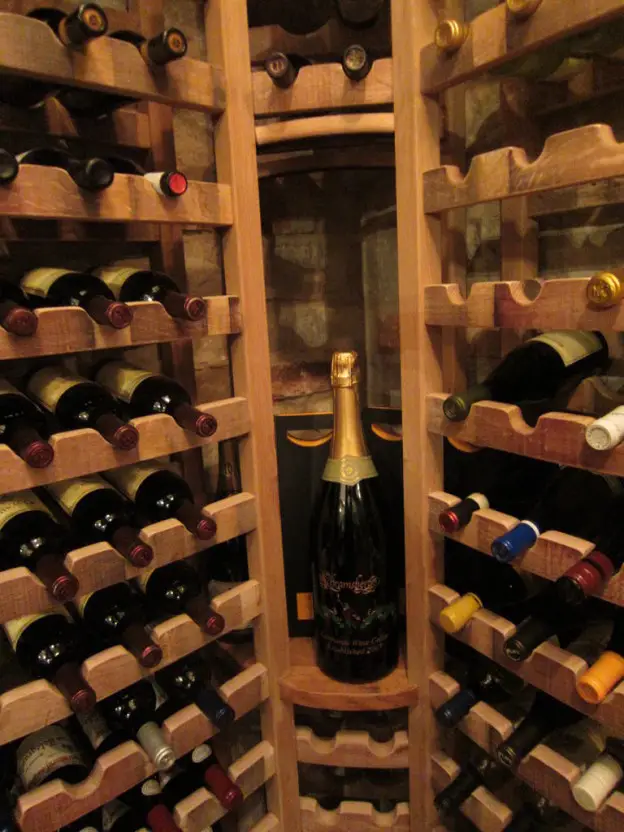
Wine will not last long if stored in poor conditions. It needs to be kept in an environment where temperature and humidity are regulated. Which is why it is important that you invest in a Texas wine cellar installed with the right components. This will make wine collecting more enjoyable. In this article, you will learn how the ideal storage conditions will help wine mature properly in your Texas home wine cellar.
Vital Components in Wine Cellar Construction
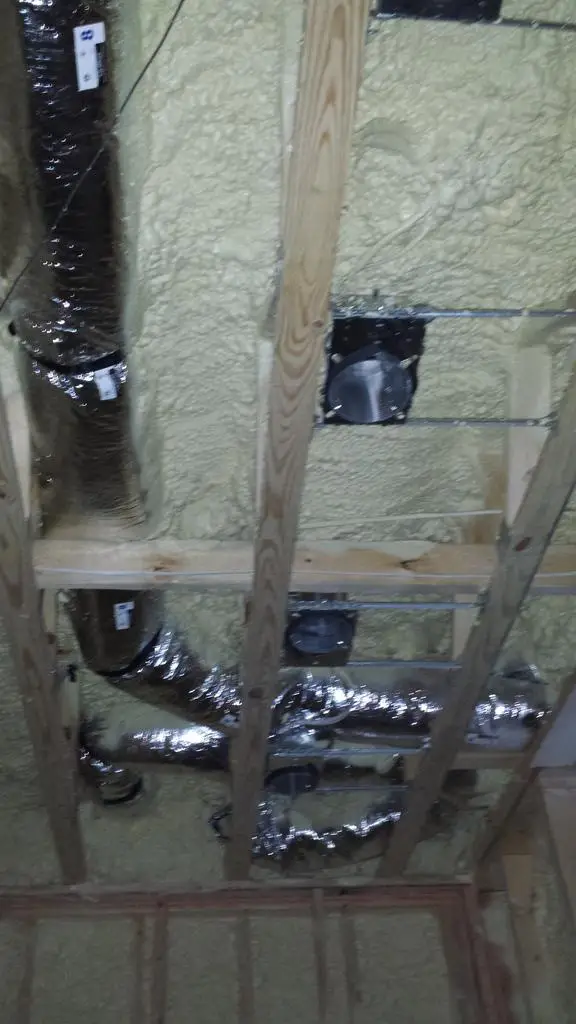
Proper Wine Cellar Insulation Must be Installed by a Specialist
As you probably know, the cooling unit you put in place in your Texas home wine cellar will help to determine how your wine will be when you decide to open and drink it.
Getting Expert Opinion on Wine Cellar Storage Conditions
Before your begin your installation project, consult with a Wine Cellar Specialist to determine the exact cooling unit that will be best for your circumstance and have them do a heat load calculation.
Heat Load Calculations Give Most Accurate Account of Size of Cooling Unit Needed for Proper Conditions.
You cannot go just by cubic footage to properly size your unit. Many other factors are involved such as amount of glass, interior or exterior walls, what is above and below the cellar, type of insulation to be used, etc.
Without first doing a heat load calculation and figuring out which unit will work best for you, costly mistakes can be made that are very difficult to undo later down the road.
Before talking about the conditions under which to store red and white wine, let’s review what your cellar should have before you move in any wine.
Wine Cellar Preparations to Achieve Optimum Storage Conditions Needed for Proper Aging of Red and White Wine
There are several key steps in building a wine cellar that’s designed for ideal wine storage conditions.
Adding a Vapor Barrier
There are two ways to make sure your wine cellar has the proper vapor barrier:
- The old method, which we no longer recommend, is to add 6 mil plastic to the warm side of the cellar and fill the studs with batt insulation. This method can be easily compromised over time and years later, you could have moisture issues if the seams come apart or the plastic is penetrated.
- The recommended method is to use the correct thickness of closed cell foam. This acts as your vapor barrier as well as insulation. You must use a minimum of 3” on any interior walls. We recommend at least 5” on exterior walls, ceilings, and any floors that are not on slab. Any seams or double studs, etc, must also be polysealed correctly to eliminate any areas where moisture could penetrate. It is wise to have a specialist do the foam for you.
Adding a vapor barrier and insulation will depend on which method you are using. If using the plastic and batt method, you can install the plastic part before your cooling lines and electric are run. If using the foam method, DO NOT foam until the electric and cooling lines are installed.
Insulation of Walls and Ceiling
- The proper insulation should then be installed in the walls and ceiling. When using the old method, you will get R-13 insulation in the walls and R-19 in the ceiling. If you use foam, you will get R-19 and R-30, which is better. The more insulation you add, the less work your cooling unit will have to do. This could save you money in the long run… so insulate well to achieve the perfect storage conditions in your wine cellar.
-

Cooling Systems are Essential in the Proper Aging of Wine
- Before installing your walls, depending on the wine cooling unit you are using, you may want to run a drain line, your copper lines (if applicable) and be sure to wire for your electrical. All units will need a place to drain and must have a dedicated circuit for the compressor.

- For the walls, you have a choice. You can use any moisture resistant material. You can put a ½” plywood down first to make it easier to attach your racking to the walls… recommended especially if using metal racking. Then add greenboard, or something similar. Another method is to add a heavy paneling such as a tongue and groove board or other board material that you might like to see in your room. Just make sure it is moisture resistant. If you are painting the walls, use a latex paint.
Installation of Wine Cooling System
- Now install your cooling unit. Again, depending on the unit you use, you may need to hire a licensed HVACR contractor for this. An HVACR contractor is required for your warranty to be valid if you are using any split system.
These are very basic steps. Clearly, there is more to building a wine cellar in your home than the steps we list above, but we list them to give you an idea of the work involved in creating a space in your home that will preserve and help age wine in a room with ideal storage conditions.
A master wine cellar builder can help you throughout the process, from deciding the kind of cellar you want and where you want it to doing the actual work.
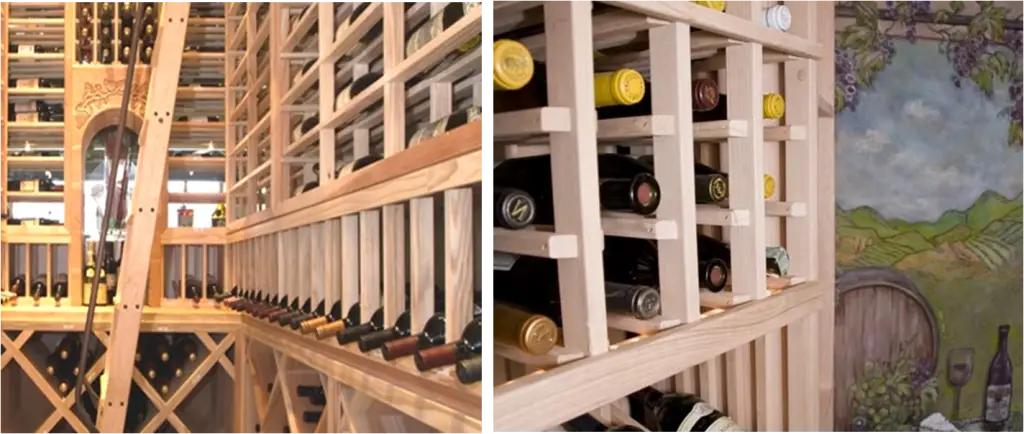
The Right Type of Wine Racks is Important in Wine Storage
Proper Storage of Red and White Wines
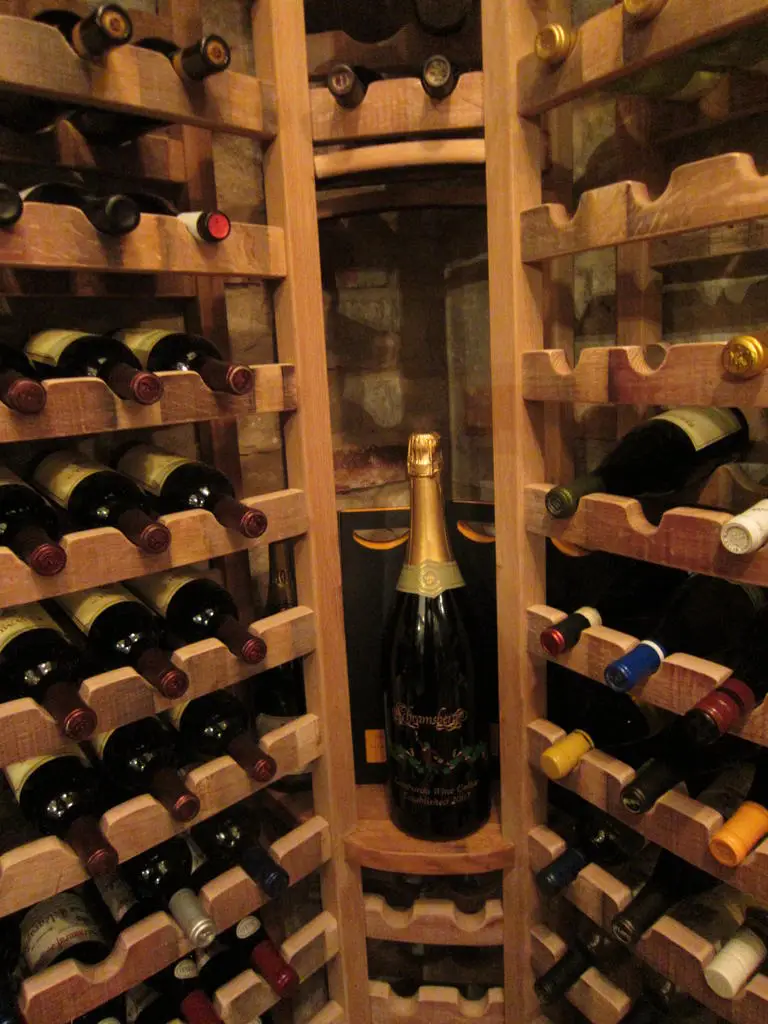
Wine Cellar Specialists can Build the Proper Wine Storage Place for your Collection
Once your cellar is in place, you get to move on to the fun part – actually storing your wine. We will cover in a series of other blog posts the types of racks you can use in your cellar, but here, let’s briefly talk about the best wine cellar storage conditions for red and white wines.
Wine Storage Conditions The Same for Red and White Wine
Both red and white wines should be kept at the same storage temperature. They both react the same way to the same storage conditions.
Ideal storage conditions protect wine from harmful environmental factors, preserving its desirable characteristics.
Drinking Temperature For White Wine
Drinking temperature is a different issue. Keep in mind that serving wine too hot or too cold can result in flat flavors and aromas. The right serving temperature can help preserve the freshness and fruitiness of wine.
White wines may not be chilled enough in your wine cellar. Before serving white wine, take the wine out of your cellar and put it into an ice bucket before you are planning to serve it. Serving champagne? Definitely chill champagne on ice before serving it. If you add water to the ice, the wine will chill faster.
Importance of Optimum Storage and Serving Temperature in the Aging Process of Wine
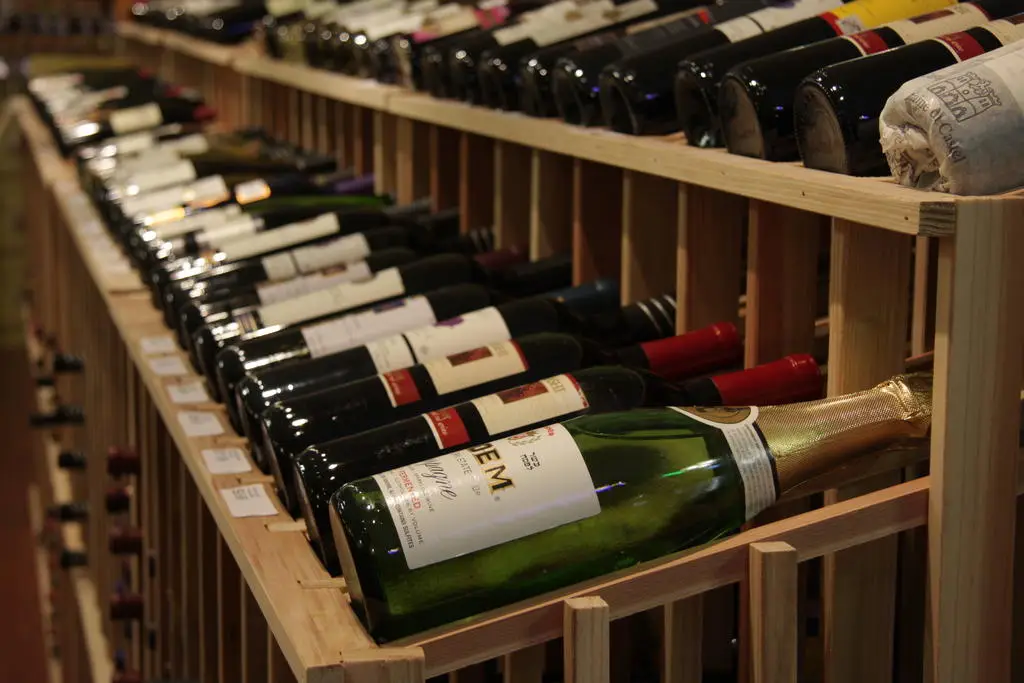
Red and White Wines Must be Stored at the Ideal Storage Temperature
The 55 degree wine storage temperature is equally important, if not more so, with your red wines. They typically are the wines that need more time to age before drinking. However, the 55 degrees is not the temperature you will want to drink your red wines at either.
The Right Drinking Temperature for Red Wine
Contrary to popular belief, red wine should not be served at normal room temperature. Depending upon the wine you are drinking, the ideal drinking temperature varies. There are may charts available online to help you along the way. When in doubt, serve the wine a few degrees cooler than room temperature. Richer aroma is released as the wine warms up to room temperature.
Cooling and the Aging Process of Wine
No wine should be served over 68 degrees F. Keep in mind that the cooling process helps age your wine and will let you store it for longer periods of time than just putting it away elsewhere.
One unit can serve to store red and white and conditions ideal for them, but remember you may need to take an extra step (cooling or “warming”) before serving.
Essential Wine Accessories for Serving Wine
In addition to serving wine at the right temperature, you can invest in wine accessories to enhance your wine drinking experience.
Aerator
An aerator is a must-have gadget of wine enthusiasts. It is used to reduce the level of carbon dioxide in wine. This process is called aeration, which can help increase your pleasure of drinking your precious wines, especially young ones.
Aeration allows wine to be exposed to the right amount of air, giving wine a smoother texture and pleasant aromas.
Decanter
Wine Cellar Specialists Master Builders of Wine Storage Rooms Texas
Another important wine cellar accessory is the decanter. The dark residuals in your glass or wine bottles are known as sediments. Before drinking wine, these sediments should be separated from the liquid to eliminate harsh flavors.
It is a common practice to let a bottle stand vertically for at least 24-36 hours prior to decanting. This will allow for easy decanting because the sediments will settle at the bottom of the bottle.
Other Tips in Serving Wine
- When pouring wine, the wineglass must be on the table, not in your hand.
- Use a bigger wine glass for reds, and smaller ones for whites.
- Pour only 5-6 ounces of wine in a glass.
Contact a Wine Storage Expert
When it comes to providing wine the perfect wine storage conditions, you can rely on Wine Cellar Specialists. They have built climate-controlled wine cellars in Texas, Chicago, and Florida. Request a custom wine room design today or call them at +1 (866 ) 646-7089.