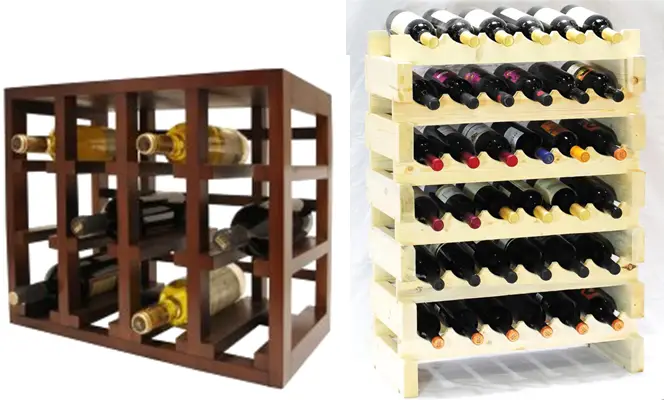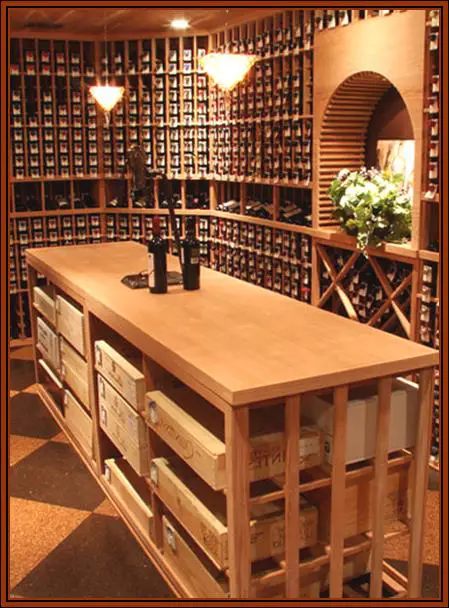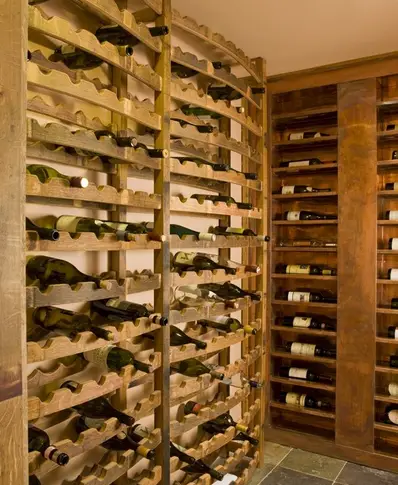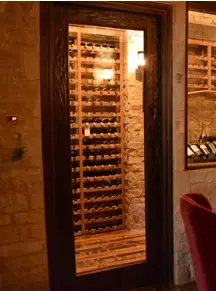

One important aspect of collecting fine wines is investing in high quality wine racking solutions. Wine racks are designed to hold wine bottles the proper way. Most racking systems are built to facilitate horizontal storage that allows the cork to continuously come into contact with the wine. Keeping the cork moist at all times is vital to maintaining the taste and flavor of wines.
Wine rack storage and display units come in a variety of configurations and storage capacities. They offer versatility in design options that can suit a range of needs and requirements. There are wine storage solutions that can be hung or mounted on walls to free up floor space while others have modular features that provide flexible arrangement.
Kessick wine racks are designed for wine collectors who want to bring a modern and contemporary look to their wine storage room. Kessick is known for their Estate Design and Contemporary racking systems, with the Select Series as the latest Design Series. Their storage and display units have always been unique in terms of design format, aesthetic quality, and wood variety.
The Select Series are wall mounted wine racks that make use of a cleat system that allows for ease of installation and secure mounting of the racking system. The cleat hanging installation method keeps wine racks off the floor and provides enough ceiling clearance for additional storage.
Wall mounted wine racks come fully assembled, along with wall install kits that wine collectors can easily put together on their own. The Select Series is available in a range of design formats, such as label forward displays, display rows, hanging wine glass rack, quarter round displays, wood case storage, X bins, and true radius curved corner displays.
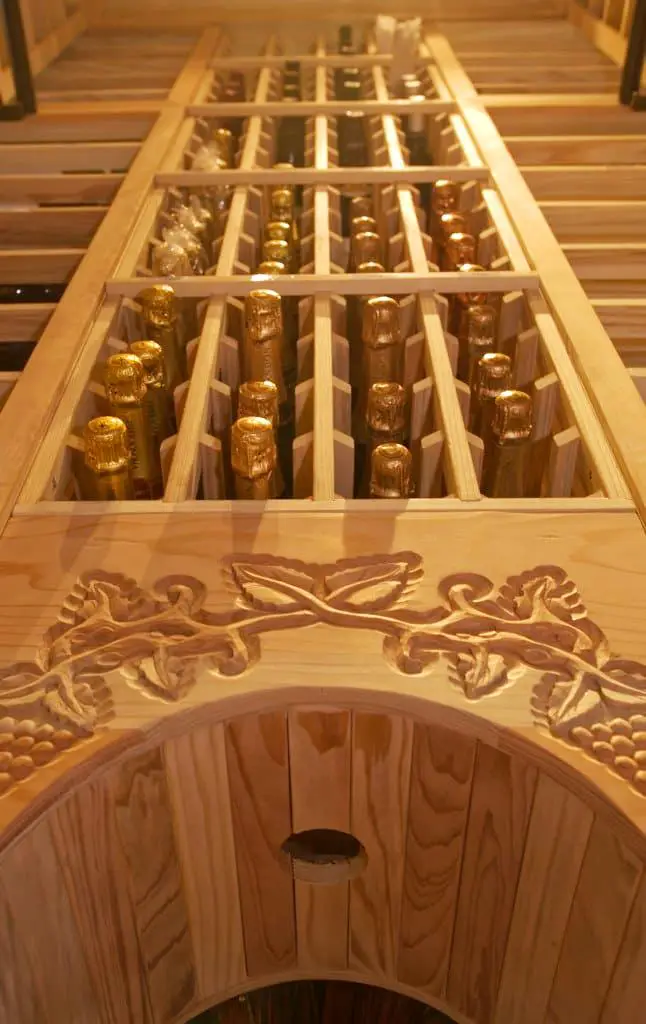
Kessick Estate Design Series are modular wine racks that come in four different pre-fabricated models and configurations. This type of racking system includes arched tabletop, individual bottle storage, diamond and rectangular bin storage, and high reveal display row.
Today, the Estate Series can already be customized such that you can add more or change pieces to fit your storage needs. There is also an option for additional features such as LED lighting, lacquer finish, as well as back and side panels.
Contemporary modular wine racks are also available. These storage and display units feature floor mounted and wall mounted racking systems. No assembly required for these units. They are shipped ready to install. The design format also comes with complete hardware and accessories. The inner and outer part of each module is coated in a black, satin finish.
Kessick wine storage and display units are made from Pine and Sapele Mahogany. Pine is an excellent option for displaying wine bottles in a non-climate controlled environment such as alcoves and small closets. Minimal staining is needed for this wood specie because of its natural grains and patterns that are lovely to look at when raw.
Sapele Mahogany suits the cool and damp conditions of a dedicated wine storage room because this wood variety is naturally resistant to mildew. It is also very durable and stable. Sapele requires no stain since it has rich, deep hues that are strikingly beautiful. It has natural coloring that will eventually darken as it ages.
Kessick wine racks are ideal for both large and small scale storage. These are high quality wood based wine storage solutions that can befit modern themed apartments and wine cellars.
Texas Wine Cellar Builders
Check out the Custom Wine Cellars Dallas Texas complete playlist. Designs, walk in tours Wine Cellar Builders a please to feature the complete list of Dallas based projects.
Dallas Texas Custom Wine Cellars & Design the Feature Pages
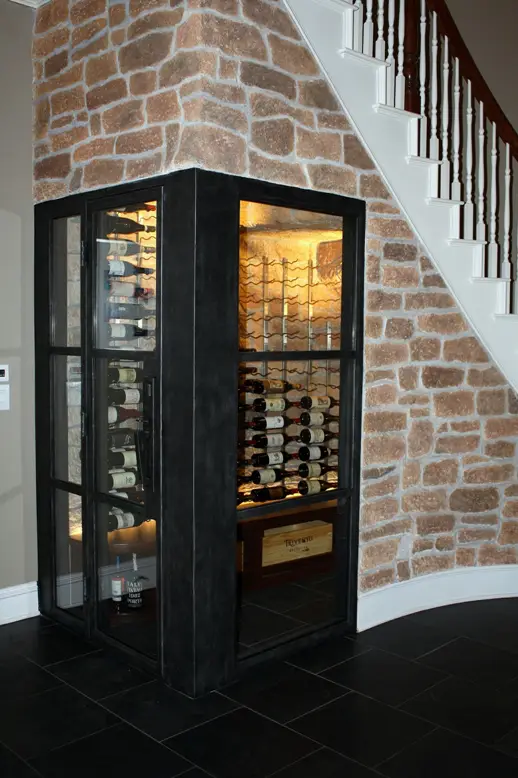
Dallas Texas Design Under Stairs Custom Wine Cellars Builder – Burke
Lyles Custom Wine Cellar – McKinney Nr Dallas, Texas
Residential Custom Wine Cellars Dallas Fort Worth – Westlake
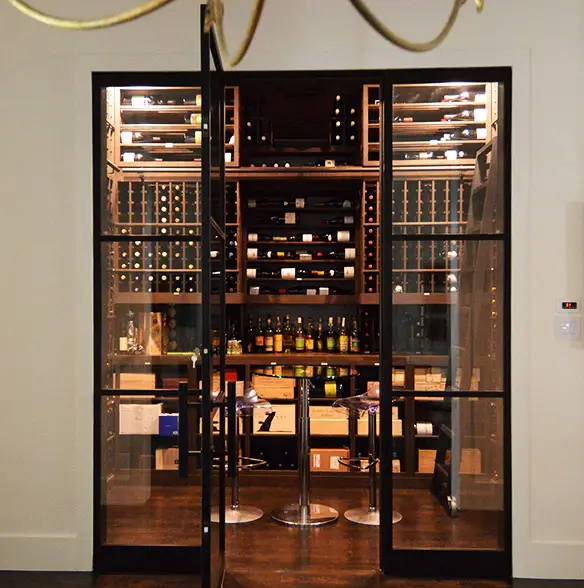
Contemporary Residential Custom Wine Cellars Dallas Texas – Griffith
Mahogany Wine Cellar John’s Dallas Closet Cellar Conversion
Wine Cellars Dallas Texas, Wine Closet Conversion – Howell
Residential Custom Wine Cellars Dallas Texas Lucas – Nelson
See what’s happening in and around Dallas. Wine room designs include design drawings, cooling system details and styling features. Great for ideas. Take advantage of our Free 3D Cellar design drawing package.
There are benefits to installing a wine cellar right in the comfort of your home. For starters, it can raise the value of the real estate property. Residential wine cellars Dallas Texas are a great addition to any home, and they can be a major selling point should the owners decide to put their house on the market.
Another advantage to having a private wine cellar is that it allows collectors to buy wines in bulk. Home wine cellars afford enough space to grow your wine collection, and provide the right climate conditions for wines to age to their full potential. It also offers ease of access to a wide range of varietals at any given time.
Wine cellars also serve as the perfect venue for entertaining friends and hosting wine tasting parties. In fact, wine rooms nowadays are designed not just for storage purposes, but also for entertainment. Modern wine cellars are a picture of elegance and cozy ambiance, which makes them a great place for holding a little soiree with friends and family.
A wine tasting party is an event where people who are passionate about wines come together to talk about their favorite varietals, as well as try out new and unusual tastes that will satisfy their curious palate. There’s more to tasting parties than just knocking back glass after glass of wine. It is a casual setting where everyone can share their wine experiences and knowledge, and also create opportunities to nurture and cultivate friendships.
Hosting a wine tasting party comes in handy when one has access to a residential wine cellar. It can stave off the stress of searching for the best location to conduct the event. Having wine parties in home wine cellars offers a sense of intimacy and quietude not afforded to a commercial space.
Pick a Party Theme
For wine enthusiasts who are keen on throwing their own wine tasting event, there are a few things to keep in mind in order to make the affair memorable. First is to pick a theme for the event. A group may choose to compare and taste an assortment of wines from different varieties or wines from the same grape varieties from different regions.
Once a theme has been picked, the host then decides on what approach to use to explore this idea. One approach could be to host a vertical wine tasting event, which focuses on wines that come from the same winery but produced from different grape varieties. Another angle could be a horizontal tasting party, which involves wines produced from the same grape varieties.
Party Size
Although there is no rule as to how many people can attend a wine tasting party, it is always a good idea to keep the size to a minimum. The size of the group should be enough to taste test one bottle of each wine. A single bottle of wine can pour 12 1.5 ounce tastes. Hence, the ideal party size should be around 12 people. Limiting the number of people in attendance also provides plenty of opportunity to exchange and compare wine tasting notes.
Types of Stemware to Use and Food to Serve
Picking out the right glass stemware is also an important factor. Plastic cups are a no-no unless you’re throwing a frat party. Remember that wine glasses can influence perception and presentation of varietals. Different shapes of glass stemware can enhance the characteristics and aroma of different wines. At a casual wine tasting event, wine glasses need not be stylish but should at least be clear enough to see, smell, swirl, and sip wines.
Pairing food with wines is an excellent ideal. Providing a small selection of finger food appetizers can help intensify the tasting experience. Examples of wine tasting appetizers are cheese plates, cured sausages and meat, bruschetta, and cured olives. Serving bread or crackers can help cleanse the palate between wine tasting. Also, make sure that there is water on hand to keep guests hydrated.
Table Preparations
In order for the color of wines to be seen accurately, the venue for the wine tasting party must be properly illuminated and the table should be covered in white tablecloth. If a white tablecloth is not available, white placemats will do. Paper and pens should also be distributed, so that guests can write down their observations and describe their experiences.
With all these party perks, the event will surely be a success, and your wine cellars will have its memory to share. Enjoy!
Most wine cellars are designed with a climate control system in order to provide optimum conditions for storing and aging wines. Maintaining a climate controlled environment is crucial to the wine aging process because it promotes consistency in temperature and humidity levels, and it is also vital to preventing mold growth inside a wine storage room.
Molds are fungi that grow both indoors and outdoors. They spread rapidly in dark, moist, and humid conditions. Molds generate spores that can be transported by air and water. Mold growth can cause a great deal of damage to the areas or surfaces it lives upon and they can also be detrimental to one’s health when not addressed quickly.
Mold growth may occur in wine cellars when there is inadequate ventilation and lack of proper air flow. One way to avoid mold infestation in dedicated custom wine rooms is to undertake measures to achieve moisture control during the initial construction phase of the wine cellar.
Installing Vapor Barriers to Custom Wine Rooms
Installing vapor barriers is an integral part of the building envelope. The purpose of vapor barriers is to help prevent moisture from seeping in through the walls of the wine cellar. The required climate conditions of a wine cellar can bring about moisture migration. Outfitting wine cellars with these vapor retards can provide the necessary moisture control to arrest condensation build up.
The walls and ceilings of wine cellars also require proper insulation not only to help maintain optimum conditions but also restrict mold growth. A well-insulated wine storage room will help eliminate moisture accumulation in the storage space. The correct way of installing insulation materials is to make sure they lie between the vapor barriers and interior dry wall.
Role of Wine Cellar Cooling Units in Preventing Mold Growth
The function of wine cellar cooling units is to provide the best possible environment for wines, as well as help control moisture. These cooling systems are designed to help keep the temperature between 50 to 59 degrees Fahrenheit, and humidity within 50% to 60%. Keeping the range of temperature and humidity at ideal levels will help wines mature nicely, and at the same time control the rate of moisture.
A wine cellar environment needs to be stabilized because fluctuations in temperature can accelerate the aging process and cause irreversible changes to wines. Exceedingly high temperatures can be a contributing factor in mold infestation as well.
The amount of humidity should also be regulated in order to achieve the ideal storage conditions. Erratic humidity levels can negatively impact the storage environment and the overall condition of wines. Humidity falling below 50% can cause the corks to dry out that can lead to wine spoilage.
If humidity levels go beyond 70%, potential mold problems can occur. When molds are allowed to form inside a custom wine rooms Naperville Illinois, they can spread on wine labels and that can affect their resale value. The presence of molds in the storage space can also cause cork taint in wines. Cork taint is characterized by a musty smell and unpleasant taste in wines.
Other Causes of Mold Growth
Another source of mold growth is water intrusion from flooding, a leaky roof, or a faulty plumbing system. Water damage from these sources can cause molds to grow in hidden areas. When molds are left on their own for a long period of time, the damage may prove too costly to remedy.
Possible water intrusion problems should be addressed during the construction phase of wine cellars, as this can help curtail the growth of molds and help save money down the line. The quality of the roofing material and water pipes should be checked beforehand, so that replacements can be made in case the materials are found damaged or heavily corroded.
The key to preventing the spread of molds in wine cellars is to control moisture. This can only be attained if vapor barriers are installed correctly; the right insulation value is applied to the walls and ceilings; and the proper wine cellar cooling unit is supplied to the storage space.
Investing in a home wine cellar is common nowadays, especially in Dallas, Texas. They provide wines the best storage conditions, add value to your home, allow easy access to your wines, and provide a place to entertain friends. After your residential custom wine cellar is built, it is wise- especially for larger collections- to organize wine bottles in a manner that will allow you can easily find a certain type of wine.
You don’t want your guests to wait for a long time while you’re having difficulty looking for the wine you want to serve. Below are some organization options for your wine collection.
Organize Wines by Brand, Region or Varietal
Storing wines of the same brand in one area of your wine rack is one great way to organize your Dallas Texas wine cellar. This option is ideal if you buy wine in bulk.
Many wine lovers collect wines from different regions. The region from where wine originated contributes a lot to its taste, so in order for you to find a bottle that best pairs with your dish in no time it is recommended that you keep them by region.
If you want to drink a glass of Chardonnay now and a different variety tomorrow, there’s no better way than to store your wines according to varietal. You can separate whites from reds in your wine room.
According to Wine’s Maturity
It is recommended that you keep wines intended to be drunk sooner on one side of your wine room and those that require longer aging periods on the other side. Make sure to keep everyday wines in your wine cellar where they can be accessed easily.
Categorizing your bottles will be easy with bottle tags which can be hung around the wine bottle’s neck. Indicating the brand, varietal, or region on the tag will allow you to easily locate the wine you need without flipping every bottle in your home wine cellar. You may also use color coded tags.
You can get software programs that allow for wine cellar owners to manage and organize their wine collection in a hassle-free way. The wine management system is usually used in commercial wine cellars, but it is now recommended for installation in residential wine cellars for quick inventory of your wine collection.
The most efficient and easiest software to use is the eSommelier wine cellar management system. It allows you to have 24-hour access to your wines and makes inventory and monitoring of wines much more convenient compared to maintaining a spreadsheet.
It also lets you find a wine and the best time to drink it. It comes with a barcode scanner, touch screen interface and barcode printer. Investing in this software will save a lot of time and effort.
With many options for wine cellar organization, it is still you who will decide on how you would like to categorize your wine collection. Just make sure that you will be able to serve the right wine to your guests in a timely manner.
Wines are sensitive to external factors such as temperature, humidity, and light. Proper wine storage requires an environment where climate conditions are monitored and light exposure is kept to a minimum. When stored under the right levels of temperature and humidity, wines will mature accordingly.
Wine cellars are the best location to store and age wines. However, not everyone has the financial capacity to have one installed right in their home. There are other types of wine storage solutions and alternatives available that can accommodate both small and large wine collections.
Refrigerated wine storage cabinets or active wine cabinets can replicate the optimal conditions afforded by a wine cellar on a smaller scale. On the other hand, passive wine cabinets have the absence of temperature and humidity controls, but can nevertheless provide a safe haven for wine bottles in varying storage capacities.
Wine cabinets are the best storage option because they combine all the essential aspects required to allow wines to develop and age fully. Wine storage cabinets are designed to keep the temperature between 50 and 57 degrees Fahrenheit. These cabinets are also engineered to maintain the right amount of humidity to prevent the air from drying out the corks.
Wine cabinets have ventilation systems that allow proper air circulation inside the storage compartments. Lack of ventilation can promote mold infestation and bacteria that can damage corks and wine labels. The presence of molds can also cause odor that can greatly affect the taste and flavor of wines.
Another essential feature of wine storage cabinets is that they provide wine bottles with maximum protection against incandescent light. Wine storage display cabinets are also designed for whisper quiet operation and less vibration. In order for wines to mature nicely, they need to be stored in a stable and calm environment.
In terms of aesthetic quality, wine cabinets come in different designs and features that can suit various storage requirements and complement any interior décor. Most of the cabinets have a combination of a traditional and modern look that allows them to blend well with existing furniture in the room.
There are some important things that need to be considered when purchasing a wine cabinet. The unit must have good insulation and well-sealed doors. UV protective coating is a must if the wine cabinet has glass doors. An efficient wine cabinet should also have interior lights and a retractable shelving system for ease of access.
At Wine Cellar Specialists, they provide refrigerated wine storage cabinets of the highest quality and affordability. They have a wide selection of cabinets that can accommodate your style needs, space requirements, and price range.
Wine Cellar Specialists have wine cabinet experts who can help you decide on the right wine storage display cabinet for your collection. They can also design wine cabinets according to your specifications, for that added custom feel to your storage space.
Check out this line of wine cabinets made by Wine Cellar Specialists:
Wine Cellar SPeCialists Dallas Texas is the recent winner of Houzz’s 2013 “Best of Remodeling” Customer Satisfaction award. The Best of Houzz 2013 award is based on reviews and ratings conducted by Houzz’s more than 11 million monthly users.
The Best of Houzz 2013 award recognizes professionals who come up with unique and inspiring home designs, provide excellent customer service, and timely delivery of high quality results.
There are two categories to Houzz’s Best of Houzz awards: Customer Satisfaction and Design. The winners for the Customer Satisfaction category are rated by homeowners, based on their working experience with remodelers and designers. The works of Design awardees were favored by millions of Houzz users and were added to their personal ideabooks via the Houzz website or mobile apps.
The Houzz platform showcases different works of various top notch professionals like Wine Cellar SPeCialists Dallas in 360-degree imaging. These visuals give homeowners an opportunity to evaluate and determine which home improvement professionals best meet their design objectives. The platform also allows homeowners to interact directly with design professionals.
Best of Houzz 2013 is considered as the benchmark for exceptional renovation and interior decoration of residential structures. Professional images found on personal ideabooks of Houzzers (or Houzz users) serve as strong artistic influences and set a creative trend in the field of remodeling and design around the world.
A closer inspection of Houzz ideabooks will reveal the latest thing in residential decorating: a garage being converted into a home office or playspace; open showers with plenty of natural light and glass doors; outdoor spaces that are equipped with fireplaces and firepits; installing intricate wall treatments on entryways; and laundry rooms that feature stained glass and bold wallpapers to give the space a homey feel.
Wine Cellar SPeCialists Dallas is owned and founded by Nancy Noga. The company specializes in wine cellar design and wine cellar construction for residential and commercial properties. Wine Cellar SPeCialists Dallas provides design and consultation services, construction of custom wine racks, and installation of climate control wine cellar refrigeration, flooring, and cellar doors.
The company has years of experience in the custom wine cellars industry. Wine Cellar SPeCialists Dallas is committed to providing exceptional service and results to their clients. As a testament to their professional diligence, they have reaped awards and accolades over the years for their exquisite wine cellar design. Winning the Best of Houzz 2013 award is another added achievement under their belt.
Houzz was founded in 2009. It is an online photo database of more than one million professional images that aims to guide homeowners in building, renovating, and decorating their properties. They released an iPhone/iPad app as well as an Android version of the software. To date, Houzz has a list of 1.5 million residential remodeling professionals that can help transform dreams into reality which makes Wine Cellar SPeCialist one in 1.5 million!
In a few days, the world will celebrate Valentine’s Day. Gone are the days when the celebration of the day of hearts was exclusive to couples. These days, people give gifts to their loved ones – parents, siblings, spouses, girlfriends/boyfriends and friends – to express their love and affection.
For the wine and wine cellar enthusiast, it is a bit difficult to think of a wine gift other than the obvious (wine, of course!). There are a lot of gift ideas in the market not just to fit the giver’s budget but to satisfy the receiver. Below are just a few of the possible gift ideas for wine lovers.
Corkscrews, corks, decanters, wine glasses, chilling buckets, wineglass charms, and wine bags are just a few gift options for the wine fanatic. A corkscrew can be personalized with the recipient’s initials. Decanters come in many shapes and sizes that cater to varying preferences.
Wine glasses can be stemmed or stemless and usually comes in a set of 4 or 6. A chilling bucket can be simple or elaborate.
Wineglass charms can be plain or a bit fancy. Wine bags that are available on the market can range from tote-style to wheeled and anything in between.
A wine lover can keep some of these accessories in his or her custom wine cellar. Being prepared for any wine tasting event or occasion is important!
2. Gift certificates
Gift certificates come in varying denominations and expiration dates. It is important that the giver considers these variations before making the purchase. The farther the expiration date, the better. It is also a bonus if the gift certificate is honored in many establishments or branches of the wine store or commercial wine cellar to give the recipient an array of choices.
Most enthusiasts will want to know more about their field of interest. Books can be a good source of information that a wine enthusiast must know to live up to the label. Bookstores carry many titles on wine; its history, origin, variety, production, and the like.
For beginners in the world of wine who don’t have their own wine storage room and want to have one, maybe a book about wine cellar design and construction would be a great gift.
4. Wine Cellar Club Memberships
Another way of educating oneself about wines is to join a wine club and learn from fellow enthusiasts and wine experts. Wine club memberships come in different forms.
One can join a Red or White wine club, or the region of preference where their favorite wine comes from. Membership in these clubs can give the enthusiast opportunities to experience wine related activities such as wine tasting.
There are also wine club memberships for a knowledgeable wine enthusiast that can help him in the development or improvement of his or her wine cellar.
These are just a few random gift ideas one can give this Valentine’s Day. No matter what your budget is, there is a perfect gift that your wine enthusiast will greatly appreciate. What’s important is the time, effort, and love poured into the gift by the giver.
Do you love collecting wines but don’t have a residential wine cellar yet? Why not start your wine cellar project today? Contact Wine Cellar Specialists at http://www.winecellarspec.com/contact/ and their wine cellar and wine rack consultant will help your throughout your project.
Although there are various ways of storing your wine collection, wine cellars are considered the best storage solution. The controlled, secure environment of a wine cellar protects wines from the negative influences of light, temperature, and humidity. Storing wines under the right conditions is vital to preserving their taste and flavor over time.
In order for a wine cellar to achieve its maximum potential, there are several elements that need to be considered prior to its actual construction. First is to determine the size and location of the wine cellar. The size of your wine cellar depends on its intended purpose. Will it be solely used for wine storage or will it also serve as a venue for wine tasting parties?
Finding the perfect location for your wine cellar is also essential as this will help you decide which type of wine cellar refrigeration unit to install. Most home wine cellars are constructed above ground; hence, they require efficient insulation and vapor barriers to maintain the required climate conditions.
The next element to consider is the storage capacity of your wine cellar. Consider the number of wine bottles you currently have in your inventory and how many bottles you intend to add in the future. A ballpark estimate of your wine collection will also help you determine the type of racking system to install.
Wine racks are an important aspect of cellaring wines. Racking systems are designed to store wine bottles at an angle that keeps the cork in constant contact with the wine. Storage racks are available in different sizes and styles that can suit various needs and requirements.
Although most wine racks come in pre-fabricated designs for easy installation, there is also an option to have them custom built. Custom wine racks are specifically built to fit your wine cellar, taking into account the architectural structure and constraints of your storage space. Custom racking systems may be an expensive storage solution, but will nevertheless provide a unique flair to your wine cellar.
Another element to consider is the kind of door for your wine cellar. Since cellar doors serve as the entryway to your wine enclave, it should be functional and aesthetically pleasing at the same time. Wine cellar doors are made out of wood, glass, and wrought iron. These doors need to have an airtight seal to help keep the correct level of temperature and humidity inside the wine cellar.
Choosing the proper flooring material for your wine cellar is equally important. The flooring surface must be strong and durable to withstand the combined weight of the racking systems and cabinetry. Wood, cork, tile, stone, and recycled wine barrels are common materials used in wine cellar flooring.
The last element to consider is the lighting system. Lighting elements allow you to highlight and feature your favorite wine labels. LED based lighting solutions are most appropriate for wine cellar use since they emit less heat compared to regular light bulbs.
There are benefits to installing dimmer switches and light timers in your wine cellar. Dimmer switches allow you to control the level of brightness in your wine storage room. Light timers are energy savers and they prevent continuous light exposure.
Consult a professional wine cellar expert when venturing into a wine cellar project. Custom Wine Cellars SPecialists have the expertise and knowledge in designing, constructing, and installing wine cellars. They will work closely with clients throughout the entire process – from conceptualization to construction.

Unoaked wines are widely produced by many winemakers and are present in almost every residential wine cellar.
Many people choose to collect wines because for them, wine is already a part of their lives and it makes any wine drinking experience more enjoyable. Increased knowledge of wines is important, whether you are just starting a wine collection or you already have a large number of wines stored in your residential wine cellar.
One of the most interesting topics in the wine world is about unoaked wines. Many people might be wondering what unoaked wines are and their characteristics. This article will discuss unoaked wines, particularly Chardonnay.
Traditionally, wines are allowed to ferment in wine oak barrels, which create the flavors and bouquet of the finished wine. Oak barrels help balance the tannins in wine, enhance the texture and add a little spice and some sweet vanillin characters to the wine.
The wine making process has evolved so much as time has gone by. Some winemakers even deviated from tradition to discover “naked” wines.
“Naked wine” is a term for unoaked wine, or wine that has never been aged inside an oak barrel. Production of unoaked wines involves a cost effective process using a stainless barrel instead of the more traditional oak barrel. Steel aging brings out the true flavor, without the influence of oak barrels.
In unoaked wines, the natural flavors of grapes and elements of the soil from which they are grown are emphasized. Unoaked wine is perfect as a table or dessert wine because of its light flavor. It is perfect for people who cannot drink wine with high tannin content.
If wine is unoaked, the tannin level is lowered, making the wine bearable to drink. Many consumers enjoy a lighter and fruitier wine without the influence of the oak barrels, which is why unoaked wines are widely produced by many winemakers and are present in almost every wine cellar.
We cannot deny that unoaked wines are gaining popularity in the US. One of the most popular non-oaked wines in the US, especially in California, is the unoaked Chardonnay, which was originally popularized by Chablis.
When Chardonnay is fermented and aged in steel wine barrels, it is unoaked or un-wooded. Unoaked Chardonnay has light and delicate flavors, making it more versatile in food pairing compared to oaked Chardonnay.
The true characteristics and crisp fruit flavor of wine will emerge if it is not fermented or aged in oak barrels, which is why some winemakers choose not to oak wines. There’s nothing better than ending a stressful day with a glass of unoaked Chardonnay from your home wine cellar.
Wine Cellar Specialists, Dallas based wine cellar builders are proud to announce that we were winners of a 2012 Dallas Builders Association Award. The award was given for our innovative Custom Wine Cellars Project described below. This award is given to Dallas based Associates, Remodelers and Custom Builders for both custom building and renovation work.
See the Full Project Page – Custom Wine Cellars Dallas– Frisco, Texas
This wine room renovation project was a former kitchen pantry. After removing the shelving, walls and ceiling, we installed the lines for a split purpose built wine cellar cooling system with the evaporator coil inside the cellar (hidden by a grill cover and box that matches the racks) and a compressor in the garage.
At Wine Cellar Specialists we always ensure that our wine cellars are built to last, efficient and trouble free. To that end we added a vapor barrier and insulation as well as green board interior walls. The wine room’s walls were also painted with a latex paint of the homeowner’s choice of color.
We supplied a special wine cellar door with operable wrought iron in red oak. We custom matched the stain color to the existing kitchen cabinets to create a seamless and great look.
The custom wine racking design was custom manufactured in mahogany and finished with a clear satin lacquer. We used a waterfall rack on the left side of the wine storage area. A solid double deep ‘X’ bin with tabletop, finished off with a horizontal display rack. 750 ml individual bottle racks with a high reveal display row. We included a tall single deep solid horizontal display rack on the right wall, under the grill cover and box which hides the cooling system.
2012 Dallas Builders Association ARC Awards
The Dallas Builders Association, originally chartered in 1944, is a local trade association representing all segments of the residential building industry in the Metropolitan Dallas area. Their mission, to enhance their members’ ability to provide safe, affordable, quality housing to citizens in local communities is one we are proud to add value to. The Association is chartered by the State of Texas as a non-profit trade organization.

The Dallas Builders Association Primary Activities Include:
Promoting positive public policy through active participation in the legislative and regulatory processes- Providing industry information and education to the members and the public
- Enhancing the positive image of the industry and the members through training and encouraging ethical behavior and professional standards
- Making membership in the Association an essential element of a successful residential building industry company.
Residential custom wine cellars are a place for you as an avid wine collector, to display your wine collection as well as to store and age your wines over time. As your wine collection grows your wine cellar is likely to have a mix of wines from different regions, wines that you will want to age over the longer term and some that will be intended to be consumed over a much shorter period.
As part of the management of your wine cellar there are many factors that can influence the preservation and aging of wine. In this article we are going to discuss the role different types of cork can play in this process.
Cork is used in a variety of products, the most common of which being the wine cork. It is considered the most suitable material for bottle stoppers on wine bottles because of its structure and component materials. The mechanical and physical properties that make cork the most preferred wine bottle closure include resiliency, low density, impermeability, flexibility, temperature and age stability, adherence and biodegradability.
Wine cork is essential to the graceful aging of wines in your wine cellar. It prevents oxygen from spoiling the wine in subsequent storage.
In order for cork to serve its purpose in wine storage, wines should be positioned in wine racks the right way. It is also essential to use the ideal wine cellar cooling units to ensure that the right humidity level in the wine cellar is maintained. This will prevent the cork from drying out and shrinking, thus reducing the possibility of oxidation, which causes wine spoilage.
There are different types of wine corks used by winemakers. The most well-known are the natural wine corks. These wine corks are derived from the best quality cork oak periderm or bark and are washed, carefully inspected for flaws, sterilized and printed.
Natural wine corks enable wine to mature slowly because they are able to seal it for a considerable length of time. They are most suitable for bold red wines intended for long term storage.
Corks which are popular for their affordability are agglomerated wine corks. They are low cost because they are made from clean natural cork grains. These grains are formed into dense corks by mixing them with food grade glue. They assure good sealing for wines intended to be stored from 12-18 months.
Another type of wine cork that fits ice wine bottles with a narrow neck is the ice wine natural cork. These corks are smaller than natural wine corks and are specifically sized to withstand high sugar content.
Pore-filled natural wine corks are called colmated wine corks. Their pores, or, lenticels, are preserved carefully with cork dust or cork grains. These grains are gathered and attached to the lenticels of colmated cork stoppers by using rubber glues (FDA authorized) or natural resin glues.
Synthetic wine corks are considered to provide a good seal to wines since they don’t harbor bacteria, which is why some wineries prefer to use this type of cork. The advantage of synthetic wine corks is their availability to be manufactured in different colors, thus allowing flexibility in packaging.
Double disc corks, also known as 1+1 corks or twin pop corks, are a combination of natural corks and agglomerated corks. The main advantage of this type of cork is the consistency in quality, density, price and function which make double disc corks widely used in bottling commercial wines.
When selecting wine for long term preservation and aging of your wines in your custom wine cellar, take into account the type of cork that was used to seal the wine and when making this decision. Wines that have been sealed with low-end porous corks are likely to be less suitable for long term storage.
Wine Coolers are designed to maintain wine at the proper serving temperature. They have wide temperature fluctuations and lack the high humidity, low vibration and low light conditions that are provided by Wine Cabinets. The temperatures are set at a cooler temperature for whites and a warmer temperature for reds. Many Wine Coolers are duel zone for this reason.
Wine Cabinets are designed for storage and aging at 55 to 60 degrees. This temperature range is warmer than the serving temperature for white wines and cooler than the serving temperature for reds. It is suggested that if you want to drink a wine directly from a Wine Cabinet, that you place a white wine in an ice bucket for a few minutes before serving or allow the red wine to warm up out of the cabinet. Proper aging also requires the storage cabinet have low vibration, low light and proper humidity, as well as proper storage temperatures.
Multi-Temperature Wine Cabinets are somewhat of a combination of the two. They have a small section usually at the bottom that is cooler for white wine serving temperatures, they have a small section usually at the top that is warmer for red wine serving temperatures, and there is a larger section usually in the center that maintains the 55-60 degree range for storage.
The majority of people who store their wines in a cooled environment opt for a traditional Wine Cabinet. However, it is important to look at your wine drinking trend and decide for yourself if you want to store your wines for aging or do you just want to have them ready to drink within a shorter period of time.
With several types of wine available, pairing wine with food needs careful attention in order to bring out the best in each combination. There are no rules when pairing wines with food, only suggestions. Always keep in mind that the best match is determined by your personal preference. Food can either contradict or complement wines. In your quest to pair wine with food, you must consider several factors for both wine and food.
For some wines, finding the perfect food match can be difficult. However, there are wines which are especially food-friendly, such as Riesling. This wine is often found in the wine cellars of those who want to find ease in choosing the right wine and food pair during dinner parties.
Riesling wines are produced from Riesling grapes, which originate in the Rhine region of Germany. Riesling is characterized by flowery, fruity and fragrant aromas. On the palate, Riesling wines highlight the pear, citrus, apple and peach flavors. They also exhibit mineral flavors, which they tend to get from their native soils.
Any food pairing can be successful if the wine’s intensity, acidity, alcohol and degree of sweetness are taken into consideration. Rieslings are known for their out-going character or versatility when it comes to food pairing. Rieslings are sweet, crisp, light bodied and have balance of sugar and acidity, as well as relatively low alcohol content.
The high acidity in Riesling wines increases saliva production in the mouth, causing you to want to eat more. German Rieslings that have high acidity go well with saucy dishes and fatty foods. This is why they can be paired with an array of foods such as appetizers, pork, poultry and mild fish. Riesling is also prefect for contrasting dishes such as sweet and spicy. Dry Riesling wine matches well with chicken and seafood, while sweet varieties go well with desserts.
In Germany, off-dry Rieslings are slightly sweet (classified as Spatlese or Kabinett). They are best paired with salty foods, spicy dishes and sweeter vegetables like corn, sweet potatoes, turnips and yams. Never match red meat with dry or off-dry Riesling, since its flavors can overpower that of the Riesling.
During light summer months, many of us love to have outdoor activities or have picnics with family and friends. We often grill fish and other seafood, which are best served with Riesling.
For wine cellar owners, make sure that you include Rieslings in your collection so that you can serve your guests with a wide range of food and grab a versatile wine.
You can also try pairing Riesling with other foods. Remember that your own palate will still be the biggest factor in a successful matching of wine and food. What matters most is that the pairing should enhance your wine drinking experience.
Wine lovers, people who enjoy collecting wine and holding wine tasting parties are generally on the increase. All over the country we notice this phenomenon, wine cellar builders and designers are busy.
The demand though for custom wine cellars in both residential and commercial properties such as specialist wine stores is particularly strong in the Chicago, Illinois area.
What is causing wine lovers to congregate around Chicago is a mystery to us. Do you have an opinion? Share it with us in the comments section below.
Watch the video below for some examples of recent Chicago residential wine cellars and commercial rooms we have design and constructed in the Chicago area.
Wine Cellar Specialists Chicago’s most experienced Wine Cellar Designers
More and more wine storage racks with different styles are being created and offered on the market. This may interest some wine enthusiasts, but can be bothersome for those who have difficulty choosing the best one for their storage needs.
Here at Wine Cellar Specialists, we offer various designs of custom wine racks to cater to different wine storage needs. Know which one suits your needs best.
Our traditional wine racks offer the most design options. We offer them in 6’, 7’ and 8’ height, which are available in one-column to ten-column options.
You can choose our traditional wine racks with display rows if you want to showcase some of your favorite wines.
Cost-effective and stylish, our modular wine racks are actually Kessick Estate Design (KED) series. This type of wine rack features 4 groups of pre-designed wine racks, with each module having the same height (84 ¾ inches) and depth (12 inches), and varying widths. These modular wine racks include the following design configurations:
- X-shaped wine storage bin

- Rectangular storage bin
- Mahogany table top
- Arched center
- Hanging wine glass display
- Display rows
- Magnum bottle storage
- Pre-installed lighting
If you want wine racks that can stand alone or be stacked on top of another, choose stackable wine racks. You can extend the height of a stackable wine rack by adding an extender rack.
Double deep wine racks have the same configurations as those of the traditional wine racks, except that they are
23 inches deep. If you want to add more storage space in the future, you may purchase bin extenders or cubicle extenders separately.
We have also designed double deep wine racks for magnum and large Champagne bottles, as well as for split or half bottles.
Commercial wine racks are specially created for wine storage at wine stores, wine bars, hospitality settings, restaurants and the like. The wine bottles are stored in such a way that the labels are easily readable and accessible, to allow buyers to determine their preferences.
Click here to view our wine racks gallery.
You may also check out one of our wine cellar projects installed in Atlanta, Georgia. We used various custom wine racks for this wine room, which produced a stunning result.
In the production of sparkling wine in every major wine-producing country in the world, the most important grape varieties used are Pinot Noir, Chardonnay and Pinot Meunier. Different methods are also used by different winemakers depending on their preference and the laws of their region. Sparkling wines are mostly pink, white or red. Sparkling wines’ sweetness varies from bottle to bottle and can be categorized as brut, extra brut, extra dry, sec and demi-sec.
It can be paired with a variety of foods including seafood, poultry and some desserts such as fruit salad, tiramisu and chocolate mousse. It appears fizzy because of the significant levels of carbon dioxide (CO2) in it.
The most popular type of sparkling wine is Champagne which is only produced in the Champagne region of France. The first Champagne was made in the 17th century. It is called spumante in Italy, Sekt in Germany and Austria, cap classique in South Africa and cava in Spain.
So what makes sparkling wine different from other table wines? It is the bubbles and the process used to make it bubbly. Many people love to drink sparkling wine, but only a few know the mystery behind its bubbles.
In the first stage of making sparkling wine, base or still wine (no bubbles) is produced and blended until the desired taste and aroma have been created. During the second fermentation process in sparkling wine production, the bubbles are generated in either a specially designed tank or in the bottle.
The winemaker adds a small amount of sugar and yeast to the blended base wine, which are converted to carbon dioxide trapping millions of bubbles in a very small space. The carbon dioxide is released in the liquid to produce a “sparkle.”
If CO2 is released too fast, the flavor of the sparkling wine fades quickly. In order to preserve the carbon dioxide in the wine, you should not pour the liquid straight into the center of the wine glass. Instead, you should pour it down the side of a glass which is ideally at an angle of 45 degrees.
Storing sparkling wines requires extra care since they are more sensitive to light than other table wines. They should be stored in a wine cellar, wine refrigerator or any location where the temperature is around 45 degrees Fahrenheit.
This will prevent overly aggressive bubbles. Sparkling wines must be placed on the lowest shelf of the wine racks because they are susceptible to heat and light. Since heat rises, wines requiring the lowest temperature should sit at the lowest temperature. Unlike regular bottles of wine they can be stored upright so that the carbon dioxide can form a ring at the neck of the bottle, thus protecting the wine from unwanted air.
Since sparkling wines don’t improve with age, they should be consumed within 1 year of purchase. When you are planning a celebration with your family and friends, keep the sparkling wine in a fridge for a day or two.
The serving temperature affects the rate at which bubbles are released. Sparkling wines should be served chilled, with the temperature between 42-52°F to steadily release bubbles.
When creating this special wine, winemakers have different preferences in sparkling wine style. Some want a more delicate and less flavorful style while others prefer the strong flavors of oak, aged wine or yeast. The 3 key production methods used in the secondary fermentation are traditional method, transfer method and Charmat Method.
Next time you have a celebration, you will feel proud because you know why the sparkling wine in your glass is bubbly. Enjoy every tingly bubble in it!
The process of designing and building your own wine cellar can be complex and tedious, but with the help of Wine Cellar Specialists, the fulfillment of your dream wine cellar becomes easier and more enjoyable too. Let us discuss one by one the wine cellar projects we have done for clients who once only dreamed, but are now relishing the beauty and comfort of their own wine cellars.
We have created various types of wine cellars (traditional and modern) for wine stores, hotels, restaurants and residences in different parts of Texas and Chicago as well as many other areas of the country. As a rule, we always try to make every project as unique as possible.
We begin the wine cellar design process by assigning our clients a specialist who will be guiding and working with you from the beginning to the completion of your wine cellar project, and even after that. A free consultation will be given to make the clients understand the whole concept of wine storage.
One of the most interesting wine cellar projects we did was the Anil Custom Wine Cellar Naperville, Illinois. The wine cellar is built in the entertainment and bar area, where the space is a bit small.
The Anil project was actually a closet conversion type. We carefully planned the set up and made sure that the small space provided would be effectively converted to an elegant wine storage area. With the challenge of having a limited space, we were able to create a wine cellar that can house up to 497 wine bottles with the added lighting effect and wine racks made of premium redwood.
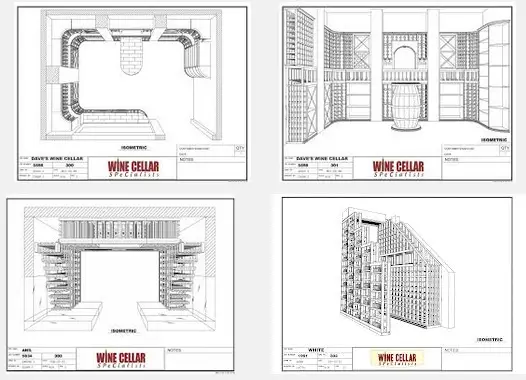
Another exciting project we had was Dave’s Custom Wine Cellar, which was constructed in the basement of his beautiful home in Palos
Heights, Illinois. This custom wine cellar is constructed with Premium Redwood custom wine racks. The choice of wine rack designs add elegance to this wine room and they include curved true radius solid x bins, corner wine racks and solid archway with led lighting and display rows. Wine Cellar Specialists further enhanced the look of the wine cellar by using the client’s own wine barrel, making it into a table top and a peninsula type of tasting table.
A contemporary residential wine cellardesign is the inspiration of the Griffith Dallas Texas Custom Wine Cellar project.
The challenge in this project was the small closet space that we had to work with. WCS and the client decided to go for a contemporary style by using metal wine racks in black with a fully climate controlled system. The metal wine racks are ideal space savers and they create a modern look of wine storage where the wine racking system stores wines from floor to ceiling.Wine Cellar Specialists created a lot of other unique custom wine cellars in Illinois, Texas, Washington, Atlanta, New Jersey, Michigan and more. Check them out here:
http://www.winecellarspec.com/custom-wine-cellar-dallas-texas-closet-john/
http://www.winecellarspec.com/commercial-wine-cellar-chicago-illinois-fairmont/
http://www.winecellarspec.com/custom-wine-cellars-memphis-tennessee-woods/
Besides grapes, there are many other fruits that can be made into surprisingly delicious wines. Wine collectors, often with whole room residential custom wine cellars dedicated to their collections are finding these can make a great addition to the diversity of their collections.
Crops typically used in making fruit wines include apples, plums, raspberries, cherries, peaches, blackberries, pineapples, pears and even watermelons. Should you attempt to make these types of wines yourself it’s important to make sure you pick overripe fruits but avoid those with too many bruises.
Fruit wines can be made from any plant matter capable of being fermented. In order to achieve the desired taste and aroma, some of these products need honey or sugar to be added to them. Fruit wine making involves many of the same techniques used in making grape wines. When made commercially there is a machine that gets rid of the stalks and washes off the bugs etc. and in some wineries juice is separated from the skins through a crusher.
The fruit juice is then put into a fermenting container. Yeast can be found naturally in some fruits (such as grapes) and can also be produced through laboratory processes on other fruits. Yeast consumes the available sugar in juice and converts that sugar into 50% alcohol. The process called Chaptalization helps increase the alcohol content of the finished wine.
The fermentation process then begins. Most winemakers leave the pulp in the juice for the first 7 days to add character and deepen the wine’s color.
In the process of making fruit wines, there are necessary adjustments that must be made to the acidity of the fruit juice, the amount of fruit used per gallon, and the amount of available sugar. Sometimes, tannin or acid must be added to balance the taste, thus producing great tasting fruit wines at the standard you expect for your wine cellar.
The wine-making hydrometer is a device that not only helps determine the amount of sugar in your juice, but the amount of sugar needed to provide the sweetness you want in your wine and the amount of alcohol that sugar can produce as well.
Typically non-grape-based wines cannot be stored for a very long time. Some need to be consumed within 12 months of their production because they lack the natural yeast present in grapes. This potentially limited aging and life span should be taken into account when racking in your wine room. In order to promote further fermentation, phosphorus, nitrogen or potassium must be added.
An example of fruit wine is plum wine, which is famous in Korea and Japan. Other popular fruit wines include pineapple wine, cherry wine, banana wine, raspberry wine and apple wine.
Fruit wines are perfect for any occasion, an excellent addition to your wine rooms‘ selection and can provide unique flavors and aromas. You can even make fruit wines at home by following simple wine making processes.
In wine making, the juice must be extracted from the grapes and you must have the skill, time and fine blend of fruits to make great tasting wines. Pressing is one of the processes involved in wine making, which is the act of applying pressure to grapes or other fruits to separate juice or wine from them and their skins.
Most wineries use a device called the wine press to increase their production per ton. The amount of juice produced from pressing makes up about 30% of the total juice volume from grapes. Before the arrival of modern wine making, winemakers pressed grapes in a large basin using their feet. Take a look below at the different styles of wine presses which help in the production of high quality wines (especially those that deserve to be stored in a functional custom wine cellar).
Basket Press
The first type of wine press was the basket style press which is one of the oldest means of extracting grape juice. Most basket presses are made of wood and are manually operated. The operator of a basket press throws batches of grapes into the basket (or a cylinder of wooden slats), positions the top plate in its proper place and slowly lowers it down until the juice flows from the wooden slats. With enough pressure, the grapes are crushed and the grape juice is extracted from them leaving the skins, stems, seeds, and pulp of the fruit also known as pomace.
The main advantage of the basket press is its ability to reduce the filtering needed for the finished product and to lessen the bitterness caused by seeds and stems. Another benefit of this style of wine press is its affordability.
Bladder Press
The bladder press makes use of household water pressure through a garden hose to expand a bladder located in the center of the press. It has a large cylinder closed at each end, where the fruits are loaded into. As the bladder expands, it pushes and presses the grapes against the sides.
Bladder presses are popular for the high quality wines they can produce. They are also known to be gentler to the grapes compared to basket presses. By using a bladder press, the astringency is reduced because it doesn’t crack the seeds. Other advantages of bladder presses include less physical effort required to operate, they can be moved around easily because of its light weight and they are easy to sanitize.
Horizontal Screw Press
The principle used in a horizontal screw press is the same as that of the basket press. Grapes are squeezed not by bringing down a plate from above but by bringing down plates from either side of a closed cylinder. It can handle far more grapes compared to the basket press and bladder press. Only medium pressure is required in using this device.
Other styles of wine presses which provide lots of benefits to winemakers include the continuous screw press, vertical screw press and pneumatic press. Whichever press you want to use in wine making, make sure that the right amount of pressure is used to produce high quality wines for your wine cellar.