

Proper Wine Cellar Insulation Protects Your Texas Wine Collection for Generations
At Wine Cellar Specialists, we understand that exceptional wine deserves exceptional storage. One of the most critical elements in preserving the integrity, flavor profile, and long-term value of a wine collection is maintaining a stable, climate-controlled wine storage environment. Without proper insulation, even the finest residential wine cellars can experience temperature fluctuations and humidity inconsistencies that compromise the aging process and damage valuable vintages.
As experienced builders of luxury wine cellar design projects throughout Texas and across the country, we ensure every custom wine cellar we create is engineered for optimal performance, efficiency, and long-term wine preservation.
Why Proper Wine Cellar Insulation Matters
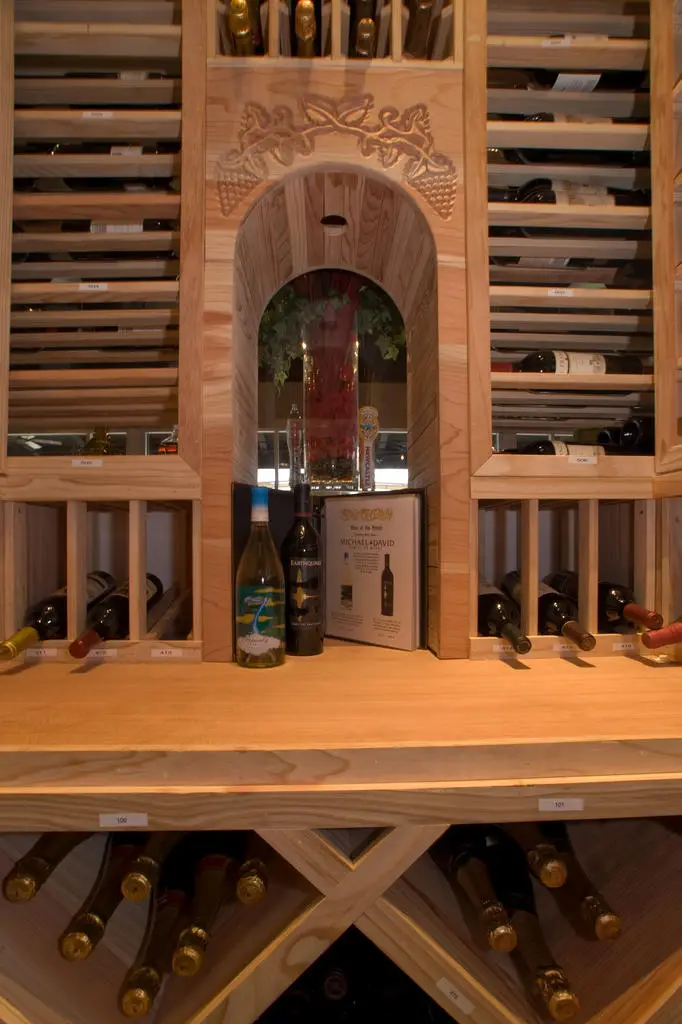
Proper Wine Cellar Insulation Will Protect the Quality of Wine
Wine is highly sensitive to environmental changes. Inadequate insulation can allow heat, moisture, and air infiltration to disrupt the delicate balance required for proper wine aging.
A professionally insulated refrigerated wine cellar helps maintain ideal storage conditions while allowing the cooling system to function efficiently and consistently.
For wine to preserve its complex aromas, structure, and flavor characteristics, the temperature and humidity inside the cellar must remain within carefully controlled ranges.
In properly designed climate-controlled wine storage systems, temperatures should typically remain between 55 and 60 degrees Fahrenheit, while humidity levels should stay between 50% and 75%.
Humidity levels below 50% can dry out corks, allowing oxygen to seep into bottles and spoil the wine. Excess humidity above 75% may damage labels and encourage mold or mildew growth.
This is why proper insulation and vapor barriers are essential components in every luxury residential wine cellar we build.
The Importance of Vapor Barriers and Insulation in Custom Wine Cellars
At Wine Cellar Specialists, we carefully engineer every wine room with the correct insulation and vapor barrier system after framing, electrical work, and cooling rough-ins are completed.
Proper wine cellar construction requires:
- Correct vapor barriers and insulation in all walls and ceilings
- Exterior-grade wine cellar doors
- Proper floor insulation or slab vapor protection
- Fully sealed wine rooms for cooling efficiency
- Insulated and weather-stripped entry systems
If the wine cellar floor is above ground level and not built on a slab foundation, it must include the appropriate vapor barrier and insulation. For slab foundations, we typically apply a liquid vapor barrier before installing flooring materials.
The more effectively a wine cellar is insulated and sealed, the more efficiently the cooling unit can perform. When designing our custom wine cellars, we always evaluate the insulation specifications before recommending the appropriate refrigeration system.
Recommended Insulation Specifications for Luxury Wine Cellars
To achieve maximum performance and efficiency in residential wine cellars, we recommend the following insulation standards:
Exterior Walls, Ceilings, and Floors
- 5 to 5½ inches of closed-cell spray foam insulation
- Or R-30 insulation values
Interior Walls
- 3 to 3½ inches of closed-cell spray foam insulation
- Or R-19 insulation values
These specifications help create a highly stable climate-controlled wine storage environment while improving energy efficiency and reducing stress on refrigeration equipment.
Closed-Cell Spray Foam Insulation for Superior Wine Storage Performance
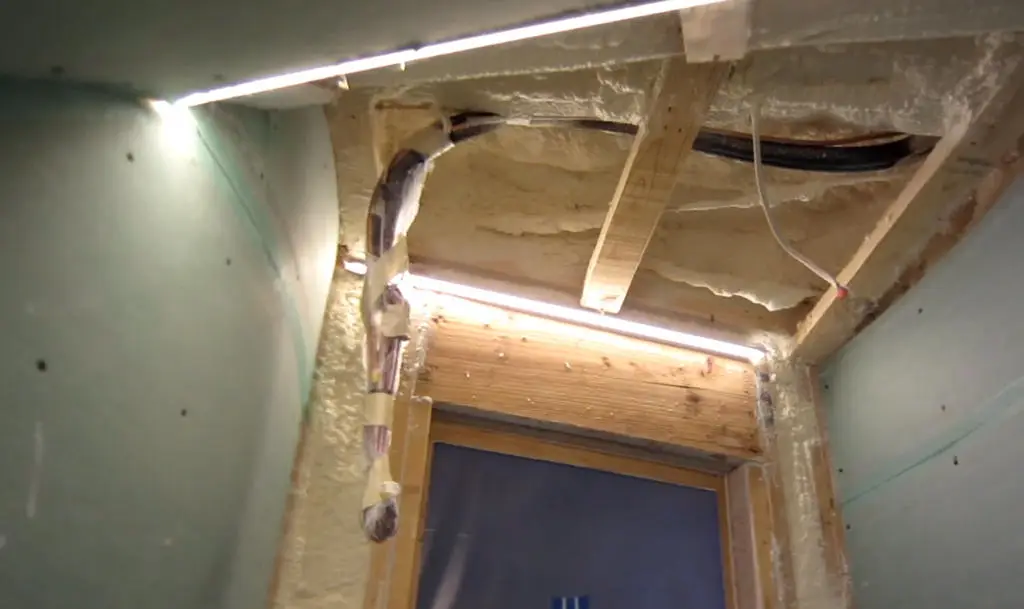
Wine Cellar Insulation of Walls and Ceiling Will Benefit Your Wine
At Wine Cellar Specialists, we strongly recommend closed-cell spray foam insulation for walls and ceilings in refrigerated wine rooms.
This premium insulation system expands into foam after application, creating an airtight seal that serves as both an insulator and vapor barrier.
Because the spray foam itself functions as a vapor barrier, no additional vapor barrier material is typically required.
Closed-cell spray foam insulation offers several advantages for custom wine cellar construction:
- Exceptional thermal performance
- Airtight environmental sealing
- Superior humidity control
- Increased energy efficiency
- Reduced operating costs
- Enhanced cooling system performance
- Long-term protection for wine collections
In many cases, properly insulated wine rooms allow homeowners to use smaller refrigeration systems, resulting in additional equipment savings without sacrificing performance.
Closed-Cell Foam Insulation Maximizes Efficiency
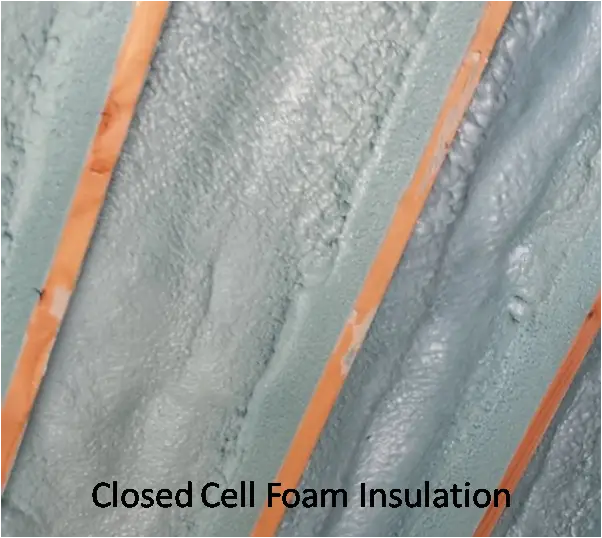
Closed Cell Spray Foam Wine Cellar Insulation Texas
The compact cellular structure of closed-cell foam insulation creates a durable, airtight barrier that prevents warm air infiltration into the wine cellar.
This insulation system also offers additional structural benefits, including improved wall rigidity and enhanced R-value performance in shallow wall cavities. With a density of approximately two pounds per cubic foot, closed-cell foam provides exceptional durability and long-lasting efficiency.
Its low moisture vapor permeability also makes it highly resistant to water intrusion and environmental damage. Additionally, contaminants such as dust and pollen are less likely to enter wine rooms insulated with closed-cell foam systems.
Wine Cellar Door and Flooring Insulation
In luxury wine cellar design, insulation extends far beyond the walls
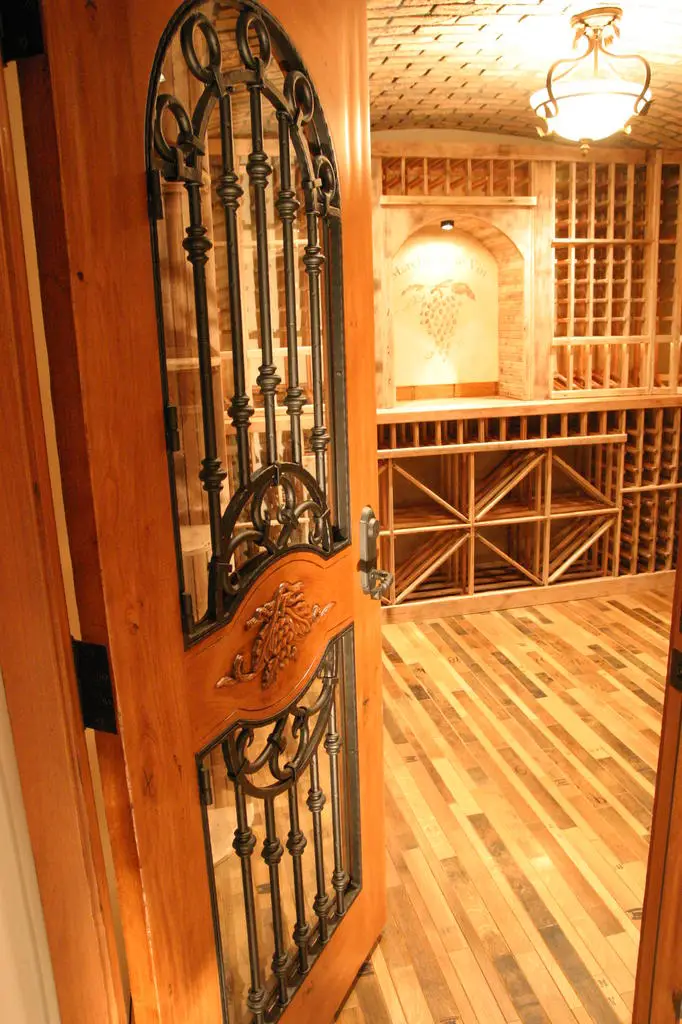
Wine Cellar Door and Flooring Must Be Insulated
and ceiling. Doors and flooring systems also play a major role in preserving stable cellar conditions.
Exterior-Grade Wine Cellar Doors
At Wine Cellar Specialists, we offer several premium door options for residential wine cellars, including:
- Wood wine cellar doors
- Iron wine cellar doors
- Aluminum wine cellar doors
- Stainless steel wine cellar doors
Our wood doors are constructed using exterior-grade LVL construction with a thickness of 1¾ inches, making them highly resistant to warping in high-humidity environments. Many door systems also include automatic door bottom options for enhanced sealing performance.
Our insulated iron doors are engineered differently from many standard iron doors on the market. The insulated tubing and weather-stripped construction help maintain consistent wine cellar conditions while enhancing energy efficiency.
All of our doors feature:
- Full weather stripping
- Exterior-grade construction
- Dual-pane tempered glass when glass is incorporated
- Optional automatic door bottoms
Flooring Requirements for Climate-Controlled Wine Storage
Floor insulation is another critical component in custom wine cellar construction. For above-ground flooring systems, we recommend R-30 insulation beneath the floor assembly.
For slab foundations, we apply a liquid vapor barrier before flooring installation to prevent moisture migration into the cellar environment.
We also advise against carpet flooring in cooled wine rooms, as carpet can encourage mold growth in high-humidity environments.