
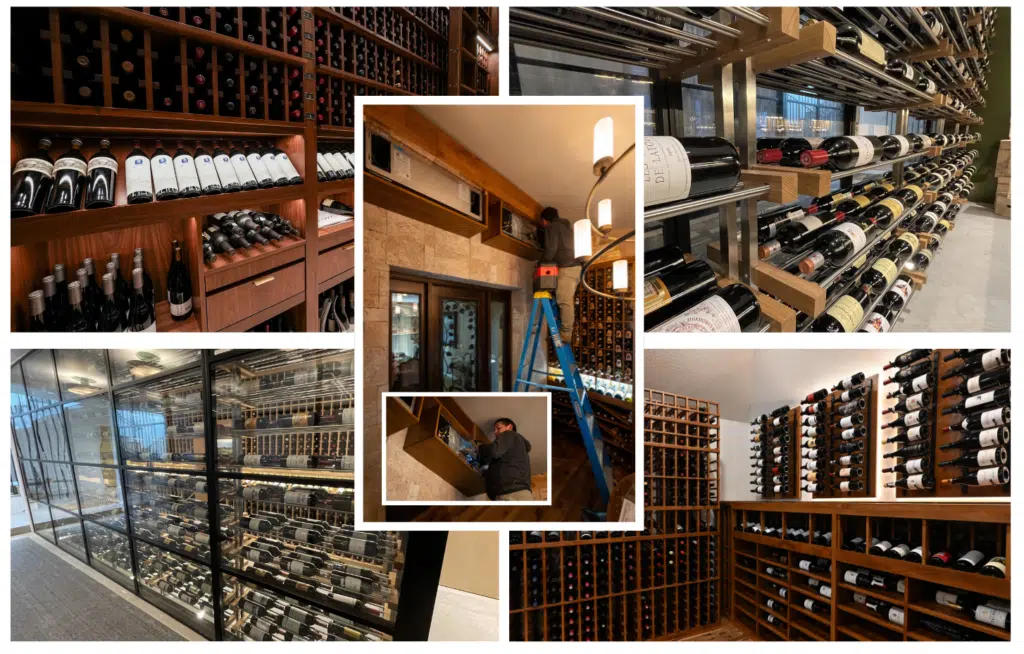
Expertly designed custom wine cellars featuring premium wine racks, elegant lighting, and luxury finishes for the ultimate wine storage experience.
Custom wine cellars are among the most desirable features in luxury homes, upscale restaurants, boutique hotels, and private clubs.
More than just storage areas, custom wine cellars are carefully planned environments that preserve wine collections while serving as stunning architectural focal points.
Building custom wine cellars requires expertise in wine cellar design, premium materials, specialized storage systems, and climate control solutions.
Whether the goal is to create a sophisticated residential showcase or a commercial wine display, every element must work together to achieve both beauty and functionality.
Understanding what goes into the design and construction process can help homeowners, business owners, and wine collectors create custom wine cellars that reflect their style and collection requirements.
Custom Wine Cellars Begin with the Right Wine Cellar Design
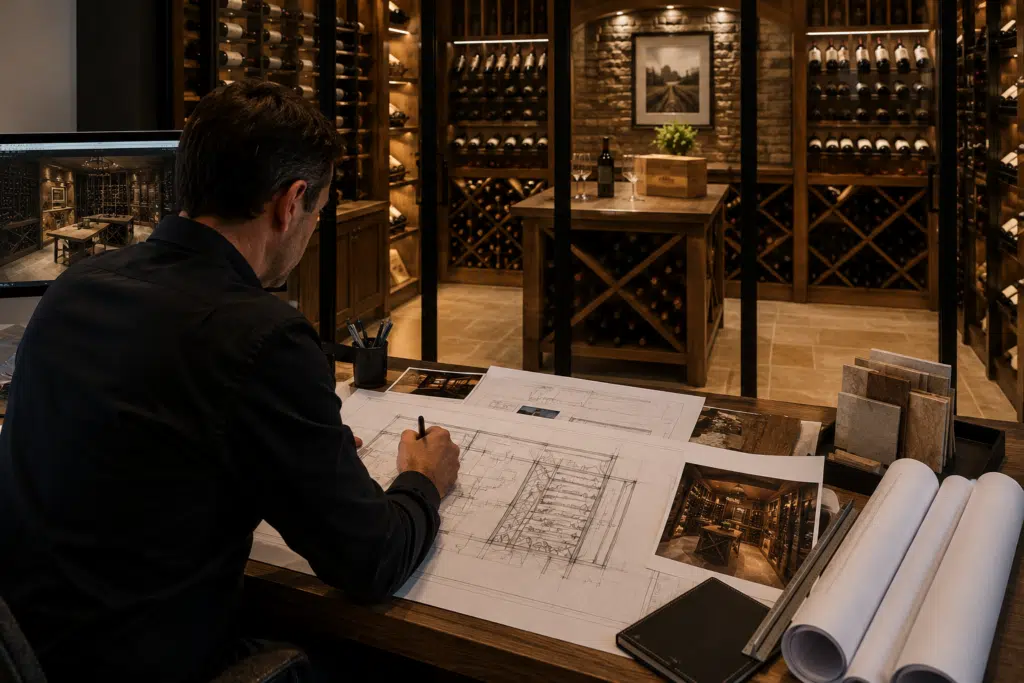
From initial concepts to final construction plans, experienced wine cellar designers transform ideas into stunning wine environments tailored to each client’s vision and collection.
Every successful custom wine cellar starts with thoughtful wine cellar design. Before selecting materials or storage systems, wine cellar designers evaluate the available space, collection size, architectural style, and long-term goals for the project.
A well-planned wine cellar design balances aesthetics with functionality. The layout must maximize storage capacity while ensuring easy access to bottles and creating an attractive presentation. Professional wine cellar designers also consider future collection growth, ensuring the cellar remains practical for years to come.
Whether integrated into a luxury residence or a commercial establishment, custom wine cellars should complement the surrounding architecture while providing an exceptional wine storage environment.
Choosing Between Traditional and Contemporary Wine Cellar Design
One of the most exciting aspects of building custom wine cellars is selecting a design style. The overall aesthetic influences everything from wine racks and flooring to doors and lighting.
Traditional Custom Wine Cellars
Traditional custom wine cellars are known for their timeless elegance and craftsmanship. These wine cellar designs often feature handcrafted wood wine racks, decorative trim, arched entryways, natural stone accents, and rich finishes.
Popular wood species include:
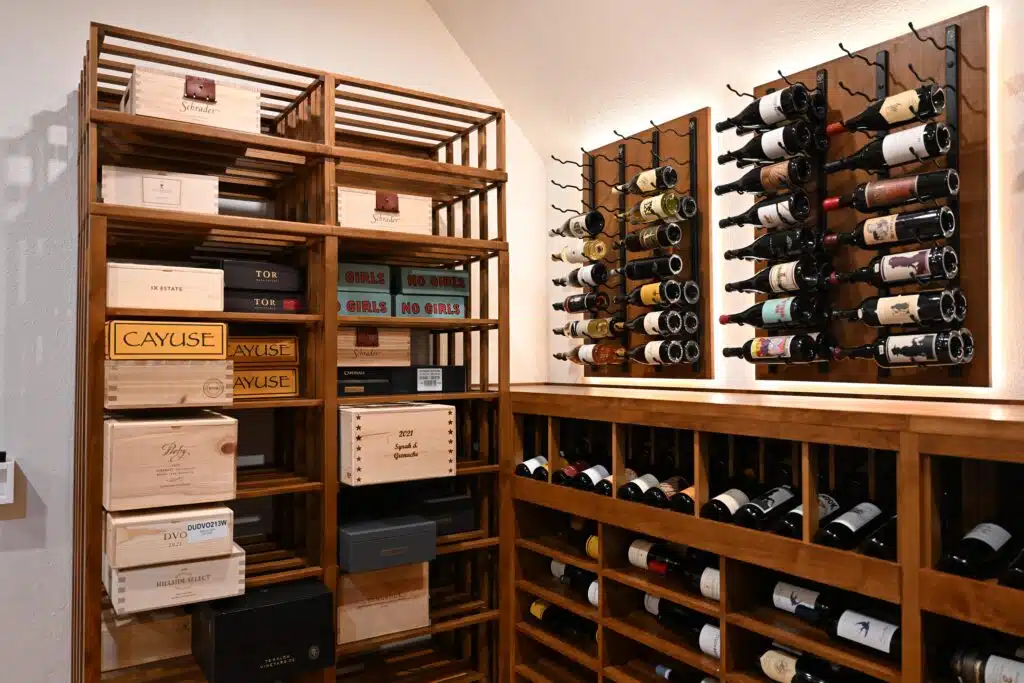
By integrating architectural elements, custom wine racks, and specialized storage solutions, wine cellar designers create spaces that are as visually impressive as they are functional.
* Mahogany
* Redwood
* White oak
* Walnut
Traditional custom wine cellars create a warm, inviting atmosphere that celebrates classic wine culture while showcasing valuable collections.
Contemporary Custom Wine Cellars
Modern custom wine cellars embrace clean lines, minimalist details, and innovative materials. Glass walls, metal wine racks, acrylic displays, and floating bottle systems are frequently incorporated into contemporary wine cellar design.
These custom wine cellars often become architectural centerpieces, allowing collections to be displayed as works of art while maintaining a sophisticated and luxurious appearance.
The Essential Components of Custom Wine Cellars
Every successful custom wine cellar is built around several key components that work together to create a functional and visually impressive space. Professional wine cellar designers carefully select and customize each element based on the client’s collection, storage goals, and design preferences.
Key components of custom wine cellars include:
- Wine Cellar Design – The overall layout and aesthetic direction that determines how the cellar will look, function, and integrate with the surrounding architecture.
- Wine Racks and Bottle Storage – Custom wine racks provide organized storage while showcasing the collection. Configurations may include individual bottle storage, label-forward displays, diamond bins, and bulk storage areas.
- Bottle Orientation – Bottles can be displayed horizontally, label-forward, or cork-forward depending on the desired visual presentation and storage strategy.
- Wine Cellar Doors – Custom doors serve as both a functional entrance and a design feature. Popular options include handcrafted wood doors, steel-framed glass doors, and fully frameless glass systems.
- Wine Cellar Cooling Systems – Specialized cooling systems maintain ideal storage conditions and are customized according to the cellar’s size, location, and capacity requirements.
- Wine Cellar Lighting – Carefully planned lighting enhances visibility and highlights architectural features, wine displays, and focal points throughout the cellar.
- Wine Cellar Flooring – Flooring materials such as natural stone, porcelain tile, hardwood, and decorative concrete contribute to the cellar’s overall style and luxury appeal.
- Display Features and Tasting Areas – Many custom wine cellars include feature walls, showcase displays, tasting tables, and decorative accents that elevate the experience and create a destination within the home or commercial space.
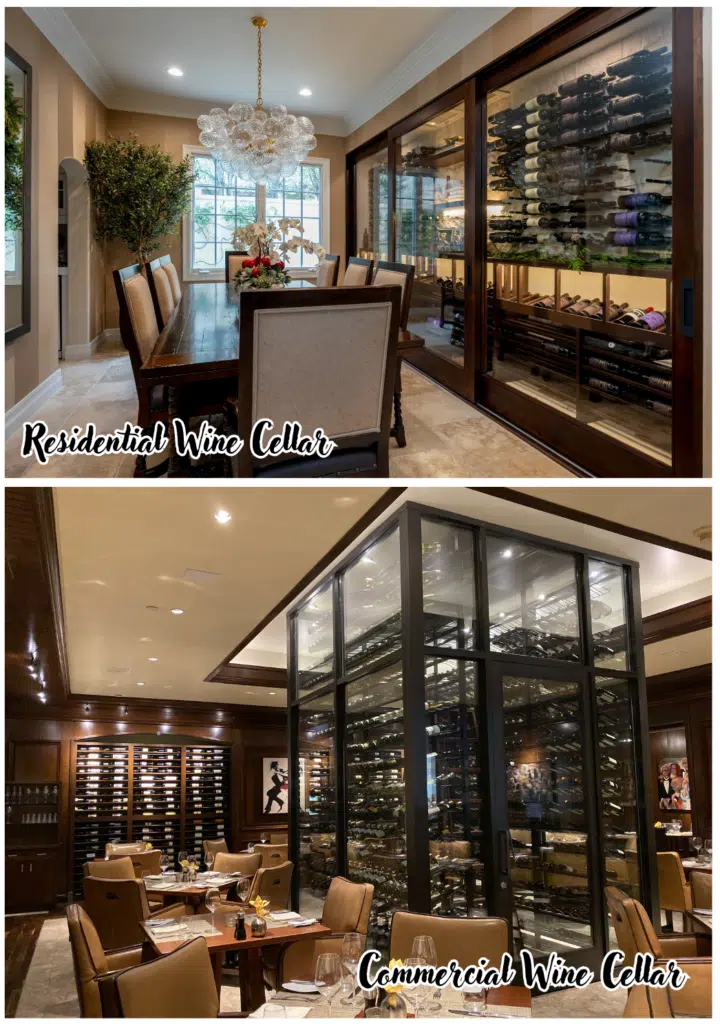
Custom wine cellars can be tailored to fit both residential and commercial environments, transforming ordinary spaces into extraordinary destinations.
Residential Custom Wine Cellars for Luxury Homes
Residential custom wine cellars are frequently designed as private showcases for collectors and enthusiasts. These spaces may include tasting areas, custom displays, and luxury finishes that reflect the homeowner’s personal style.
Professional wine cellar designers often integrate home wine cellars into basements, dining rooms, entertainment spaces, and dedicated wine rooms.
Commercial Custom Wine Cellars for Restaurants and Hospitality Venues
Commercial custom wine cellars are designed to enhance guest experiences while showcasing curated wine collections. Restaurants, hotels, wine bars, country clubs, and tasting rooms often use custom wine cellars as visual centerpieces that reinforce their brand and atmosphere.
In commercial settings, wine cellar design focuses on accessibility, presentation, and maximizing visual impact.
Why Professional Wine Cellar Designers Are Essential for Custom Wine Cellars
Creating exceptional wine cellars requires a combination of design expertise, technical knowledge, and craftsmanship.
Professional wine cellar designers understand how to integrate wine racks, cooling systems, doors, lighting, and flooring into a cohesive environment.
From initial planning through final installation, experienced wine cellar designers help ensure every detail contributes to a beautiful and functional result.
Their expertise allows homeowners, architects, interior designers, builders, and business owners to create custom wine cellars that meet both aesthetic and practical objectives.