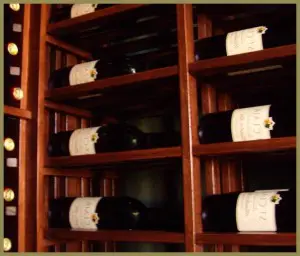
Nothing beats wood as material for wine racks. Wooden wine racks are sleek and sturdy, and they give off a romantic and classy vibe to custom wine cellars or to any living space where they are placed. There are many types of wood that can be used in wine rack construction, and some are better than others for the specific purpose you are looking for.
Among the wood species available, redwood is one of the most popular. Redwood is a tall evergreen tree that is found along the coasts of Oregon as well as in the northern and central part of California.
When it comes to “shelf life” or longevity, redwood wine racks don’t need stains or finishes to become durable. They have natural wood preservatives and are highly resistant to shock, decay, insects, and mildew. They’re so resilient that even if the rest of your house falls into decay, your redwood wine racks would still be standing!
Redwood is a type of wood that has the ability to remain sturdy in humid conditions in your wine cellar. This is because the tree itself thrives in both humid and cool weather, and so it will do just fine in this kind of temperature in your wine cellar.
Another advantage of redwood is its natural reddish color. Wine bottles look great amidst this type of reddish perch, giving your collection a sophisticated and high-end look. As the redwood wine rack ages, it can go from its light reddish color to a richer, darker red hue, creating elegance in your wine storage area.
Another reason why redwood is an ideal choice for wine racks is because it can be easily customized to fit your wine storage needs. Many redwood racks are stackable, allowing you to add more wine storage racks as your collection grows. So, whether you have a big or small custom wine room, redwood racks will suit your storage needs and requirements.
Are you looking for the right wine racking solution that suits your budget, space, and style? Contact Wine Cellar Specialists now at 866-646-7089. They are one of the trusted wine cellar builders in North America and Canada. Check out wine cellar projects they have completed in Chicago and Texas by clicking here.
Residential custom wine cellars are a place for you as an avid wine collector, to display your wine collection as well as to store and age your wines over time. As your wine collection grows your wine cellar is likely to have a mix of wines from different regions, wines that you will want to age over the longer term and some that will be intended to be consumed over a much shorter period.
As part of the management of your wine cellar there are many factors that can influence the preservation and aging of wine. In this article we are going to discuss the role different types of cork can play in this process.
Cork is used in a variety of products, the most common of which being the wine cork. It is considered the most suitable material for bottle stoppers on wine bottles because of its structure and component materials. The mechanical and physical properties that make cork the most preferred wine bottle closure include resiliency, low density, impermeability, flexibility, temperature and age stability, adherence and biodegradability.
Wine cork is essential to the graceful aging of wines in your wine cellar. It prevents oxygen from spoiling the wine in subsequent storage.
In order for cork to serve its purpose in wine storage, wines should be positioned in wine racks the right way. It is also essential to use the ideal wine cellar cooling units to ensure that the right humidity level in the wine cellar is maintained. This will prevent the cork from drying out and shrinking, thus reducing the possibility of oxidation, which causes wine spoilage.
There are different types of wine corks used by winemakers. The most well-known are the natural wine corks. These wine corks are derived from the best quality cork oak periderm or bark and are washed, carefully inspected for flaws, sterilized and printed.
Natural Wine Corks are Perfect for Long-Term Wine Storage in Your Home Wine Room
Natural wine corks enable wine to mature slowly because they are able to seal it for a considerable length of time. They are most suitable for bold red wines intended for long term storage.
Corks which are popular for their affordability are agglomerated wine corks. They are low cost because they are made from clean natural cork grains. These grains are formed into dense corks by mixing them with food grade glue. They assure good sealing for wines intended to be stored from 12-18 months.
Agglomerated Wine Corks are Ideal for Short-Term Wine Storage (12-18 months)
Another type of wine cork that fits ice wine bottles with a narrow neck is the ice wine natural cork. These corks are smaller than natural wine corks and are specifically sized to withstand high sugar content.
Pore-filled natural wine corks are called colmated wine corks. Their pores, or, lenticels, are preserved carefully with cork dust or cork grains. These grains are gathered and attached to the lenticels of colmated cork stoppers by using rubber glues (FDA authorized) or natural resin glues.
Colmated Wine Corks are Pore-filled Natural Wine Corks
Synthetic wine corks are considered to provide a good seal to wines since they don’t harbor bacteria, which is why some wineries prefer to use this type of cork. The advantage of synthetic wine corks is their availability to be manufactured in different colors, thus allowing flexibility in packaging.
Synthetic Wine Corks can be Manufactured in Different Colors
Double disc corks, also known as 1+1 corks or twin pop corks, are a combination of natural corks and agglomerated corks. The main advantage of this type of cork is the consistency in quality, density, price and function which make double disc corks widely used in bottling commercial wines.
Double Disc Wine Corks are a Combination of Natural Corks and Agglomerated Corks.
When selecting wine for long term preservation and aging of your wines in your custom wine cellar, take into account the type of cork that was used to seal the wine and when making this decision. Wines that have been sealed with low-end porous corks are likely to be less suitable for long term storage.
Designing custom wine cellars requires the help of a knowledgeable and experienced company. Look for a builder who understands the importance of an aesthetically pleasing and functional wine storage facility. At Wine Cellar Specialists, we want you to maximize your enjoyment of wine. We use our creativity to build stylish residential and commercial wine cellars in Texas, Chicago, and other areas in the United States.
Build a Stylish Custom Wine Cellar with the Help of a Creative Designer
The process of designing and building your own wine cellar can be complex and tedious, but with the help of Wine Cellar Specialists, the fulfillment of your dream wine cellar becomes easier and more enjoyable too. Let us discuss one by one the wine cellar projects we have done for clients who once only dreamed, but are now relishing the beauty and comfort of their own wine cellars.
We have created various types of wine cellars (traditional and modern) for wine stores, hotels, restaurants, and residences in different parts of Texas and Chicago as well as many other areas of the country. As a rule, we always try to make every project as unique as possible.
We begin the wine cellar design process by assigning our clients a specialist who will be guiding and working with you from the beginning to the completion of your wine cellar project, and even after that. A free consultation will be given to make the clients understand the whole concept of wine storage.
Anil Custom Home Wine Cellar in Chicago, Illinois
Custom Wine Cellar Naperville, Illinois
One of the most interesting wine cellar projects we did was the Anil Custom Wine Cellar Naperville, Illinois. The wine cellar is built in the entertainment and bar area, where space is a bit small.
With a room that measures 3 1/2 feet by 7 ¾ feet, it was challenging to create a custom wine cellar design that would complement existing décor of the home, fit the size of the client’s collection, and meet the technical requirements.
The Anil project was actually a closet conversion type. We carefully planned the setup and made sure that the small space provided would be effectively converted to an elegant wine storage area. With the challenge of having limited space, we were able to create a wine cellar that can house up to 497 wine bottles with the added lighting effect and wine racks made of premium redwood.
Stylish Features
We incorporated wood and glass components into the custom wine cellar design to create an eye-catching wine display and storage area for our client’s prized collection. These materials blend well with the countertop in their bar area.
Wooden Wine Rack Design
Anil Home Custom Wine Cellar Design Chicago Illinois
Wood is a popular material for building traditional and transitional custom wine cellars. In this particular wine room installation project in Chicago, Illinois, we incorporated individual wine storage racks on the back wall. We also created a square opening with a tabletop at the center and stemware racking that holds the glasses upside down. The tabletop provides additional storage space for a few bottles, wine accessories, and decorative accents.
There is a 4-column display row on both sides of the tabletop. At the bottom section, we added storage slots for the client’s wooden cases. At the top section of the left and right walls of this custom wine cellar, we installed waterfall wine racks that display the bottles in a cascading manner. We also included high reveal display rows and more single bottle wine racks below them.
Glass Door and Windows
Adding glass elements to the wine cellar design helped Wine Cellar Specialists to add a contemporary touch to the wine room. We installed a large glass wine cellar door to allow the family and their guests to have a clear view of the bottles from the bar and entertainment area.
Dave’s Custom Home Wine Cellar in Palos Heights, Illinois
Custom Wine Cellar Palos Heights, Illinois
Traditional Custom Home Wine Cellar Design Chicago
Another exciting project we had was Dave’s Custom Wine Cellar, which was constructed in the basement of his beautiful home in Palos Heights, Illinois.
The design we created for this large home wine cellar consisted of Premium Redwood and reclaimed wine barrel.
This custom wine cellar is constructed with Premium Redwood custom wine racks. The choice of wine rack designs add elegance to this wine room and they included true-radius curve racks, solid x bins, corner wine racks, and solid archway with led lighting and display rows. Wine Cellar Specialists further enhanced the look of the wine cellar by using the client’s own wine barrel, making it into a tabletop and a peninsula type of tasting table.
Reclaimed wine barrels can also be used for the wine racks, flooring, and art pieces. We installed a lighting system above the solid arch and display rows. The chandelier illuminates the wine cellar dramatically.
Griffith Residential Custom Wine Cellar Design in Dallas, Texas
Custom Wine Cellar Dallas Texas
A contemporary residential wine cellar design is the inspiration of the Griffith Dallas Texas Custom Wine Cellar project. When building contemporary wine rooms, we utilize metal and glass components to achieve a sleek and minimalist appeal.
The challenge in this project was the small closet space that we had to work with. Wine Cellar Specialists and the client decided to go for a contemporary style by using metal wine racks in black with a fully climate-controlled system. The metal wine racks are ideal space savers and they create a modern look of wine storage where the wine racking system stores wines from floor to ceiling.
Work with Wine Cellar Specialists to Have an Exquisite Residential Custom Wine cellar Design for Your Space
Wine Cellar Specialists created a lot of other unique custom wine cellars in Illinois, Texas, Washington, Atlanta, New Jersey, Michigan and more. Check them out here:
Wine racks are a wine collector’s best friend. Why? Because they house your most loved wines while they mature to perfection. With this in mind, whether you have a dedicated wine cellar or a more limited storage space, you know you want to get the best wine racks there are for your wine collection.
Wine is a type of beverage that’s very delicate and needs careful handling to preserve its quality for a long period of time. This makes wine racks a necessity for most, (if not all) wine collectors and those in the wine retail business.
Wooden wine racks are by far the most popular type of wine storage furniture. There are a lot of characteristics that make wooden wine racks ideal, not just for wine storage in dedicated custom wine cellars, but for proper wine aging as well anywhere in the home.
First is the customizability of wooden wine racks. You may start with a small wooden wine rack and as your collection grows in number, you add extra wine storage spaces such as wine bins, wine cubicles or an additional wine rack to match your existing wine rack. This allows you to spend only what you need at the moment, and invest later on additional storage spaces.
Curved Corner Wine Rack
Second, are the great design options. There are different types of wooden wine racks and the most in-demand are Pine Wine Racks, Mahogany Wine Racks, and Redwood Wine Racks. Here at Wine Cellar Specialists, we offer these three types of wood wine racks in different sizes, designs, shapes, and stain.
Each type of wood has its special features and benefits depending on the way it will be used. You do not want to use pine in a climate-controlled wine cellar as pine does not hold up as well in colder temperatures and high humidity as redwood or mahogany would.
Pine is mainly for storage at room temperatures in your home or in a commercial wine store.
Mahogany is best if you want us to add a stain to the racks. It has a smoother grain and takes stain well.
Redwood comes in two varieties. All Heart Redwood and Premium Redwood. The all heart redwood is from the heart, or center, of the redwood tree and is a rich reddish color throughout. Premium redwood is from the outer edge of the tree and is a light color with reddish streaks. If stain is added to the premium redwood, the result will be a more streaked stained look.
Third is cost-efficiency. Our pine, redwood, and mahogany wine racks are certified to be very cost-efficient because of their abundance and availability. They are distinct from each other in terms of wood properties, appearance, durability, resources, and cost. The best wooden wine racks do not necessarily have to be the most expensive ones.
The rule in choosing wine racks is to value quality over price. Cheaper wine racks do not mean that they have inferior qualities. Pine wine racks, for example, are cheaper compared to redwood and mahogany wine racks, but the manufacturing quality is still high. Your choice of wood should be based upon where the racks will ultimately rest and your preference at the final look.
When compelled to choose between wood wine racks and metal wine racks, always remember that the former is more versatile than the latter with the ability to add capacity and to create racks to fit most spaces.
Fourth is beauty. Wooden wine racks can be mixed and matched with the traditional look of your homes or wine store while projecting elegance to the room. They can be made to enhance your décor or to blend into the background in a regular room or be completely stunning in a purpose-built custom wine cellar. We can add stain colors to the racks and/or add lacquer to give them a beautiful furniture finish.
Whether your style is contemporary, traditional or antique, whether you have a small space under the stairs, in the corner of a room, or are even able to convert a whole room into a wine cellar, there’s a wooden wine rack ideal for you!
After deciding to build a wine cellar in your home (or have one built), you should look at the cellar’s overall efficiency first. How the wine cellar will look, and whether or not it will match how the rest of your house looks, should be a secondary concern.
Wine Cellars – Design & Efficiency
Of course, design isn’t an afterthought, but at the end of the day, the colors you use in your wine cellar, if you use colors, will not help you protect and store your wine collection.
Making sure your cellar is efficient means that your wine cooling unit must be the proper size for the room and emit the proper BTU’s to efficiently cool the room according to your specific conditions. (see other blog posts for information on cooling unit options)
Your cooling unit, more than likely, is going to look and sound very different from what you might be thinking. Depending upon which type of unit you can use in your situation, the look of your cooling unit could vary greatly.
Selecting the right Wine Cellar Cooling Units
Wine Cellar Climate-Control System
When you pick your wine cellar cooling unit, there is usually an external temperature display on it. The wine cellars’ cooling unit will help you monitor and regulate your wine cellar’s temperature. With some units this display can be placed in a spot inside or outside of your wine cellar.
On others, it is attached to the unit itself. This temperature display will show you how hot or cold your cellar is, and if the temperature fluctuates out of your preset range, it will “tell” the cooling unit to readjust the temperature inside the cellar. This should happen automatically.
Because your wine cellar, as one expert puts it, is “dark and damp,” always install moisture-resistant materials during the build-out of the project. These materials can be covered with a latex paint.
Types of Wine Cooling Systems for Texas Custom Wine Cellars
Depending on how you plan to use your wine cellar (is it for an investment, or do you plan to drink the bottles of wine you will store in your cellar), you will want to choose the best cooling option for you. Wine Cellar Specialists can help you decide the system to put in place in your home.
Through the Wall or Self-Contained Units
Self-Contained Cooling System
When it comes to practicality and ease of installation, the self-contained or through the wall cooling system is a top choice. Since this cooling option does not require a licensed HVAC/R technician, it will save you from the labor cost. The unit can be mounted between the wall studs.
An adjacent room, which must be at least twice the size of the cellar, is required. It serves as an exhaust of the heat generated by the refrigeration unit.
Ducted Self-Contained Systems
Ducted Self-Contained System
With a ducted self-contained unit, noise is reduced. The unit is installed 25 ducted feet away from your Texas custom wine cellar, resulting in a quieter operation compared to the self-contained system.
Another advantage of choosing this type of refrigeration system is that no cooling equipment is visible in your wine storage space. If you want a clean look in your cellar, go for the ducted self-contained system.
Split Refrigeration Systems
Split Refrigeration Systems
Just like the ducted-self-contained cooling system, the split system allows for quiet operation. The condenser and the evaporator are installed separately. The condenser, which is a noisy component of a refrigeration system, is installed outside your wine cellar, while the evaporator is placed in the room.
Incorporating a wine cellar into your house is not overly complicated. Doing it right means taking your time, focusing on efficiency, and making sure you have the right people helping you make the right decisions that will best protect your investment and give you your desired result.
You Can Have a Functional and Appealing Home Wine Cellar with the Help of an Expert
If you have asked yourself if you need a wine cellar in your home, then you already have your answer. Just asking the question means that you have gone beyond the normal wine drinker who may have a few bottles on hand for the occasional dinner party or night in.
Because a home wine cellar (and, let’s face it, wine) is an investment, you should be thinking about the type of custom wine cellar you want in your home, not just whether you want one.
Your wine cellar should grow with you and your collection, and unless you’re not planning to sell your home, then your wine room should be built in such a way that it will appeal to someone other than you.
A Residential Custom Wine Cellar may be a nice incentive for someone buying a home, so make sure it has broad appeal.
One benefit to having a wine cellar of your own, is it allows you to buy wine in bulk. Wine by the case is less expensive than one or two bottles.
Wine by the case is also less expensive when it is young, and if you know wine (and if you want a wine cellar in your home, then you must know wine), these young wines, once mature, will taste better and result in a larger return on your investment. It also allows you to purchase larger quantities of a wine that you discover and particularly enjoy, to assure that you will be able to have a stock of it for the future.
Home Wine Room Chicago
How will you use your wine cellar (in other words, what prompted you to ask the question in the first place?)? Will you use it strictly for storage, will you also use it as a tasting room, or is it to be a showplace? How you plan to use it is important to know, because that can affect the way you construct your room, or at least the size of it and how the racking is designed.
If your wine cellar will be used just for storage, then think about how many bottles of wine you currently have as well as how many bottles of wine you plan to accumulate.
Your cellar should be able to grow with you and your collection. Make sure you can maximize the bottle storage for the space you have. If you want a wine room and think that you just don’t have the space, look around at unused areas. Do you have a stairwell? And, if you do, can you build out underneath it? Unused closets? Maybe you use it to build out a cellar.
Residential Wine Cellars Designed and Installed by Wine Cellar Specialists in Texas and Chicago
This contemporary home wine cellar is located under the curved staircase. The racking is made of metal and wood, resulting in a unique wine storage space.
Installed with attractive mahogany wine racks, this residential wine cellar aesthetically appealing and offers great features. A rolling ladder was added for easy access to bottles stored beyond normal reach.
This modern design was created by Wine Cellar Specialists for their client in Dallas, Texas. The metal wine racks from Vintage View are mounted on the wall, creating a sophisticated custom wine display.
Located in the basement, this home wine cellar displays the owner’s wines in unfinished redwood wine racks. A wine barrel table was added to add a distinct look to the wine room.
An Efficient Wine Refrigeration System is Essential for Proper Home Wine Storage
Wine Refrigeration Systems
Where you build the room will be dictated by the ability to install your climate control system. Controlling the temperature is critical to ensuring your collection is protected and continues to grow in value.
When the ideal temperature (55-65 degrees Fahrenheit) is maintained in a cellar, wine will not be oxidized. Oxidation causes off flavors and discoloration in wine.
Additionally, an efficient wine cooling system also regulates humidity levels need in preserving wine’s quality. Humidity levels higher or lower than the normal range (60-70%) will damage the corks and wine labels.
If you have considered building a wine cellar in your home, then don’t ask yourself if you should build one; ask, instead, how big you want it to be and what will go inside of it.
Wine racks are the framework of your custom wine cellar.
Whether you are building your wine cellar for storage or display, you must take into consideration what kind of racking system you want. Wine racks make your wine cellar collection organized. A well-organized collection of wine is not only pleasing to the eyes but it’s also practical for the owner. You won’t have a hard time trying to find any particular wine you want in your collection.
What wine rack should you use for your custom wine cellar?
Revamp your custom wine cellar with a wooden wine rack.
Wine racking systems come in all shapes and sizes. There are two major types of wine racks. First, there’s the wooden rack. Then, there’s the metallic racking system. What material to use depends on your preference, how large your wine collection, and the reason you are building a wine cellar.
Wooden racksare good insulators. These racks lessen the heat going through your wine bottles. This feature is favorable since heat could trigger premature spoilage of your wines. And, wooden racks give your wine cellar a classy and traditional look.
Metallic racks, on the other hand, give your custom wine cellar a modern and contemporary look. These racks are known for their durability and strength. Given they are installed in an optimum wine cellar condition, metallic racks are easy to maintain.
Whether you’ll be using your custom wine cellar for storage or display, making a well-informed decision onwhat wine rackto use could make the most of the functionality for each variant.
We couldn’t be more thrilled! Check out some of our awards and their corresponding projects:
We had a start to finish excellent experience with Wine Cellar Specialists. After talking to a couple of carpenters about converting a closet into a small wine cellar I wasn't very confident they knew what they were doing so I started looking for expertise and found Wine Cellar Specialists.
I had my consultation with Brad Cupp and he was very passionate about their business and options
Steve Gee
We had a fantastic experience with Brad Cupp and Wine Cellar Specialists-Dallas. They converted an under-the-stair closet into a fabulous refrigerator cellar that holds about 400 bottles of wine. The attention to detail and craftsmanship was well worth the time it took to complete this job. You don't always get what you pay for, but in this case, I truly believe that we did. Thank you for an exceptional job.
Timothy Martin
Wine Cellar Specialists provided us a custom black iron/glass door as the main feature to our new wine cellar. The quality is excellent and the look is just what I asked for. Thanks so much.
Aiden K
I purchased a wine cellar door from Wine Cellar Specialist and had the pleasure of working with Alex. She helped me design a custom door that was absolutely beautiful. This was a very big project and she was so kind and professional and held my hand throughout the whole process. It was an amazing experience. I researched other companies before choosing Wine Cellar Specialists and it was their customer service and attention to detail that made my decision so easy. I highly recommend them for any wine cellar project.
G
Gary Anderson
Great experience with the process and progress completion - Brad Cupp dons well in coordinating and communication. All the sub contractors were good to work with and were attentive to cleaning after work. Plus the important end result was a wonderful wine cellar that can accommodate over 700 bottles of wine in relatively small area. Highly recommend!


 Nothing beats wood as material for wine racks. Wooden wine racks are sleek and sturdy, and they give off a romantic and classy vibe to custom wine cellars or to any living space where they are placed. There are many types of wood that can be used in wine rack construction, and some are better than others for the specific purpose you are looking for.
 Another reason why redwood is an ideal choice for wine racks is because it can be easily customized to fit your wine storage needs. Many redwood racks are stackable, allowing you to add more wine storage racks as your collection grows. So, whether you have a big or small custom wine room, redwood racks will suit your storage needs and requirements.