
Contact

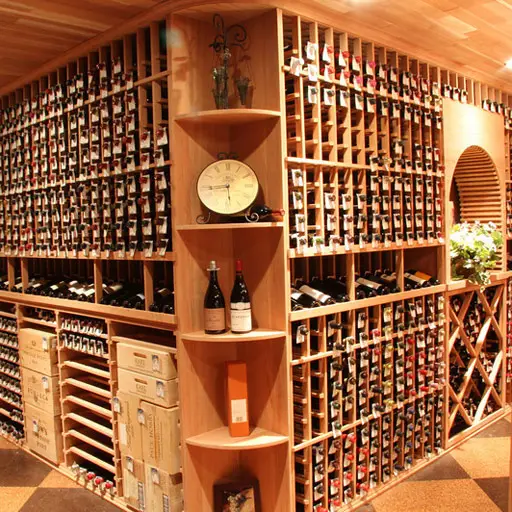
Besides grapes, there are many other fruits that can be made into surprisingly delicious wines. Wine collectors, often with whole room residential custom wine cellars dedicated to their collections are finding these can make a great addition to the diversity of their collections.

 

Non-Grape-Based Wines

Non-Grape-Based Wines

Just about every country in the world has at least one winery that produces alternative fruit wines. There are locations all around the world, such as Massachusetts in the USA, where grapes can’t grow due to their climate.

Crops typically used in making fruit wines include apples, plums, raspberries, cherries, peaches, blackberries, pineapples, pears and even watermelons. Should you attempt to make these types of wines yourself it’s important to make sure you pick overripe fruits but avoid those with too many bruises.

Fruit wines can be made from any plant matter capable of being fermented. In order to achieve the desired taste and aroma, some of these products need honey or sugar to be added to them. Fruit wine making involves many of the same techniques used in making grape wines. When made commercially there is a machine that gets rid of the stalks and washes off the bugs etc. and in some wineries juice is separated from the skins through a crusher.

The fruit juice is then put into a fermenting container. Yeast can be found naturally in some fruits (such as grapes) and can also be produced through laboratory processes on other fruits. Yeast consumes the available sugar in juice and converts that sugar into 50% alcohol. The process called Chaptalization helps increase the alcohol content of the finished wine.

The fermentation process then begins. Most winemakers leave the pulp in the juice for the first 7 days to add character and deepen the wine’s color.

In the process of making fruit wines, there are necessary adjustments that must be made to the acidity of the fruit juice, the amount of fruit used per gallon, and the amount of available sugar. Sometimes, tannin or acid must be added to balance the taste, thus producing great tasting fruit wines at the standard you expect for your wine cellar.

The wine-making hydrometer is a device that not only helps determine the amount of sugar in your juice, but the amount of sugar needed to provide the sweetness you want in your wine and the amount of alcohol that sugar can produce as well.

Typically non-grape-based wines cannot be stored for a very long time. Some need to be consumed within 12 months of their production because they lack the natural yeast present in grapes. This potentially limited aging and life span should be taken into account when racking in your wine room. In order to promote further fermentation, phosphorus, nitrogen or potassium must be added.

An example of fruit wine is plum wine, which is famous in Korea and Japan. Other popular fruit wines include pineapple wine, cherry wine, banana wine, raspberry wine and apple wine.

Fruit wines are perfect for any occasion, an excellent addition to your wine rooms‘ selection and can provide unique flavors and aromas. You can even make fruit wines at home by following simple wine making processes.

Wine collecting is an interest that is slowly gaining popularity among wine consumers of different social classes. There are two reasons why most people venture into acquiring their own vintages: one is for profit as they can eventually sell their collection down the line, and second is passion for great tasting wines wherein having their own collection allows them to personally enjoy a nice bottle or share it with friends at any given time.

Custom Wine Cellar - Perfect for Storage of your Wine Collection


Whatever your purpose is, Wine Cellar SPecialists is here to help you along the way. Here are some tips we’ve gathered for you:

Storing a few bottles is a great way to kick off your collection as you can gradually increase the number of your vintages in the long run. Proper wine storage is of great importance to your wine collection as this can spell the difference between preserving the quality of your vintages and spoilage.

When deciding where to store your wine collection, you should take into account the three factors that can greatly influence the condition of your wines: light, temperature, and humidity.

Bright lights can interfere with the chemical compounds in wines which can alter its quality and taste; hence it is essential to store them in places where they are left untouched by the damaging effects of rays of light.

Temperature and humidity levels should be maintained at 50-55°F and within 60-75% respectively. In addition, keeping your wine in areas free of vibratory motion is a must since the slightest motion can have adverse effects on your wine. Storing your wine collection in an ideal environment ensures that your wine retains its excellent quality and at the same time keeps its label in pristine condition.

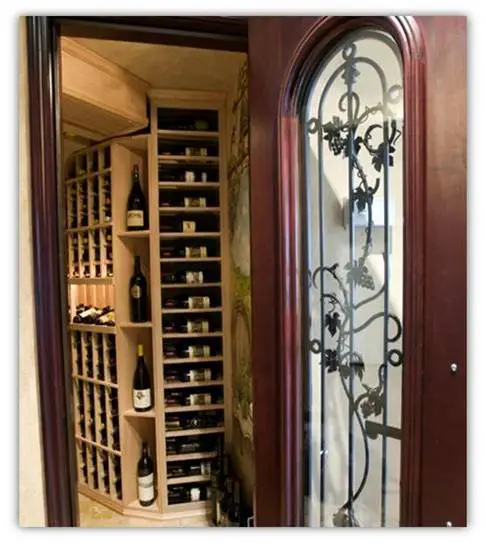
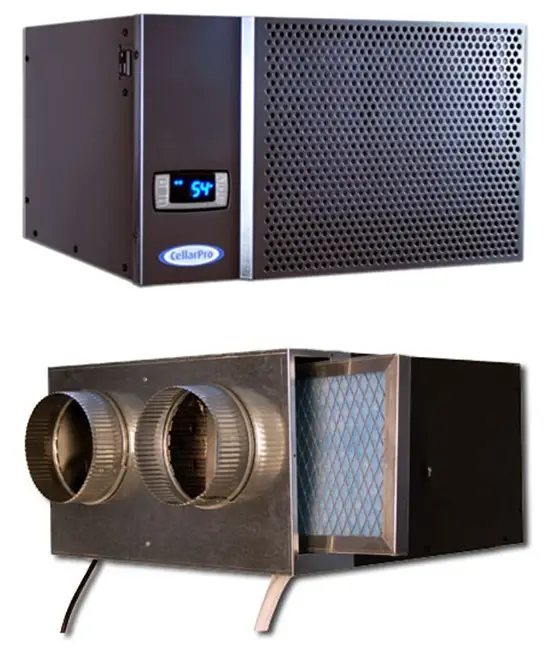
There are several options available for storing your wine collection. Converting your basement or garage into a wine cellar is one of them, and by installing a wine cellar cooling system in the room guarantees that the right temperature and humidity levels are maintained at all times.

If building a wine cellar in your home is not within your budget, then you can invest in a good quality wine cooler. Wine coolers have ample space to store quite a few wine bottles and it can mimic the ideal conditions required for proper wine storage.

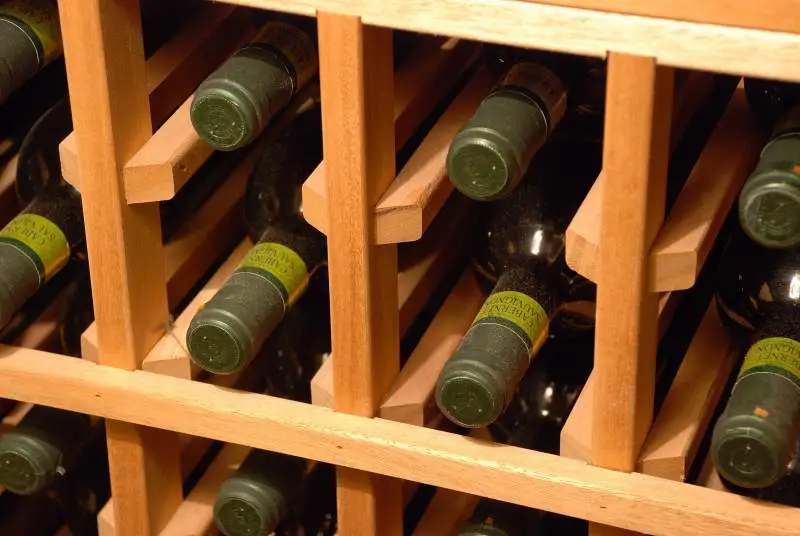
Purchasing wine racks is another option. Wine racks are constructed out of wood, metal, or steel. They also come in a myriad of impressive designs that can certainly complement any kitchen or room in your household.


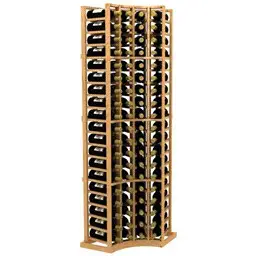
Curved Corner Standard Wine Rack

Curved Corner Standard Wine Rack - Elegant Wine Storage Furniture for your Wines


If you want a professional to look after your wine collection, then professional refrigeration is the best choice for you. A wine storage locker can be leased for your convenience and a wine expert is in charge of maintaining your wine bottles, for a price, of course.

The safety of your wine collection should also be taken into account. Keep in mind that the value of your wine increases as it ages, therefore it is imperative to take the necessary precautions for the safekeeping of your vintages. Having your  bottles of wine insured is one way of doing that.

Should you decide to expand your wine collection, there are wine retailers and vineyards that often grant buyers a reduced price when acquiring wines in bulk. However, it is recommended that you try one bottle first or, better yet, check out wine reviews online before you make a big purchase.

Furthermore, visiting different vineyards and signing up for their mailing list will avail you of discounts in the future.

If you have asked yourself if you need a wine cellar in your home, then you already have your answer. Just asking the question means that you have gone beyond the normal wine drinker who may have a few bottles on hand for the occasional dinner party or night in.

Because a home wine cellar (and, let’s face it, wine) is an investment, you should be thinking about the type of custom wine cellar you want in your home, not just whether you want one. Your wine cellar should grow with you and your collection, and unless you’re not planning to sell your home, then your wine room should be built in such a way that it will appeal to someone other than you.

A Residential Custom Wine Cellar may be a nice incentive for someone buying a home, so make sure it has broad appeal.

One benefit to having a wine cellar of your own, is it allows you to buy wine in bulk. Wine by the case is less expensive than one or two bottles. Wine by the case is also less expensive when it is young, and if you know wine (and if you want a wine cellar in your home, then you must know wine), these young wines, once mature, will taste better and result in a larger return on your investment. It also allows you to purchase larger quantities of a wine that you discover and particularly enjoy, to assure that you will be able to have a stock of it for the future.

Home Wine Room Chicago

How will you use your wine cellar (in other words, what prompted you to ask the question in the first place?)? Will you use it strictly for storage, will you also use it as a tasting room, or is it to be a showplace? How you plan to use it is important to know, because that can affect the way you construct your room, or at least the size of it and how the racking is designed.

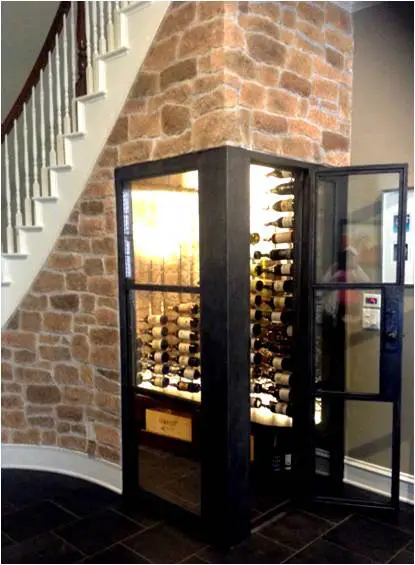
If your wine cellar will be used just for storage, then think about how many bottles of wine you currently have as well as how many bottles of wine you plan to accumulate. Your cellar should be able to grow with you and your collection. Make sure you can maximize the bottle storage for the space you have. If you want a wine room and think that you just don’t have the space, look around at unused areas. Do you have a stairwell? And, if you do, can you build out underneath it? Unused closets? Maybe you use it to build out a cellar.

Where you build the room will be dictated by the ability to install your climate control system. Controlling the temperature is critical to ensuring your collection is protected and continues to grow in value.

If you have considered building a wine cellar in your home, then don’t ask yourself if you should build one; ask, instead, how big you want it to be and what will go inside of it.